Leveling a desk on uneven floors requires adjustable feet, desk pads, or shims placed under the shorter legs to create balance. You can measure the height difference using a level tool and adjust each leg until your desk sits perfectly stable.
The most effective methods include desk leg extenders, furniture pads, and wooden shims, with adjustable feet being the best long-term solution for most home office setups.
Why Your Desk Wobbles on Uneven Floors
Most floors aren’t perfectly level. Your house settles over time. Wood expands and contracts. Even new construction has slight variations.
A wobbly desk makes typing frustrating. Your coffee cup slides. Your monitor shakes when you type. Sound familiar?
I found that even a quarter-inch difference between floor areas can make your desk unusable. The good news? You can fix this without calling a contractor.
Tools You Need Before Starting
Gather these items before you begin:
- Spirit level (2-foot length works best)
- Measuring tape
- Screwdriver set
- Adjustable wrench
- Pencil for marking
Optional Tools for Advanced Solutions
- Drill with bits
- Wood glue
- Sandpaper
- Safety glasses
Step 1: Measure the Problem
Place your level on the desktop. Check front to back first. Then check left to right.
The bubble shows you which direction slopes down. Mark the high and low corners with your pencil.
Finding the Height Difference
Measure from the floor to the bottom of each desk leg. Write down these numbers. The difference tells you how much adjustment you need.
Most desk problems involve differences between half an inch to two inches. Anything more than three inches needs a different approach.
Method 1: Adjustable Desk Feet
This works best for desks with removable legs. Many modern desks come with adjustable feet already installed.
Installing New Adjustable Feet
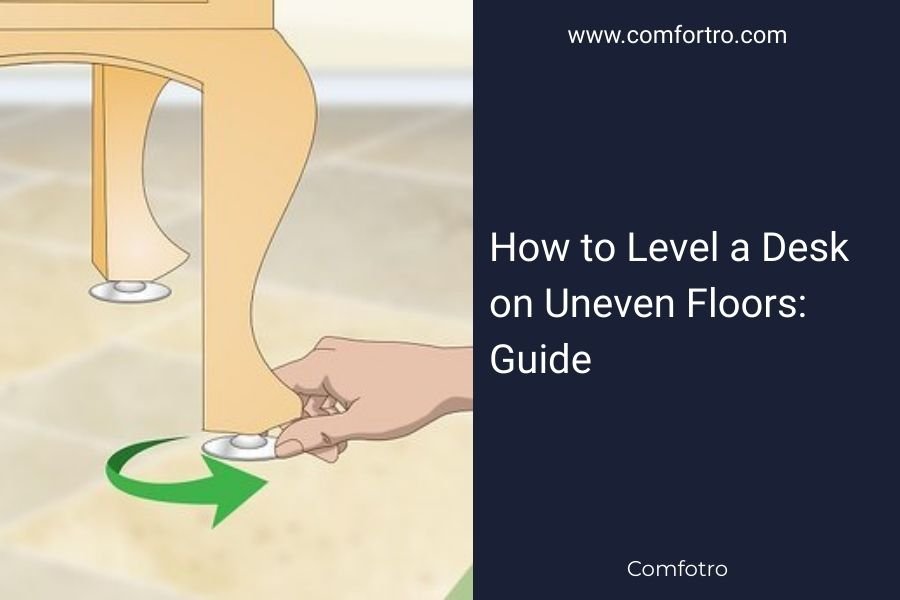
Remove the existing feet by unscrewing them. Most turn counterclockwise. Replace them with adjustable glides or feet.
Start with all feet at the same height. Then extend the feet under the short legs until your desk levels out.
Types of Adjustable Feet
- Threaded glides (most common)
- Spring-loaded feet
- Rubber-tipped adjusters
- Heavy-duty leveling feet
Fine-Tuning the Adjustment
Make small turns. A quarter turn can change height by an eighth of an inch. Test with your level after each adjustment.
This method costs between $10-30 and works for most situations. I found that quality adjustable feet last for years without loosening.
Method 2: Furniture Pads and Shims
Can’t modify your desk legs? No problem. Furniture pads stack under the short legs to level things out.
Choosing the Right Pads
Rubber pads work for small adjustments. Cork pads handle moisture better. Felt pads slide easily but compress over time.
Stack multiple thin pads rather than using one thick pad. This prevents tilting and gives you better control.
DIY Shim Solutions
Wooden shims from the hardware store cost under $5. Cut them to fit under your desk legs. Sand the edges smooth to prevent scratching your floor.
Cardboard works temporarily. But it compresses and breaks down. Only use cardboard for testing heights before buying permanent solutions.
Method 3: Desk Leg Extenders
Leg extenders slip over or into existing desk legs. They work great when you need to raise one or two legs significantly.
Installation Process
Measure your desk leg diameter first. Most extenders come in standard sizes: 1 inch, 1.25 inch, and 1.5 inch.
Slide the extender over the leg. Some require screws for security. Others use friction fits or clamps.
When to Use Extenders
- Height differences over one inch
- Permanent installation preferred
- Desk has round or square legs
- You want an invisible solution
Method 4: Strategic Furniture Placement
Sometimes moving your desk solves the problem. Most rooms have level spots and sloped areas.
Finding the Sweet Spot
Use your level to check different areas of the room. Corners often stay more level than center areas.
Avoid spots near exterior walls in older homes. These areas tend to settle more over time.
Quick Fixes for Temporary Solutions
Need something that works right now? Here are fast options while you plan a permanent fix.
Common Household Items
- Folded paper (test heights quickly)
- Magazines (wider base than paper)
- Coasters (good for small adjustments)
- Rubber jar grippers (prevent sliding)
These work for a day or two. But they shift around and look unprofessional. Plan to upgrade soon.
Preventing Future Problems
Check your desk level every few months. Houses continue settling. Adjustable feet can loosen over time.
Environmental Factors
Humidity changes affect wood floors and furniture. Heating systems cause expansion and contraction.
Keep adjustment tools handy. A quick turn here and there keeps your desk stable year-round.
When to Call a Professional
Some situations need expert help. Floor slopes over 3 inches across your desk area signal structural issues.
Visible cracks in walls or floors mean foundation problems. These affect more than just your desk stability.
Signs You Need Professional Assessment
- Doors that won’t close properly
- Windows that stick
- New cracks in walls or ceiling
- Floor bounces when you walk
Cost Comparison of Solutions
| Method | Cost Range | Difficulty | Durability |
|---|---|---|---|
| Furniture Pads | $3-10 | Easy | Good |
| Adjustable Feet | $10-30 | Medium | Excellent |
| Leg Extenders | $15-40 | Medium | Excellent |
| Professional Help | $200+ | None | Permanent |
Conclusion
Leveling your desk on uneven floors doesn’t require major renovation. Start with simple solutions like furniture pads or adjustable feet. Most problems fix easily with basic tools and a few dollars.
Choose the method that matches your skill level and budget. Adjustable feet offer the best long-term value. Furniture pads work great for renters or temporary setups.
Check your work with a level and test the stability before trusting your expensive equipment to the setup. A stable desk makes your entire home office more productive and comfortable.
What’s the fastest way to level a desk temporarily?
Stack folded paper or magazines under the short legs while you measure for a permanent solution. This works immediately but needs replacement within days as paper compresses and shifts.
Can I level a desk without any tools?
Yes, using furniture pads or rubber coasters requires no tools. Just stack them under the short legs until the desk stops wobbling. You’ll get better results with a level, but eyeballing it works for basic stability.
How often should I check if my desk is still level?
Check every 3-6 months, especially after seasonal changes. Humidity, temperature, and house settling can affect your desk’s stability over time. Quick checks prevent problems before they get annoying.
What if my floor slopes more than 3 inches across my desk area?
This suggests structural issues that furniture adjustments can’t fix safely. Contact a foundation specialist or structural engineer. Extreme slopes can indicate serious foundation problems that affect your entire home.
Do different desk materials need different leveling approaches?
Wood desks often have removable legs perfect for adjustable feet. Metal desks usually need leg extenders or pads. Glass tops require extra stability, so avoid temporary shims that might shift and cause cracking.