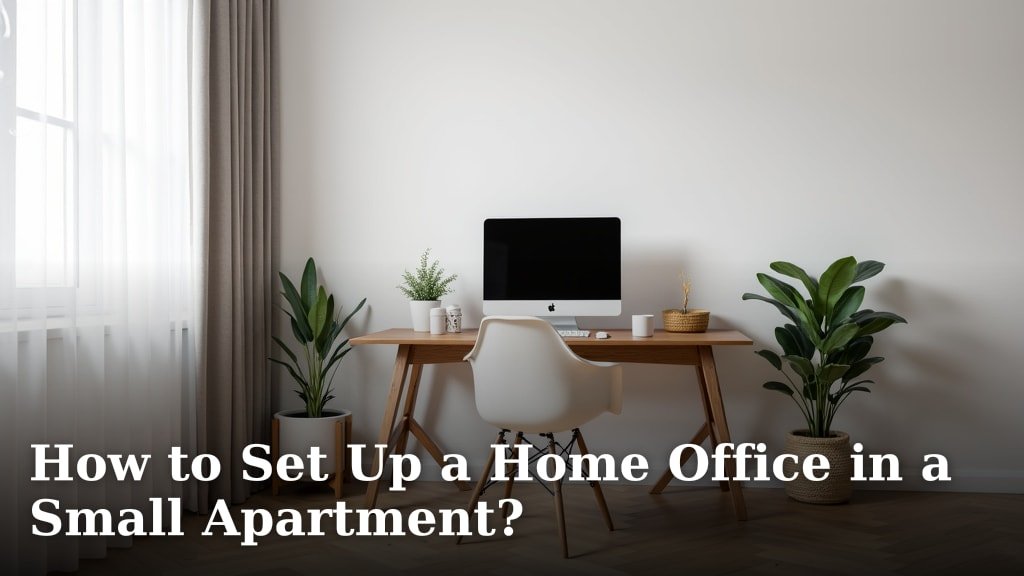
To set up a home office in a small apartment, you should maximize vertical space, use multi-functional furniture, and carefully choose your location to create a dedicated workspace. The goal is to make your small area work harder for you, turning tight spots into productive zones.
Working from home in a tiny footprint can feel tricky. You might wonder where to put everything without your apartment feeling like a cluttered office. We found that even the smallest spaces can become efficient and comfortable work areas with some smart planning and organization.
- Choose a spot wisely.
- Go vertical with storage.
- Pick furniture that does double duty.
- Declutter regularly.
- Personalize your space.
Let’s walk through exactly how to turn your small apartment into a functional and inspiring home office, step by step.
Crafting Your Workspace in a Compact Living Area
Setting up a functional home office in a small apartment is all about smart choices and making every inch count. You don’t need a lot of space, just a clever approach to design.
Strategic Location Scouting for Your Office Nook
The first step is picking the right spot. This decision impacts everything else, from your productivity to your mental well-being. Think about where you naturally feel most focused.
Evaluating Available Spaces
Look around your apartment with fresh eyes. Is there an unused corner in your living room? Maybe a section of your bedroom that gets good light? Even a closet can become a cozy office nook (Psychology Today discusses the benefits of a dedicated workspace, no matter how small). We found that people often overlook areas they consider too small.
- Natural light: Aim for a spot near a window if possible. It boosts mood and reduces eye strain.
- Noise levels: Consider how much noise the area gets. A quiet spot is usually best for concentration.
- Foot traffic: Avoid high-traffic zones if you can. Interruptions break your flow.
- Power outlets: Make sure there are enough outlets for your electronics. You don’t want a tangle of extension cords.
Non-Traditional Work Zones
Don’t limit yourself to obvious spots. We’ve seen people transform incredible areas. Have you considered a hallway? A built-in shelf that extends into a desk? What about a large, sturdy windowsill? Creativity is key when space is tight.
Even a simple folding screen can help define a “room within a room.” This mental boundary is surprisingly effective for focus (Journal of Environmental Psychology). It tells your brain, “This is where work happens.”
Optimizing Furniture for Tiny Footprints
Your furniture choices are critical. Every piece should serve a purpose, and ideally, more than one.
Multi-Functional Furniture Wonders
Think beyond a traditional desk and chair. Can your dining table double as a workspace? What about a console table behind your sofa? We found that furniture designed for small spaces often features hidden storage or converts easily.
- Murphy desks: These fold up against the wall, disappearing when not in use. They’re a game-changer for really small areas.
- Ottomans with storage: Perfect for keeping files or supplies out of sight. They also provide extra seating.
- Sofa tables: Many are designed to be tall enough to work at while sitting on your couch.
- Bookshelves with integrated desks: These combine storage and a work surface in one sleek unit.
When selecting pieces, always measure your space first. A little measuring tape can save you a lot of headache.
Ergonomics in a Compact Setup
Just because your space is small doesn’t mean you should compromise on comfort or health. Your chair is especially important. Look for an ergonomic chair that fits your body, even if it’s a compact model.
You can also use simple accessories to improve your posture. A laptop stand raises your screen to eye level. An external keyboard and mouse prevent awkward wrist positions. We found that even small adjustments make a big difference over time (Occupational Safety and Health Administration).
Vertical Storage Solutions: Your Space-Saving Superpower
When you can’t build out, build up! Vertical storage is your best friend in a small apartment. It keeps clutter off your valuable desk surface and floors.
Shelving and Wall-Mounted Organizers
Floating shelves are fantastic. They add storage without taking up floor space. You can stack books, display decorative items, or store office supplies in attractive bins. Consider installing shelves above your desk or even above doorways.
Wall-mounted organizers, like pegboards or magnetic strips, are also incredibly useful. They keep small items like pens, scissors, or notepads visible and accessible. We often see these used effectively in kitchens, but they are just as good in an office.
Smart Use of Cabinets and Drawers
If you have existing cabinets or drawers, optimize them. Use drawer dividers to keep things neat. Clear containers help you see what’s inside quickly. Remember, an organized drawer means less time searching and more time working.
Don’t forget the inside of cabinet doors! You can add small hooks or shallow shelves here for extra storage. It’s surprising how much space you can find in these often-overlooked spots.
Decluttering and Organization for Peak Productivity
A cluttered space often leads to a cluttered mind. Regular decluttering is essential, especially in a small home office.
The “One In, One Out” Rule
This simple rule can be a game-changer. For every new item you bring into your office (a new notebook, a new gadget), try to remove one old item. It prevents things from accumulating without you noticing. This helps maintain the delicate balance of a small space.
Digital Decluttering
Don’t just declutter your physical space. Your digital space needs attention too. Organize your computer files, clean up your desktop, and delete unnecessary emails. A clear digital workspace contributes to a clear physical one (Harvard Business Review has discussed the impact of digital clutter on focus).
Personalizing Your Home Office Nook
Even a small workspace should feel like yours. Personal touches make it more inviting and inspiring.
Adding Greenery and Art
A small plant can add life and freshness to your desk. Studies show that plants can improve air quality and reduce stress (NASA research on plants and air purification). A small piece of art that inspires you can also make a big difference. Choose items that bring you joy, but don’t overcrowd your space.
Lighting Your Way to Focus
Good lighting is crucial. If natural light is limited, invest in a good desk lamp. Choose one with adjustable brightness or a flexible arm so you can direct the light where you need it most. Proper lighting reduces eye strain and helps maintain focus. Warm light can create a cozy atmosphere, while cooler light can enhance alertness.
Your Small Home Office Setup Checklist
Ready to get started? Use this quick checklist to ensure you’ve covered all the essentials for your efficient new workspace:
- Identify a dedicated, quiet spot in your apartment.
- Measure your chosen area carefully before buying furniture.
- Select multi-functional furniture that saves space.
- Integrate vertical storage like shelves or wall organizers.
- Invest in an ergonomic chair or accessories for comfort.
- Declutter regularly, both physically and digitally.
- Add a touch of greenery or inspiring art.
- Ensure you have adequate task lighting.
Creating a home office in a small apartment isn’t about magic; it’s about thoughtful design and smart choices. You absolutely can have a productive and inspiring workspace, no matter the size of your home.
Conclusion
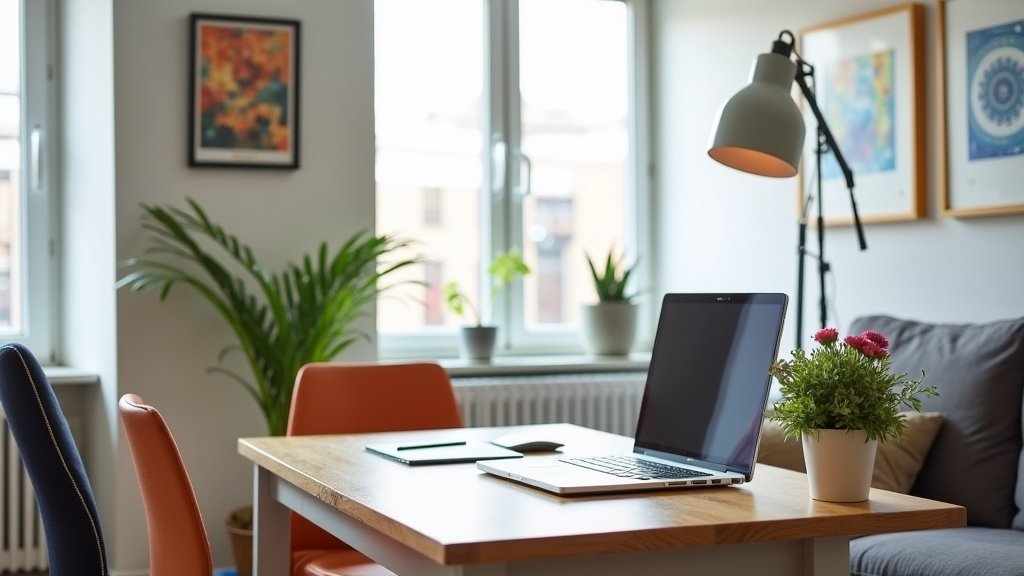
You now have a clear roadmap to create a productive home office, even in a small apartment. By making smart choices about location, furniture, and storage, you can transform any tight space into a dedicated work zone. Remember, it’s about thoughtful design, not square footage.
We’ve found that a well-organized, personalized space boosts both focus and well-being. Start by identifying your ideal spot, then prioritize multi-functional items and vertical storage. Take action today to set up your dream home office; your productivity and peace of mind will thank you.
Frequently Asked Questions
How can I make my small home office feel less cramped?
To make your office feel more open, use light colors on walls and furniture. Incorporate mirrors to create the illusion of more space. Keep surfaces clear and utilize vertical storage to minimize clutter.
What’s the best way to hide office clutter in a small apartment?
Closed storage is your best friend. Use storage ottomans, cabinets with doors, or decorative bins on shelves. Digital decluttering also helps reduce the physical items you need to store.
Can I set up a home office in a studio apartment?
Absolutely! In a studio, focus on defining your workspace with a room divider, a tall bookshelf, or even just a rug. Murphy desks or console tables that fold away are excellent choices for these spaces.
What are some budget-friendly home office ideas for small spaces?
Look for second-hand furniture that you can repurpose or paint. Utilize floating shelves for storage instead of bulky bookcases. DIY a desk from a sturdy tabletop and file cabinets, and use good lighting to brighten the area.
How do I deal with cables and cords in a small office setup?
Cable management is crucial. Use cable ties, sleeves, or adhesive clips to secure cords under your desk or along walls. Power strips with surge protectors can also help consolidate connections and keep things tidy.