
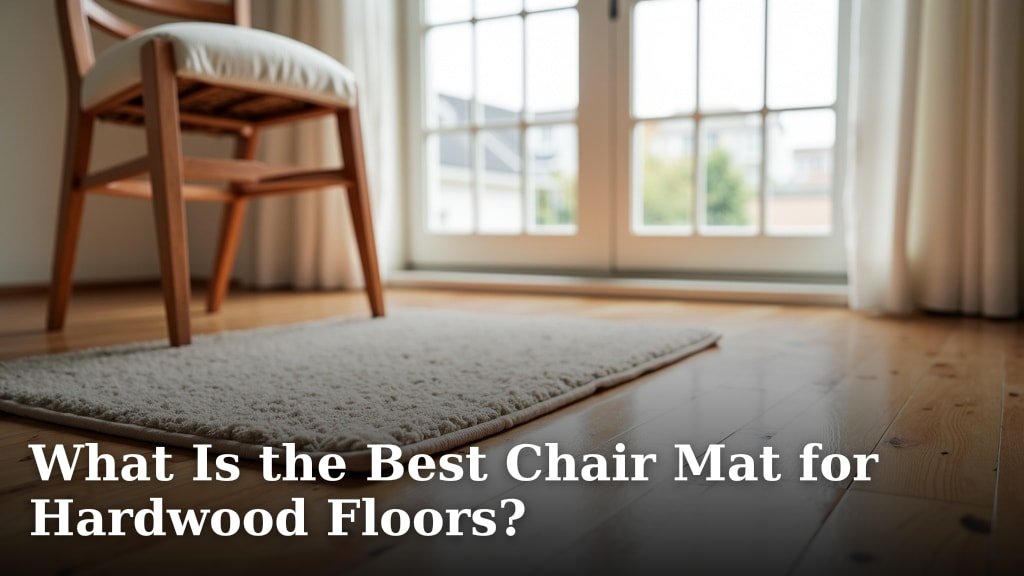
The best chair mat for hardwood floors is a clear, low-profile mat made from polycarbonate or tempered glass, offering superior durability and protection without damaging your beautiful wood. These materials provide a smooth surface for your chair while safeguarding your floor from scratches and wear.
You’ve invested in gorgeous hardwood floors, and the last thing you want is for your office chair to ruin them. Choosing the right chair mat means finding one that stays put, looks good, and truly protects your investment. We understand you want reliable floor protection and a mat that won’t slide around or crack over time.
- The top choice for hardwood is polycarbonate or tempered glass.
- These materials offer durability and clear aesthetics.
- Look for features like low-profile edges and non-slip backings.
- Avoid vinyl or PVC mats, as they can harm your floors.
Let’s dive into why these materials are your best bet and how to pick the perfect mat to keep your hardwood floors looking fantastic.
Top Chair Mat Materials for Hardwood Floor Protection
The best chair mats for your hardwood floors are made from polycarbonate or tempered glass. These materials offer superior durability and protect your floors without causing harm.
Polycarbonate Chair Mats: The Clear Choice
You want a mat that disappears, right? Polycarbonate mats are often clear and thin. They let your beautiful hardwood show through. This is great for keeping your office space looking tidy and stylish.
These mats are tough. We found that polycarbonate is very resistant to cracking and scratching. Your chair wheels will glide smoothly over it. This makes your work life easier.
Another plus? Polycarbonate is a safe choice for your floors. Unlike some other plastics, it won’t react with the finish of your hardwood. This means no sticky residue or discoloration over time. You want to keep your floors pristine, and this material helps you do that.
Benefits of Polycarbonate
- High Impact Strength: It can handle heavy chairs and constant use.
- Chemical Stability: It won’t harm your floor finish.
- Transparency: Your hardwood floors remain visible.
- Flexibility: It can withstand some bending without breaking.
Tempered Glass Chair Mats: The Ultimate in Durability
If you want the absolute strongest option, consider tempered glass. Imagine a mat that feels rock-solid under your chair. That’s tempered glass for you. It offers amazing stability.
Tempered glass is a special kind of safety glass. It’s much stronger than regular glass. If it ever does break, it shatters into small, blunt pieces. This makes it safer than standard glass. You won’t have to worry about sharp shards.
These mats are also crystal clear. They offer an elegant look that complements any decor. They won’t warp, scratch, or dent. This means a perfectly smooth surface for your chair, every single day.
Why Choose Tempered Glass?
- Exceptional Durability: Virtually impossible to scratch or crack with normal use.
- Premium Appearance: Offers a very sleek and modern look.
- Stable Surface: Provides a completely flat and unmoving surface for your chair.
- Safety Features: Designed to break safely if extreme force is applied.
Materials to Avoid for Hardwood Floors
Just as important as knowing what to get, is knowing what to skip. Some chair mat materials can actually damage your beautiful hardwood. You definitely want to steer clear of these.
Vinyl and PVC Chair Mats: A Risky Bet
You might see cheaper chair mats made from vinyl or PVC (polyvinyl chloride). They look like a good deal at first glance. But we found they often cause more problems than they solve. Why is that?
Vinyl and PVC contain plasticizers. These chemicals can react with the finish on your hardwood floors. Over time, you might notice a cloudy haze or even permanent staining. Imagine lifting your mat to find a discolored patch. Not fun!
These mats also tend to be less durable. They can dent, crack, and yellow over time. Your chair wheels might dig grooves into them. This makes it harder to roll your chair. You’ll end up replacing them sooner, costing you more in the long run.
Mats with Aggressive Spikes or Cleats
Some chair mats are designed for carpeted floors. These often have small plastic spikes or cleats on the underside. They’re meant to grip the carpet and keep the mat from sliding. But they are a big no-no for hardwood.
Using a spiked mat on hardwood is like walking across your floor in cleats. It will scratch, dent, and gouge your precious wood. Even if they feel soft, they will cause damage over time. Always check the underside of a mat before buying it. Understanding the difference between hard floor vs carpet casters can help you make the right choice for your chair wheels.
Key Features to Look For in a Hardwood Chair Mat
Once you’ve picked your material, what else matters? A few key features will make a big difference in how well your mat works. We want you to be totally happy with your choice.
Non-Slip Backing
You don’t want your chair mat to play hide-and-seek under your desk. A good mat will stay put. Look for options with a non-slip backing. This often means a smooth, slightly tacky surface on the bottom. It helps the mat grip the floor without adhesives.
Some polycarbonate mats come with a light, non-damaging adhesive. This can be great for extra stability. Just make sure it’s designed for hardwood and won’t leave residue. Always read reviews to be sure.
Low Profile and Beveled Edges
Tripping hazards are no fun. A chair mat should have a low profile. This means it shouldn’t be too thick. Thinner mats are less likely to catch your feet or chair wheels. They also look more integrated with your floor.
Beveled edges are also a huge plus. This means the edges are gently sloped down to the floor. It makes it easier to roll your chair on and off the mat. No more bumping over a harsh edge! It also reduces the chance of tripping.
Size and Shape Considerations
Think about how you move in your chair. Do you roll around a lot? Or do you mostly stay in one spot? Your mat needs to cover the area where your wheels travel. Measure your workspace before you buy.
Common shapes include rectangular, L-shaped, or even custom cuts. Make sure it extends far enough under your desk. You don’t want your wheels dropping off the edge when you lean back. This can be jarring and uncomfortable.
Here’s a quick guide to help you compare:
| Feature | Polycarbonate | Tempered Glass | Vinyl/PVC (Avoid) |
|---|---|---|---|
| Floor Protection | Excellent | Superior | Poor (Risk of Damage) |
| Durability | Very Good | Excellent | Poor (Cracks/Dents) |
| Appearance | Clear, Modern | Crystal Clear, Elegant | Can Yellow/Cloud |
| Chemical Safety | Safe for Finishes | Safe for Finishes | Can React with Finishes |
| Wheel Glide | Smooth | Very Smooth | Can Groove/Resist |
| Price Point | Mid-Range | Higher End | Lower End |
Caring for Your Hardwood Floor Chair Mat
You’ve invested in a great mat. Now, how do you keep it looking good? Proper care will extend its life and keep your floors safe. It’s pretty straightforward, really.
Cleaning Your Mat
For polycarbonate and glass mats, a simple wipe-down is usually enough. Use a damp cloth with mild soap and water. Avoid harsh chemicals or abrasive cleaners. These can scratch or dull the surface. Just like cleaning a window, right?
Dust and debris can build up under the mat. It’s a good idea to lift and clean underneath your mat every few weeks. This prevents grit from getting trapped and potentially scratching your floor. Think of it as a little dust bunny patrol.
Checking for Wear and Tear
Even the best mats aren’t immortal. Periodically inspect your mat. Look for any signs of cracking, excessive scratching, or warping. For polycarbonate, deep grooves might mean it’s time for a replacement. For glass, look for any chips or edge damage.
If your mat starts showing signs of significant wear, don’t wait too long. A damaged mat can stop protecting your floor effectively. Replacing it prevents bigger problems down the road. Your floors will thank you.
A Quick Checklist for Your Perfect Chair Mat
Ready to make your choice? Here’s a short list to guide you:
- Is it made of polycarbonate or tempered glass?
- Does it have a non-slip backing suitable for hardwood?
- Are the edges low-profile and possibly beveled?
- Is the size appropriate for your workspace and movement?
- Does it fit your aesthetic preference (clear is best for hardwood)?
- Are there any aggressive spikes or cleats on the underside? (Avoid these!)
Conclusion
Choosing the best chair mat for your hardwood floors means prioritizing protection and durability. We’ve seen that polycarbonate and tempered glass mats are your top contenders. They offer clear aesthetics and robust safeguarding against daily wear. By selecting one of these materials, you ensure your beautiful floors remain pristine. Avoid vinyl and spiked mats to prevent irreversible damage.
Remember to consider features like non-slip backings and beveled edges for optimal function. Take a moment to measure your space for the right fit. Your investment in quality flooring deserves equally high-quality protection. Make an informed choice to keep your workspace comfortable and your floors looking their best for years to come.
Frequently Asked Questions
Are all clear chair mats safe for hardwood floors?
No, not all clear chair mats are safe. While polycarbonate and tempered glass mats are excellent, some clear mats are made from PVC or vinyl. These can contain plasticizers that react with your floor’s finish, causing discoloration or damage over time. Always check the material before buying.
Can a chair mat prevent all damage to my hardwood floor?
A high-quality chair mat significantly reduces the risk of scratches, dents, and wear from chair wheels. However, it’s essential to clean underneath it regularly. Trapped grit or debris can still cause minor abrasions if not removed. Proper care extends both your mat’s life and your floor’s protection.
Do tempered glass chair mats ever break?
Tempered glass mats are extremely durable and designed for strength. While highly resistant to cracking or breaking under normal use, extreme impact or force can cause them to shatter. When they do, they break into small, blunt pieces for safety. This is much safer than regular glass.
How often should I clean under my chair mat?
You should lift and clean under your chair mat every few weeks. This prevents dust, dirt, and small debris from accumulating. If left undisturbed, these particles can get pressed into your hardwood, potentially causing minor scratches or dulling the finish. A quick clean keeps both your mat and floor in top condition.
Why are mats with spikes bad for hardwood, even if they’re small?
Mats with small spikes or cleats are designed to grip carpet, not hard surfaces. Even tiny spikes will create indentations and scratches on your hardwood floor over time. They can compress the wood or damage the finish. Always choose a mat with a smooth, non-slip backing for hardwood.