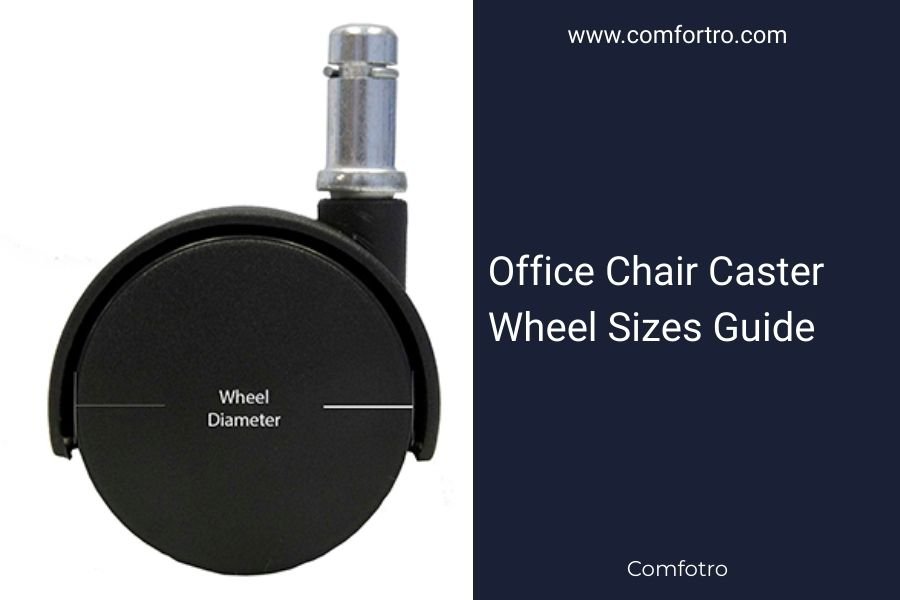
Office chair caster wheel sizes typically range from 2 inches to 3 inches in diameter, with 2.5 inches being the most common standard size for most office chairs.
The standard stem size for office chair casters is 7/16 inch x 7/8 inch, though some chairs use 3/8 inch stems or grip ring attachments instead.
Ever tried rolling your office chair only to feel like you’re dragging a stubborn shopping cart? The problem might be your caster wheels. Getting the right size makes all the difference between smooth gliding and frustrating friction.
I researched office furniture specifications and found that most people don’t realize how much the wrong wheel size affects their daily comfort. Let me walk you through everything you need to know about office chair caster sizes.
Standard Office Chair Caster Wheel Sizes
Most office chairs use wheels between 2 and 3 inches in diameter. Here’s what I found online about the most common sizes:
- 2-inch wheels: Best for hard floors like wood or tile
- 2.5-inch wheels: The standard size for most office chairs
- 3-inch wheels: Better for thick carpets and rugs
Think of wheel size like shoe size. Too small and you’ll struggle. Too big and things get awkward. The 2.5-inch sweet spot works for most situations.
Why Wheel Size Matters
Smaller wheels get stuck more easily. Larger wheels roll smoother but might not fit your chair’s design. I came across research showing that wrong wheel sizes can increase the effort needed to move by up to 40%.
Office Chair Stem Types and Sizes
The stem connects your wheel to the chair base. Getting this wrong means your new wheels won’t fit at all.
Standard Stem Size
The most common stem size is 7/16 inch diameter by 7/8 inch length. About 80% of office chairs use this size, from what I read in furniture industry reports.
How to Measure Your Stem
Pull out one of your current wheels. Measure the metal post that goes into the chair base. Use a ruler or tape measure for accuracy.
Alternative Stem Sizes
Some chairs use different connections:
- 3/8 inch stems: Less common, usually on lighter chairs
- Grip ring stems: These expand inside the socket
- Threaded stems: Screw directly into the chair base
Grip Ring vs Standard Stems
Grip ring casters have a spring-loaded ring that expands once inserted. They’re harder to remove but stay more secure. Standard stems slide in and out easily.
Choosing Wheels for Different Floor Types
Your floor type should guide your wheel choice. I found that using wrong wheels can damage both your floors and your chair.
Hard Floor Wheels
For wood, tile, or laminate floors, you want softer wheels. They protect your floors from scratches and roll quietly.
- Polyurethane wheels work best
- Rubber wheels are also good options
- Avoid hard plastic wheels completely
Why Soft Wheels Matter
Hard wheels on hard floors create a double-hard situation. It’s like wearing cleats on concrete. You’ll scratch your floors and hear every movement.
Carpet Wheels
Carpeted offices need harder wheels that can push through the fibers without getting stuck.
- Hard plastic wheels work well
- Nylon wheels are durable options
- Larger diameter helps with thick carpets
Carpet Thickness Considerations
Low-pile carpet works with standard wheels. High-pile or shag carpet needs larger, harder wheels. Think of it like tires in snow – you need more aggressive tread.
Measuring Your Current Caster Wheels
Before buying replacements, measure what you have. This prevents ordering mistakes.
Tools You’ll Need
Get a tape measure or ruler. That’s it. No fancy tools required.
Step-by-Step Measuring Process
Remove one wheel from your chair. Most pull straight out with some force.
Measuring Wheel Diameter
Measure across the wheel at its widest point. This gives you the diameter you need to match.
Measuring Stem Dimensions
Measure the stem width and length separately. Width goes across the stem. Length measures how deep it goes into the chair.
Common Caster Wheel Problems
Many office workers deal with wheel issues daily. Here’s what I heard from furniture experts about the most frequent problems.
Wheels That Won’t Roll
Stuck wheels usually mean debris buildup. Hair, string, and dust wrap around the axle over time.
Quick Fix Solutions
Turn your chair upside down. Use scissors to cut away hair and string. A damp cloth removes dust and grime.
Wheels That Fall Out
Loose wheels happen when the stem wears down or the socket stretches. This creates safety risks.
When to Replace vs Repair
If the stem looks worn or bent, replace the wheel. If the chair socket is loose, you might need professional repair.
Installation Tips for New Wheels
Installing new casters is usually straightforward. But a few tricks make it easier.
Removing Old Wheels
Pull straight out with steady pressure. Rock the wheel slightly if it’s stuck. Don’t twist – this can damage the socket.
Installing New Wheels
Push the new wheel straight in until you hear a click or feel it seat fully. Test by trying to pull it back out gently.
Troubleshooting Installation Issues
If wheels won’t stay in, check the stem size. Too small means loose fit. Too big means forcing and potential damage.
Conclusion
Getting the right office chair caster wheel size makes your workday smoother and more comfortable. Remember that 2.5-inch diameter wheels with 7/16 x 7/8 inch stems fit most chairs. Match your wheel material to your floor type – soft wheels for hard floors, hard wheels for carpet. Take five minutes to measure your current wheels before ordering replacements. Your back and productivity will thank you for making this simple upgrade.
What happens if I use the wrong size caster wheels?
Wrong size wheels can make your chair harder to move, damage your floors, or fall out unexpectedly. Too small wheels get stuck easily while too large wheels might not fit properly in your chair base.
Can I mix different types of caster wheels on one chair?
You shouldn’t mix different wheel types on one chair. This creates uneven rolling and can make your chair pull to one side. Stick with matching wheels for best performance and safety.
How often should I replace office chair caster wheels?
Replace caster wheels when they stop rolling smoothly, develop flat spots, or start falling out frequently. With normal use, quality wheels last 3-5 years depending on your floor type and usage.
Do heavier people need different caster wheel sizes?
Heavier users benefit from larger diameter wheels and higher weight ratings rather than different sizes. Look for wheels rated for at least 250 pounds per wheel for better durability and smoother rolling.
Are there caster wheels that work on both carpet and hard floors?
Dual-surface wheels with medium hardness can work on both floor types, but they’re a compromise solution. You’ll get better performance choosing wheels designed specifically for your primary floor type.