Kneeling chairs can improve posture and reduce lower back pain by distributing weight between your knees and buttocks while promoting a natural spinal curve.
The main risks include knee discomfort, leg circulation issues, and potential muscle fatigue during adjustment periods.
What Is a Kneeling Chair?
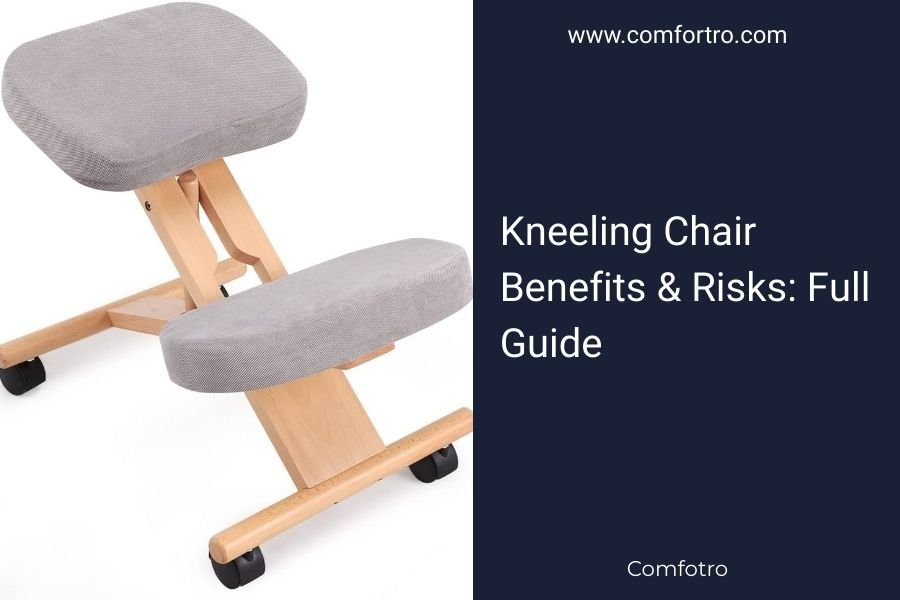
A kneeling chair positions your body at a forward angle. Your knees rest on padded supports while your buttocks sit on an angled seat. This design keeps your spine naturally curved.
Think of it like sitting on a prayer bench. The forward tilt opens your hip angle to about 110-130 degrees instead of the typical 90 degrees in regular chairs.
How Kneeling Chairs Work
Regular chairs often cause slouching. Your hip flexors tighten and your spine rounds forward. Kneeling chairs change this pattern.
The angled seat tilts your pelvis forward. This naturally brings your spine into better alignment. Your core muscles engage more to maintain balance.
Weight Distribution Pattern
Instead of putting all weight on your buttocks, kneeling chairs split the load. About 60-70% goes to your seat. The remaining 30-40% transfers to your knee pads.
This redistribution takes pressure off your tailbone and lower spine. Many people find this reduces sitting discomfort.
Proven Benefits of Kneeling Chairs
Better Spinal Alignment
I found research showing kneeling chairs maintain the spine’s natural S-curve better than traditional chairs. Your lumbar lordosis stays more intact (Journal of Physical Therapy Science).
This alignment reduces stress on spinal discs. Less compression means less back pain for many users.
Stronger Core Muscles
Without a backrest, your core works harder to keep you upright. This creates a mini workout throughout your day.
Stronger core muscles support your spine better. Over time, this can improve your overall posture even when standing.
Reduced Hip Flexor Tightness
Regular chairs keep your hips bent at 90 degrees. This shortens hip flexor muscles over time. Tight hip flexors pull on your lower back.
Kneeling chairs open your hip angle. This gentle stretch can help reverse hip flexor tightness.
Better Breathing
The upright position opens your chest cavity. Your diaphragm has more room to work. Many users notice they breathe more deeply.
Circulation Benefits
The forward position can improve blood flow to your organs. Some people report feeling more alert and energetic.
Real Risks and Drawbacks
Knee Pressure and Pain
Your knees bear significant weight on these chairs. This can cause discomfort, especially at first. People with existing knee problems may struggle.
The pressure can compress nerves around your kneecap. Some users develop numbness or tingling in their legs.
Circulation Issues
Kneeling can reduce blood flow to your lower legs. Your feet might fall asleep or feel cold. This happens because the position compresses blood vessels.
Ankle Stiffness
Your ankles stay in one position for long periods. This can cause stiffness and reduced flexibility over time.
Limited Mobility
Getting in and out of kneeling chairs takes more effort. You can’t easily roll or swivel like in office chairs.
This makes reaching different areas of your desk harder. It can slow down your workflow.
Adjustment Challenges
Your body needs time to adapt. Most people experience muscle soreness for the first few weeks. Some give up before seeing benefits.
Who Should Use Kneeling Chairs?
Good Candidates
- People with lower back pain from poor posture
- Office workers who slouch in regular chairs
- Those wanting to strengthen core muscles
- People with tight hip flexors
Who Should Avoid Them
- Anyone with knee injuries or arthritis
- People with circulation problems
- Those with ankle or foot issues
- Pregnant women in later stages
Age Considerations
Older adults may find kneeling chairs harder to use. Getting up and down becomes more challenging. Balance issues can make them unsafe.
How to Use Kneeling Chairs Safely
Start Gradually
Begin with 15-30 minutes per day. Increase by 15 minutes each week. Your body needs time to build strength and adapt.
Switch between your kneeling chair and regular chair during the day. This prevents overuse injuries.
Proper Setup Tips
Adjust the seat height so your hips are slightly above your knees. Your thighs should angle downward at about 20-30 degrees.
Make sure the knee pads support your shins, not your kneecaps. Direct pressure on kneecaps can cause problems.
Desk Height Matters
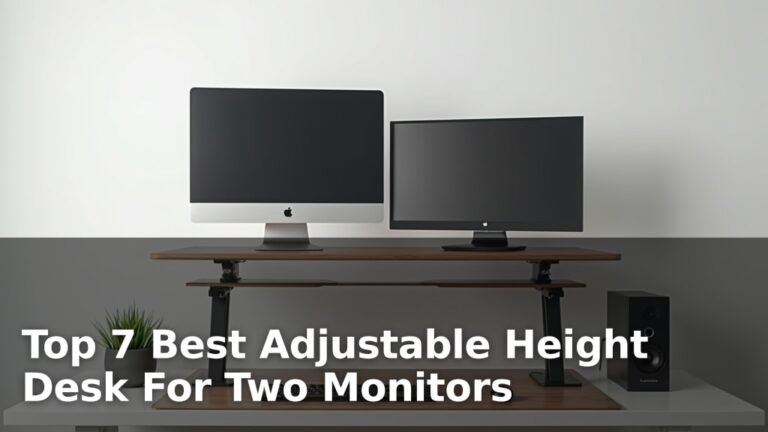
You’ll sit higher in a kneeling chair. Your desk might feel too low. Consider a desk riser or adjustable desk.
Take Regular Breaks
Stand and walk every 30-45 minutes. Stretch your knees and ankles. This prevents stiffness and circulation problems.
| Time Period | Daily Usage | What to Expect |
|---|---|---|
| Week 1-2 | 15-30 minutes | Muscle soreness, adjustment |
| Week 3-4 | 45-60 minutes | Reduced soreness, better comfort |
| Month 2+ | 2-4 hours | Full adaptation, posture benefits |
Alternatives to Consider
Standing Desks
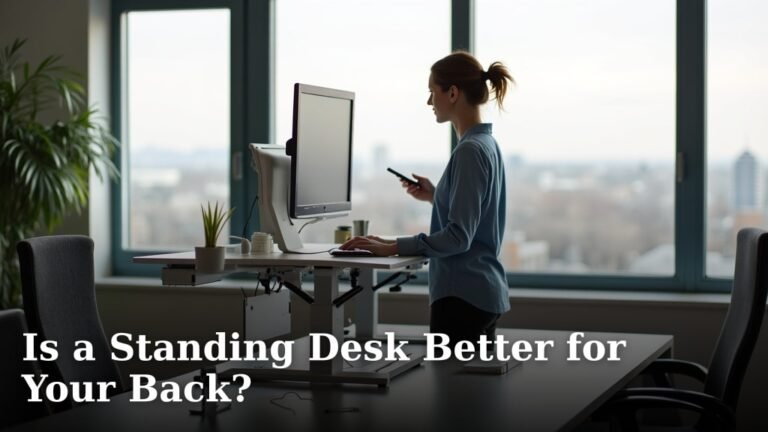
If kneeling chairs don’t work for you, try a standing desk. You get similar posture benefits without knee pressure.
Exercise Ball Chairs
Balance balls engage your core like kneeling chairs. But they’re easier on your knees and allow more movement.
Ergonomic Office Chairs
A good ergonomic chair with proper lumbar support might solve your problems. They’re more versatile than kneeling chairs.
Conclusion
Kneeling chairs offer real benefits for posture and back pain. But they’re not magic solutions that work for everyone. The key is understanding your body’s needs and limitations.
Start slowly if you decide to try one. Listen to your body and don’t push through pain. Mix kneeling chair time with other seating options for the best results.
Remember, the best chair is one that keeps you moving and changing positions throughout the day. No single seating solution is perfect for 8 hours straight.
Can I use a kneeling chair all day at work?
No, you shouldn’t use any chair for 8 hours straight. Start with short periods and build up gradually. Most experts recommend alternating between different seating options throughout the day to prevent overuse issues.
Will a kneeling chair fix my herniated disc?
Kneeling chairs aren’t medical treatments. While they may help some people with back pain by improving posture, you should consult a doctor for herniated disc issues. Don’t use furniture as a substitute for proper medical care.
How much should I spend on a kneeling chair?
Quality kneeling chairs range from $100-400. Look for adjustable height, thick knee padding, and sturdy construction. Don’t buy the cheapest option since poor padding can cause more problems than benefits.
Can children use kneeling chairs for homework?
Children can use kneeling chairs for short periods, but they need proper sizing. Kids grow quickly, so adjustability is key. Limit use to 20-30 minutes and ensure they can get up easily without help.
What’s the difference between kneeling chairs and saddle chairs?
Saddle chairs position you like riding a horse with both feet on the ground. Kneeling chairs support your knees instead of your feet. Saddle chairs allow more leg movement while kneeling chairs provide more core engagement.