
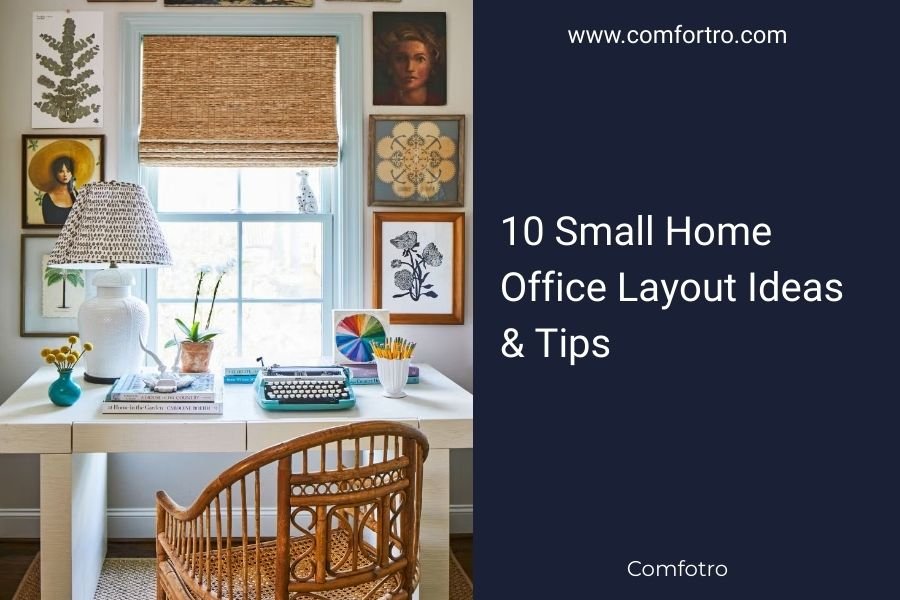
Small home office layouts can maximize productivity by using vertical storage, multi-functional furniture, and strategic placement near natural light sources.
The most effective small home office layout ideas focus on corner workstations, wall-mounted desks, and compact storage solutions that keep your workspace organized without overwhelming the room.
Why Small Home Office Layouts Matter More Than Ever
Working from home isn’t going anywhere. You need a space that works hard without taking up your entire living room. Small home offices present unique challenges, but they also offer surprising advantages.
Think of your small office like a well-organized kitchen galley. Every inch serves a purpose. You don’t need massive square footage to create a productive workspace that makes you feel professional and focused.
Essential Principles for Small Home Office Success
Vertical Space Is Your Best Friend
Your walls hold the secret to doubling your storage capacity. Look up instead of out when planning your layout.
Wall-mounted shelving systems can hold books, supplies, and decorative items without eating up floor space. Floating desks attach directly to the wall and fold down when not in use.
Light Makes Everything Feel Bigger
Position your desk near a window if possible. Natural light reduces eye strain and makes cramped spaces feel more open.
If windows aren’t available, invest in good task lighting. A combination of overhead lighting and desk lamps creates depth and prevents shadows.
10 Small Home Office Layout Ideas That Actually Work
1. The Corner Command Center
Corners are often wasted space in homes. Transform yours into a productive office nook with an L-shaped or triangular desk.
This layout gives you two work surfaces while using minimal floor space. You can separate computer work from paperwork or creative projects.
Best For
- People who need multiple work zones
- Rooms with awkward corner spaces
- Those who want to maintain room flow
2. The Closet Office Conversion
That spare closet can become your private office sanctuary. Remove the doors and install a compact desk system inside.
This setup provides natural boundaries between work and home life. You can literally close the doors on work at the end of the day.
Setup Tips
- Add extra lighting inside the closet
- Use the existing rod for hanging file folders
- Install shelves at eye level for frequently used items
3. The Kitchen Counter Extension
Your kitchen counter might double as office space with the right setup. Choose a section that won’t interfere with meal prep.
This works well for people who prefer background activity while working. The kitchen’s natural lighting and ventilation create a pleasant work environment.
4. The Bedroom Alcove Office
Create a mini office in your bedroom using a small desk against one wall. Keep the color scheme calm to maintain the room’s restful atmosphere.
Research suggests that bedroom offices work best when you can visually separate work from sleep areas (Sleep Foundation).
Making It Work
- Use a room divider or curtain
- Choose furniture that matches bedroom decor
- Avoid bright task lighting near the bed
5. The Living Room Stealth Office
Blend your office into living room furniture with a console table or ottoman with storage. This approach keeps your main living space intact.
The key is choosing pieces that serve double duty. Your desk becomes a side table when guests visit.
6. The Hallway Workstation
Wide hallways offer surprising office potential. A narrow desk along one wall creates a workspace without blocking traffic flow.
This unconventional location works well for people who concentrate better in quiet, low-traffic areas.
7. The Under-Stair Command Post
The space under your stairs often goes unused. With some creativity, it becomes a cozy office nook with built-in privacy.
You’ll need to work around slanted ceilings, but this limitation can make the space feel more intimate and focused.
Design Considerations
- Measure ceiling height carefully
- Add extra lighting to brighten the space
- Use light colors to prevent claustrophobia
8. The Murphy Desk Solution
Wall-mounted desks that fold up completely disappear when not needed. This option works perfectly in multipurpose rooms.
Modern murphy desks include built-in storage and cable management. You get a full office that vanishes at dinner time.
9. The Window Perch Office
Transform a sunny window area into your office with a custom or fitted desk. The natural light boosts mood and reduces energy costs.
Window offices work especially well in rooms with bay windows or deep sills that can accommodate a desktop surface.
10. The Dual-Purpose Dining Setup
Your dining room table can serve as a spacious desk during work hours. This approach works best if you don’t use the dining room daily.
Invest in attractive storage containers that blend with your dining room decor. Your office supplies stay organized but hidden.
Space-Saving Furniture That Changes Everything
Multi-Functional Pieces Worth Buying
The right furniture makes small spaces work harder. Look for pieces that serve multiple purposes without sacrificing style.
| Furniture Type | Space-Saving Feature | Best Use |
|---|---|---|
| Storage Ottoman | Seating + file storage | Living room offices |
| Wall-mounted desk | Folds completely away | Multipurpose rooms |
| Rolling cart | Mobile storage | Flexible layouts |
| Bookshelf room divider | Storage + privacy | Open floor plans |
Vertical Storage Systems
Think of your walls as valuable real estate. Vertical storage systems maximize every inch from floor to ceiling.
Modular shelving systems adapt as your needs change. You can reconfigure them without buying new furniture.
Organization Strategies for Tiny Offices
The One-Touch Rule
In small spaces, everything needs a designated spot. The one-touch rule means you can grab what you need without moving other items.
This prevents the accumulation of clutter that quickly overwhelms small offices. Each item has one specific home.
Digital Organization Reduces Physical Storage
Going paperless isn’t just trendy – it’s practical for small offices. Digital files take up zero physical space.
Scan important documents and store them in cloud-based systems. You’ll need fewer filing cabinets and storage boxes.
Common Small Office Layout Mistakes
Pushing Everything Against Walls
You might think wall-hugging furniture saves space, but it can make rooms feel cramped. Sometimes pulling a desk slightly into the room creates better flow.
Ignoring Electrical Outlet Placement
Plan your layout around existing outlets when possible. Extension cords and power strips create visual clutter and safety hazards.
Choosing Furniture That’s Too Small
Tiny furniture in small spaces often looks lost and impractical. One properly sized piece usually works better than several small ones.
Conclusion
Small home office layouts succeed when you think creatively about space and choose furniture that works twice as hard. Whether you convert a closet, claim a corner, or blend your office into existing rooms, the key lies in maximizing vertical space and maintaining organization.
Your small office can be just as productive as a traditional workspace when you apply these layout principles. Start with one idea that fits your space and lifestyle, then build from there. The perfect small office layout is the one that makes you excited to work from home.
What’s the minimum square footage needed for a functional home office?
You can create a functional home office in as little as 25 square feet. This includes space for a small desk, chair, and basic storage. Corner spaces and alcoves often provide sufficient room without requiring a dedicated room.
How can I separate my small home office from my living space mentally?
Use visual and physical boundaries like room dividers, curtains, or different lighting to create mental separation. Establishing specific work hours and “closing” your office space at day’s end helps maintain work-life boundaries even in shared spaces.
What lighting works best in small home offices without windows?
Combine overhead LED lighting with task lighting at your desk level. Full-spectrum bulbs that mimic natural light help prevent eye strain and maintain energy levels. Avoid single harsh light sources that create shadows.
Should I prioritize storage or workspace in a very small office?
Prioritize workspace first, then use vertical storage solutions to maximize organization without sacrificing desk area. A clutter-free small workspace is more productive than a large desk surrounded by disorganized items.
Can a small home office work for video calls and meetings?
Yes, position your camera to show a clean background or use a simple backdrop. Good lighting on your face matters more than office size. Many successful remote workers conduct professional video calls from compact, well-organized spaces.
