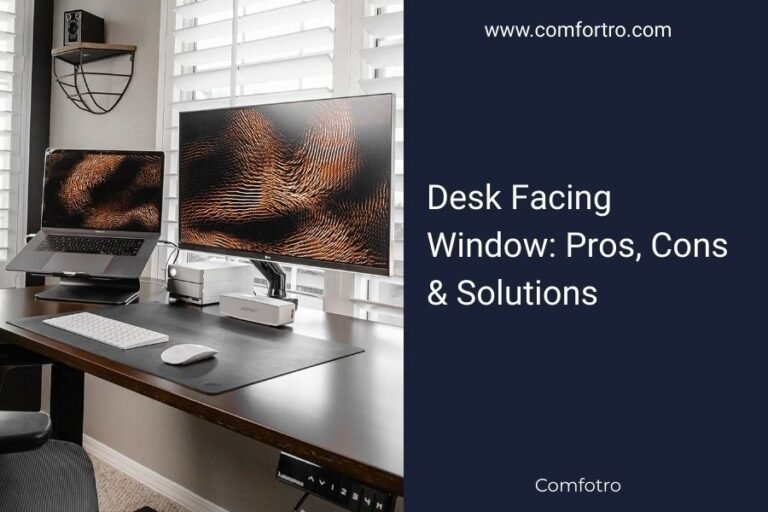
A home office guest room combo requires smart layout planning to serve both work productivity and guest comfort effectively. The key is choosing dual-purpose furniture and creating distinct zones within the same space.
Most successful home office guest room combo layouts use a murphy bed or daybed as the foundation, paired with a compact desk along the opposite wall. This arrangement gives you a professional workspace during the day and a welcoming guest room when needed.
Essential Furniture Pieces for Dual-Purpose Success
Your furniture choices make or break this combo room concept. I found that certain pieces work better than others for this challenging layout.
Murphy Beds: The Ultimate Space Saver
Murphy beds fold up against the wall when not in use. This gives you maximum floor space for your office setup during regular work hours.
Modern murphy beds come with built-in desks or shelving units. You get storage and workspace in one compact package.
Daybed Solutions
A daybed works as seating during work hours and transforms into a guest bed at night. Add some throw pillows and you have a cozy reading nook too.
Position your daybed perpendicular to your desk area. This creates natural separation between work and sleep zones.
Compact Desk Options
Choose a desk that fits your work needs without overwhelming the room. A 48-inch desk typically provides enough workspace while leaving room for guest furniture.
Corner desks work well in square rooms. They maximize desk surface while using less floor space.
Layout Strategy #1: The L-Shaped Configuration
Place your desk along one wall and position the bed perpendicular along the adjacent wall. This creates two distinct zones that don’t interfere with each other.
Traffic Flow Considerations
Keep a clear path from the door to both the desk and bed areas. You need at least 3 feet of walking space for comfortable movement.
Avoid placing furniture where it blocks natural light from windows. Both work and sleep areas benefit from good lighting.
Storage Integration
Use the corner where your L-shape meets for tall storage pieces. A bookshelf or storage tower fits perfectly here and serves both functions.
Layout Strategy #2: The Parallel Setup
Position your desk along one long wall and place the guest bed along the opposite wall. This works best in rectangular rooms with good width.
Visual Separation Techniques
Use a room divider or bookshelf to create psychological separation between work and sleep areas. This helps both you and guests feel more comfortable.
A tall plant or folding screen also works as a flexible divider that you can move as needed.
Lighting Zones
Install separate lighting for each area. A desk lamp handles work tasks while bedside lighting creates a relaxing atmosphere for guests.
Layout Strategy #3: The Corner Office Approach
Claim one corner for your complete office setup. Use the remaining space as a dedicated guest area with a comfortable bed and small seating area.
Maximizing Corner Space
Corner desks often provide more work surface than straight desks. You can fit dual monitors and still have space for paperwork.
Add floating shelves above your corner desk for vertical storage without taking floor space.
Guest Area Comfort
Position a comfortable chair near the guest bed. Your visitors need somewhere to sit while getting ready or relaxing.
Smart Storage Solutions
Storage becomes twice as important when one room serves two purposes. You need space for both office supplies and guest amenities.
Under-Bed Storage
Choose bed frames with built-in drawers or use storage boxes underneath. This space works well for guest linens and seasonal office supplies.
Wall-Mounted Options
Floating shelves and wall-mounted cabinets save floor space while providing needed storage. Install them at different heights to create visual interest.
Multi-Functional Furniture
Ottoman storage cubes serve as seating, footrests, and storage containers. A storage bench at the foot of the bed provides luggage space for guests.
Creating Professional Video Call Backgrounds
Your desk position matters for video calls. You want a clean, professional background without bed or personal items visible.
Wall Positioning
Face a plain wall or bookshelf during calls. Avoid having the bed directly behind you in video meetings.
Backdrop Solutions
A folding backdrop screen creates an instant professional background. Choose neutral colors that work with your room’s design.
Lighting Design for Dual Functions
Good lighting serves both work productivity and guest comfort. Plan for different lighting needs throughout the day.
Natural Light Optimization
Position your desk near windows for natural light during work hours. Use light-filtering blinds to control glare on computer screens.
Task Lighting
Install under-cabinet lighting if you have overhead storage. This reduces shadows on your work surface.
Ambient Lighting
Table lamps and floor lamps create warm, welcoming light for guests. Dimmable options let you adjust brightness as needed.
Color Schemes That Work for Both Purposes
Choose colors that feel both professional and welcoming. Neutral bases work best with colorful accents you can change easily.
Professional Yet Warm Colors
Soft grays, warm whites, and muted blues create a calming environment for both work and rest. These colors photograph well for video calls too.
Accent Color Strategy
Use removable accents like throw pillows and artwork to add personality. You can easily switch these based on whether you have guests staying over.
Technology Integration
Plan your tech setup carefully to avoid cables and equipment that might bother sleeping guests.
Cable Management
Use cable organizers and cord covers to keep technology wires neat and safe. Guests shouldn’t have to navigate around computer cables.
Noise Considerations
Position noisy equipment like printers away from the sleeping area. Consider a small cabinet that closes to muffle printer sounds.
Common Layout Mistakes to Avoid
I found that certain layout choices create problems for both work and guest functions. Here’s what to watch out for.
Blocking Natural Light
Don’t place tall furniture in front of windows. Both office work and guest comfort benefit from natural light access.
Insufficient Privacy
Guests need some privacy from your work area. Create visual separation even in small spaces.
Inadequate Storage
Plan for storage needs of both functions from the start. Adding storage later often looks awkward and cluttered.
Budget-Friendly Layout Ideas
You don’t need expensive furniture to create an effective combo room. Smart shopping and DIY solutions work well.
Thrift Store Finds
Look for solid wood desks and dressers you can refinish. A fresh coat of paint makes older furniture look modern.
DIY Storage Solutions
Build simple floating shelves or repurpose bookcases as room dividers. Basic carpentry skills can save hundreds of dollars.
Seasonal Adjustments
Your room layout might need small changes based on how often you have guests or changes in your work needs.
Holiday Guest Seasons
During busy guest seasons, temporarily relocate some office supplies to other rooms. This gives guests more space and comfort.
Conclusion
Creating a successful home office guest room combo requires thoughtful planning and smart furniture choices. Focus on dual-purpose pieces and clear zone separation to make both functions work well. Start with the basics – a murphy bed or daybed, compact desk, and good storage – then add personal touches that make the space feel welcoming for both work and guests. Remember that flexibility is key; the best combo rooms adapt to your changing needs while maintaining both professional functionality and guest comfort.
How much space do I need for a home office guest room combo?
A minimum of 100 square feet works for basic functionality, but 120-150 square feet provides more comfortable layouts. Rooms smaller than 10×10 feet become challenging for dual purposes.
What’s the best bed size for a guest room office combo?
A twin or full-size bed works best in most combo rooms. Queen beds take up too much floor space unless you have a large room over 150 square feet.
Can I use a regular bed instead of a murphy bed or daybed?
Yes, but choose a low-profile bed frame to maintain sight lines across the room. Platform beds with storage work well and cost less than specialty murphy beds.
How do I handle privacy for video calls when guests are staying?
Install a folding screen or use a portable backdrop for quick privacy during calls. Schedule important video meetings for times when guests are out if possible.
What furniture pieces should I avoid in a combo room?
Skip bulky recliners, oversized dressers, and multiple small tables that create clutter. Stick to furniture pieces that serve multiple purposes and keep pathways clear.