Standing desks are better for occasional movement and lower cost, while treadmill desks provide continuous activity but cost more and require adaptation.
Your choice between a standing desk vs treadmill desk depends on your fitness goals, budget, and work style preferences.
What’s the Real Difference?
Let’s cut to the chase. Both options get you away from traditional sitting. But they work in completely different ways.
Standing desks let you alternate between sitting and standing. You control when to switch positions. Treadmill desks keep you walking at a slow pace while you work.
Standing Desks: The Basics
Standing desks raise your workspace so you can work upright. Most are adjustable. You can go from sitting to standing in seconds.
Research from the Mayo Clinic shows standing burns about 50 more calories per hour than sitting. That adds up over a full workday.
Types of Standing Desks
- Manual crank desks
- Electric sit-stand desks
- Desktop converters
- Fixed-height standing desks
Treadmill Desks: Walking While Working
Treadmill desks combine a slow-moving treadmill with a workspace above it. You walk at 1-2 mph while typing, reading, or taking calls.
Studies from the NIH found treadmill desk users can walk 2-4 miles during an 8-hour workday. That’s impressive activity without extra gym time.
Treadmill Desk Variations
- All-in-one treadmill desk units
- Treadmill bases with separate desks
- Under-desk treadmills for existing workstations
Health Benefits Comparison
Both options beat sitting all day. But they target different health concerns.
Standing Desk Health Benefits
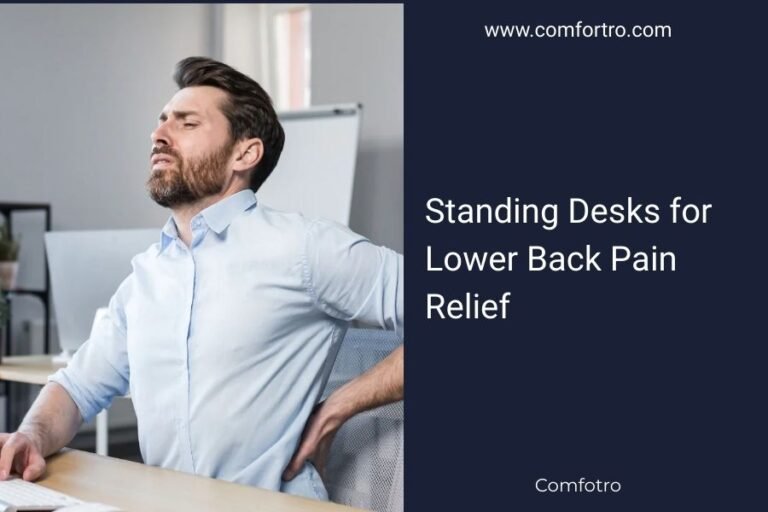
I found research showing standing desks can reduce back pain for many people. The Cleveland Clinic reports better posture when you alternate sitting and standing.
Standing also helps with blood sugar control after meals. Your muscles use more glucose when you’re upright.
Key Standing Desk Advantages
- Reduced lower back strain
- Better posture over time
- Improved blood circulation
- Higher energy levels
Treadmill Desk Health Benefits
Treadmill desks provide real cardiovascular exercise. You’re moving continuously, not just changing positions.
From what I read in workplace wellness studies, treadmill desk users often lose weight and improve fitness markers. Walking is gentle on joints too.
Treadmill Desk Advantages
- Continuous calorie burning
- Cardiovascular fitness improvement
- Weight management support
- Enhanced mood and creativity
Cost Analysis
Money matters when choosing office equipment. The price gap between these options is significant.
| Feature | Standing Desk | Treadmill Desk |
|---|---|---|
| Entry Price | $150-300 | $1,000-1,500 |
| Premium Options | $500-1,200 | $2,000-4,000 |
| Maintenance Costs | Minimal | $100-200/year |
Standing Desk Budget Options
Desktop converters start around $150. Electric sit-stand desks range from $300-800 for quality options. You don’t need to break the bank.
Treadmill Desk Investment
Treadmill desks require a bigger upfront investment. But think of it as gym equipment and office furniture combined. The cost per use drops if you walk daily.
Work Performance Impact
Will your work quality suffer? This is a fair concern with both options.
Standing Desk Performance
Most people adapt to standing desks quickly. Typing and mouse work feel natural after a few days. Some report better focus when standing.
The key is alternating. Don’t stand all day. Mix sitting and standing based on your tasks.
Best Tasks for Standing
- Reading emails
- Video calls
- Brainstorming
- Phone conversations
Treadmill Desk Learning Curve
Treadmill desks take more practice. Walking while typing feels awkward at first. Many experts suggest starting with just 15-30 minutes daily.
I found studies showing people need 2-4 weeks to feel comfortable. But once adapted, most handle routine tasks easily.
Treadmill Desk Challenges
- Precise mouse work is harder
- Video calls can be bouncy
- Concentration may suffer initially
- Some tasks require stopping
Space Requirements
Your office space might make the decision for you.
Standing Desk Footprint
Standing desks use the same floor space as regular desks. Desktop converters sit on existing furniture. No extra room needed.
Treadmill Desk Space Needs
Treadmill desks are longer and wider than regular desks. You need clearance behind and beside the unit. Plan for at least 6×4 feet of floor space.
Noise and Office Environment
What about your coworkers? Noise levels differ dramatically.
Standing Desk Noise
Electric standing desks make brief motor sounds when adjusting. Otherwise, they’re silent. Perfect for shared offices.
Treadmill Desk Sound
Even quiet treadmill desks create walking noise and motor hum. This can distract others in open offices. Home offices work better.
Which Should You Choose?
Your lifestyle and goals should guide this decision.
Choose a Standing Desk If You:
- Want to start with small changes
- Have a limited budget
- Work in a shared office space
- Do detailed computer work
- Prefer controlling when to move
Choose a Treadmill Desk If You:
- Want maximum daily activity
- Can invest in premium equipment
- Work from home
- Do mostly reading or calls
- Struggle to find exercise time
Making the Transition
Either choice requires gradual adaptation. Don’t go all-in on day one.
Standing Desk Transition Tips
Start with 30 minutes standing, then sit for 30 minutes. Increase standing time weekly. Your feet and legs need to build endurance.
Get an anti-fatigue mat. Wear comfortable shoes. Keep a footrest nearby for position changes.
Treadmill Desk Adaptation
Begin with just 15 minutes of slow walking. Focus on easy tasks like reading emails. Gradually increase time and add complex work.
Many people find 1.2 mph is the sweet spot. Fast enough for health benefits, slow enough for productivity.
Conclusion
Standing desks and treadmill desks both solve the sitting problem. But they’re different tools for different people.
Standing desks offer flexibility, affordability, and easy adoption. They’re perfect for most office workers who want better health without major disruption.
Treadmill desks provide maximum activity and fitness benefits. They’re ideal for home workers who can invest more money and adaptation time.
Start where you are. A standing desk converter might lead to a treadmill desk later. The best choice is the one you’ll actually use every day.
Can you use both a standing desk and treadmill desk?
Yes, some people use both depending on their tasks. Stand for detailed work, walk for calls and reading. This gives maximum variety but requires more space and investment.
How long does it take to see health benefits from either option?
Most people notice energy improvements within 1-2 weeks. Physical benefits like better posture or weight changes typically show up after 4-8 weeks of consistent use.
Are there any risks with standing or treadmill desks?
Standing too long can cause leg fatigue or varicose veins. Treadmill desks might cause falls if you’re not careful. Start slowly and listen to your body with either option.
What’s the minimum daily use to get benefits?
Research suggests at least 2 hours of standing or 30 minutes of treadmill walking daily. Break this into smaller chunks throughout your workday for best results.
Do insurance companies cover these desks?
Some health insurance plans or HSA accounts cover ergonomic office equipment with doctor’s orders. Check with your provider about coverage for workplace wellness equipment.