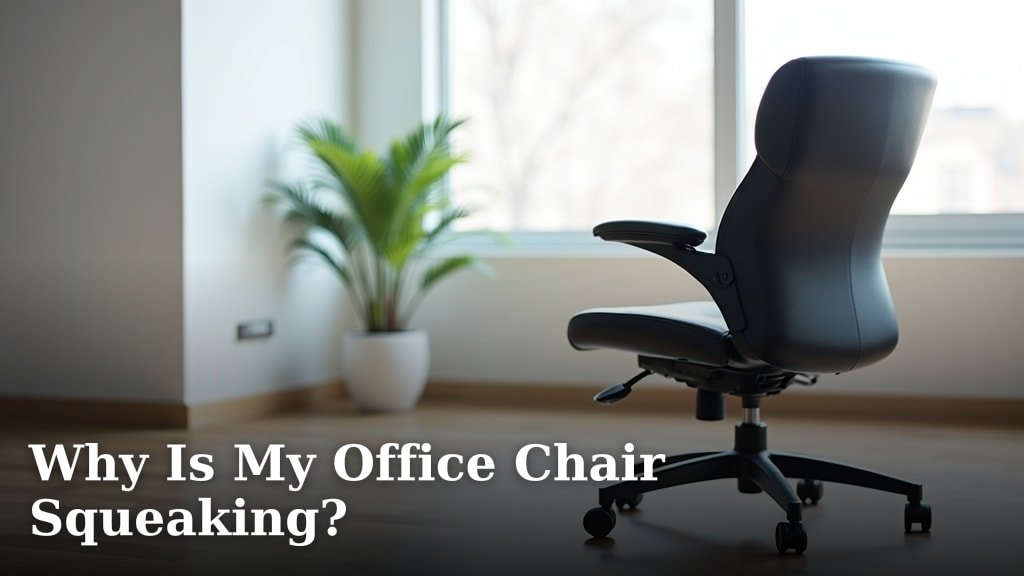
Your office chair is squeaking because of friction between moving parts, often due to a lack of lubrication or loose components. Over time, dust and grime build up, leading to irritating noises as you shift your weight.
Those annoying squeaks are typically caused by common issues like a dried-up mechanism, loose screws in the base, or tired springs. It’s a common problem for even the sturdiest chairs, especially with regular use. You might also find that different materials rub together, creating that tell-tale sound.
TL;DR:
- Lubricate moving parts.
- Tighten loose screws.
- Clean accumulated dust.
- Check springs and tension.
- Identify rubbing components.
Don’t worry; we found that fixing most squeaks is surprisingly simple. Let’s walk through exactly what’s making that racket and how you can silence your office chair for good.
What’s Causing Your Office Chair to Squeak?
Your office chair is likely making noise due to a few common culprits. It’s often a simple matter of parts rubbing together that shouldn’t be, or something needing a little tightening.
You’ll find that these issues are usually easy to spot and fix. Let’s break down where those annoying sounds typically come from.
Friction Between Moving Parts
One of the most frequent reasons for a squeaky chair is friction. When different components rub against each other without proper lubrication, they generate noise.
Think of it like hinges on an old door. Without oil, they groan and creak. Your office chair is no different.
Lack of Lubrication
Many chairs have moving parts designed to glide smoothly. Over time, any initial lubrication can dry up or be pushed away. This leaves metal-on-metal or plastic-on-plastic contact.
You’ll often hear this from the chair’s tilt mechanism or the gas lift if it’s the culprit. Adding a dab of lubricant can make a world of difference.
Material Rubbing Against Material
Sometimes, the squeak comes from where dissimilar materials meet. Perhaps the plastic casing around the gas lift is rubbing against the metal base, or a seat cushion is shifting against the chair frame.
We found that even the armrests can squeak if they’re not securely fastened or have parts that grind together. Gently pressing on different areas of your chair can help pinpoint the source.
Loose Components and Fasteners
Another major reason for squeaks is simply something being loose. A loose connection allows parts to shift and grind when you move, creating that irritating sound.
It’s like a wobbly table; the movement itself causes the noise. Tightening things up is often the solution.
Loose Screws and Bolts
Almost every office chair is held together with screws and bolts. With daily use and weight shifts, these can gradually loosen. This creates tiny gaps where parts can rub against each other.
You’ll often find these loose fasteners in the base of the chair, where the seat attaches to the gas lift, or even in the armrests. A simple tightening with an Allen wrench can fix this.
Worn or Damaged Bushings
Bushings are small sleeves or bearings designed to reduce friction and wear between moving parts. If these wear out or get damaged, they can cause a squeak.
Many experts say that bushings are usually found in the swivel mechanisms or where chair components pivot (NCBI). If yours are worn, they might need replacing.
Accumulated Dirt and Debris
It’s easy for small particles to get into your chair’s mechanisms. Over time, dust, hair, and other debris can build up, causing friction and noise.
Imagine sand in a machine. It’s not supposed to be there, and it creates resistance and sound.
Dust and Grime in Moving Parts
Your office chair lives in an environment where dust is unavoidable. This dust can mix with any residual grease or sweat, creating a sticky grime that hinders movement.
We found that this is particularly common around the gas lift cylinder and the various springs and levers under the seat. Regular cleaning can prevent this build-up from becoming a problem.
Foreign Objects Trapped in Mechanism
Sometimes, a tiny foreign object like a paperclip, a small coin, or even a piece of food can get stuck in the chair’s mechanism. When you move, this object creates friction and noise.
It’s worth visually inspecting all moving parts. You might be surprised what you find lurking beneath the seat!
Identifying the Squeak: Your Detective Work
Before you can fix the squeak, you need to know exactly where it’s coming from. This might take a little patience, but it’s worth the effort.
Think of yourself as a chair detective. Your mission is to pinpoint the noisy culprit.
The Sit-and-Sway Test
Sit in your chair and carefully shift your weight. Lean back, lean forward, lean side to side. Does the squeak happen with a specific movement?
Try pushing down on the seat, then on the backrest, then on the armrests, one at a time. This can help isolate the area.
The Inversion Method
If you can, carefully turn your chair upside down. This gives you a much better view of the undercarriage, springs, and attachment points.
Look for any visible wear, loose screws, or areas that seem dry. Push and prod different parts while the chair is inverted to see if you can replicate the sound.
Quick Fix Actions for a Quiet Chair
Once you’ve identified the source of the squeak, fixing it is usually straightforward. Here’s a brief checklist of common solutions:
- Tighten All Visible Screws: Use an Allen wrench or screwdriver. Focus on the base, armrests, and seat plate.
- Lubricate Metal-on-Metal Parts: Use a silicone-based spray lubricant. Avoid oil on plastic, as it can degrade it.
- Clean Gas Lift Cylinder: Wipe down the gas lift with a clean cloth. Apply a thin layer of lubricant if it’s squeaky.
- Check Tension Knobs: Make sure they aren’t overtightened or too loose, allowing springs to rub.
- Inspect Wheel Casters: Clean any hair or debris from the axles. A drop of lubricant can help here, too.
- Address Seat or Backrest Rubbing: If the upholstery or plastic is rubbing the frame, check for loose attachments or consider padding with a thin cloth.
Choosing the Right Lubricant
Not all lubricants are created equal. Using the wrong type can sometimes make things worse or even damage your chair.
| Type of Lubricant | Best Use | Notes |
|---|---|---|
| Silicone Spray Lubricant | Metal-on-metal, Metal-on-plastic, Plastic-on-plastic | Excellent for general use, won’t damage most plastics. Dries clean. |
| Lithium Grease (White) | Heavier metal-on-metal parts, gears, larger bearings | Thicker, long-lasting. Can attract dust. Best for specific, hidden components. |
| WD-40 (Multi-use) | Temporary fix, cleaning rust | Not a long-term lubricant. Attracts dust. Useful for initial cleaning before proper lubrication. |
| Dry Graphite Lubricant | Areas where you want no residue, intricate mechanisms | Messy to apply, but leaves a dry film. Good for locks, not typically chairs. |
We found that silicone spray lubricant is generally your best bet for most squeaky office chair issues. It’s versatile, cleans well, and doesn’t degrade plastic components.
Always apply lubricants sparingly. A little goes a long way. Too much can attract dust and grime, making the problem worse later on.
The Importance of Regular Maintenance
Preventing squeaks is always easier than fixing them. A little routine care can keep your chair quiet and comfortable for years.
It’s like changing the oil in your car. A small effort now saves bigger headaches later.
Scheduled Tightening and Cleaning
Make it a habit to check your chair’s screws and bolts every few months. Just a quick once-over can prevent them from becoming loose enough to cause noise.
We recommend a quick wipe-down of exposed mechanisms and the gas lift every few weeks. This removes dust and prevents grime build-up.
Proper Use and Weight Distribution
While chairs are designed to be durable, sudden movements or consistently heavy weight favoring one side can contribute to wear and tear. Try to sit evenly and avoid leaning too heavily on armrests.
Understanding your chair’s weight capacity is also important. Exceeding it consistently can strain components and lead to premature squeaks and damage. Many manufacturers list this information in the chair’s manual or on their website.

Conclusion
You now have the tools to tackle that annoying office chair squeak. We’ve shown you that most creaks stem from friction, loose parts, or dirt build-up. By acting as a detective and pinpointing the exact source, you can usually silence your chair with common household items or a trip to your local hardware store.
Remember, a little lubrication, tightening, and cleaning can make a huge difference. Don’t let a noisy chair disrupt your focus any longer. Take a few minutes today to apply these fixes and enjoy a quieter, more comfortable workspace.
Frequently Asked Questions
Is it bad to use WD-40 on an office chair?
While WD-40 can offer a temporary fix and is great for cleaning rust, we found it’s not ideal for long-term lubrication on office chairs. It tends to attract dust and can eventually make the squeak worse. Opt for a silicone-based lubricant instead for lasting results.
How often should I lubricate my office chair?
There’s no strict rule, but we recommend lubricating moving parts of your office chair every six to twelve months, or whenever you start to hear new squeaks. Regular maintenance helps prevent issues before they become major problems.
Can a squeaky office chair be a sign it’s about to break?
Not necessarily. While a squeak often indicates friction or loose parts, it doesn’t always mean your chair is failing. Addressing the squeak promptly can prevent further wear and potentially extend your chair’s lifespan.
My office chair squeaks only when I lean back. What can I do?
If your chair squeaks specifically when you lean back, the problem is likely in the tilt mechanism or the springs. Check the tension knob to ensure it’s not overtightened or too loose. Also, lubricate any visible springs and pivot points under the seat.
What kind of lubricant is best for plastic-on-plastic squeaks?
For plastic-on-plastic squeaks, a silicone-based spray lubricant is your best choice. It won’t degrade plastic components and provides a clean, effective solution. Avoid oil-based lubricants, which can damage certain plastic types over time.