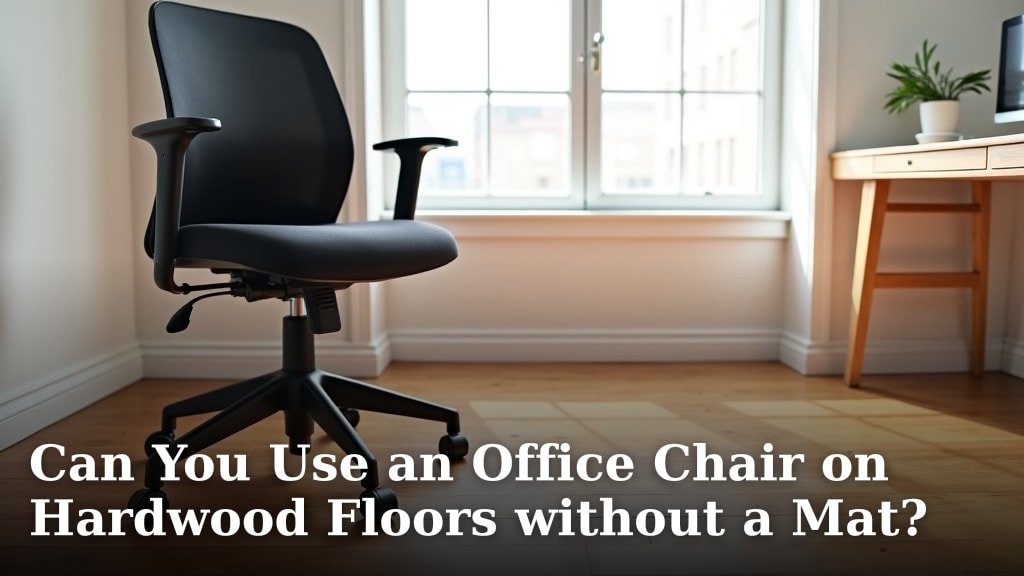
Yes, you absolutely can use an office chair on hardwood floors without a mat, but it often leads to damage over time. The wheels, or “casters,” on most office chairs can easily scratch and wear down your beautiful hardwood surface. We found that preventing damage often depends on the type of casters your chair has. Our guide to Hard Floor vs Carpet Casters explains the critical differences in wheel materials and designs for optimal floor protection.
Many people worry about their floors, and for good reason! Protecting your investment is smart. Standard plastic casters are usually the main culprits for scuffs and gouges. Luckily, there are simple solutions to keep your floors looking great, even without a traditional mat.
- Standard chair casters often harm hardwood.
- Soft, rubberized wheels are a great solution.
- Consider felt pads for stationary chairs.
- Regular cleaning prevents trapped debris from scratching.
- Floor mats offer the best protection.
Let’s explore how you can keep your hardwood floors pristine while still enjoying the comfort of your office chair.
Is Using an Office Chair on Hardwood Floors Without Protection a Good Idea?
No, generally it’s not a good idea if you want to keep your floors in top condition. Most office chair wheels are simply not designed for the delicate nature of hardwood.
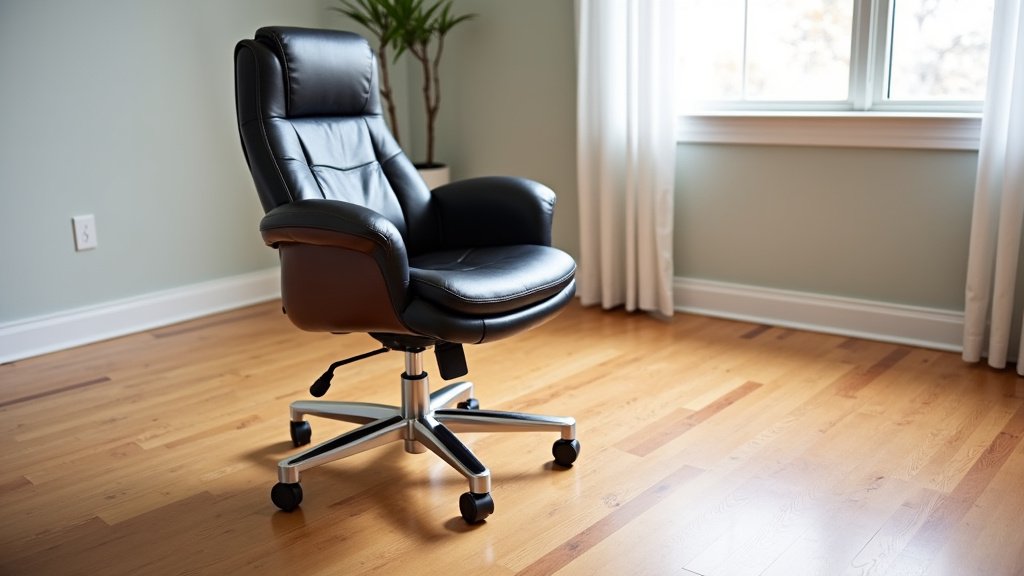
You’ve invested in beautiful hardwood floors, right? So, it makes sense to protect them. We found that the biggest issue comes down to the type of casters (that’s what we call the wheels) on your chair. Standard casters are often made of hard plastic. They might seem fine at first, but daily use can quickly lead to visible damage.
Think about the constant rolling, pivoting, and weight pressing down on those small, hard wheels. Over time, this pressure creates scratches, scuffs, and even dents in your floor’s finish. It’s like dragging fine-grit sandpaper across a polished surface, just slowly.
Understanding the Culprits: Why Standard Casters Are a Problem
What makes a standard office chair wheel so destructive to hardwood? It’s all about the material and the design. Most common office chairs come with wheels made from a material like nylon or hard plastic. These are great for carpets because they roll easily and don’t get bogged down.
However, that same hardness becomes a disadvantage on smooth, unforgiving surfaces like wood. We found that these casters don’t absorb impact well. Every time you shift your weight or roll, that force is transferred directly to your floor. This constant friction and pressure cause wear and tear.
Also, these hard wheels can sometimes pick up tiny pieces of grit or dust from the floor. Once embedded, these small particles act like miniature sandpaper, scratching your floor with every movement. It’s a double whammy for your beautiful wood.
The Hardness Factor
Have you ever noticed how some materials just feel “right” together, and others clash? Hard plastic casters and hardwood floors are a classic mismatch. We often see that the harder the wheel material, the greater the potential for floor damage. Imagine dragging a small, hard rock across your floor versus a soft, rubber ball. The difference is clear.
The Damage You Might See Over Time
If you choose to forgo protection, what kind of damage can you expect? The effects aren’t always immediate, but they tend to compound over months and years. You might start noticing a few tell-tale signs.
- Scratches: These are the most common and often appear as fine lines or deeper gouges. They can really detract from your floor’s appearance.
- Scuff Marks: These are surface-level marks that look like dark streaks. They can sometimes be buffed out, but they often require significant effort.
- Dents and Divots: If your floor is softer wood or has a thinner finish, the constant pressure from chair casters can actually create small indentations.
- Finish Wear: The protective layer on your hardwood (the finish) can gradually wear away in high-traffic areas, leaving dull spots.
This wear not only makes your floor look less appealing but can also reduce its lifespan. Repairing or refinishing hardwood floors can be a significant expense, so preventing damage is always the better route.
Smart Solutions: Protecting Your Hardwood Without a Traditional Mat
So, you want to protect your floors but aren’t keen on a bulky plastic mat? Good news! There are several effective strategies. Many of these solutions are simple to implement and won’t break the bank.
The key is to create a softer, gentler interface between your chair and the floor. This can involve changing the chair’s components or adding subtle layers of protection. We found that these options offer a great balance between floor safety and maintaining your room’s aesthetic.
Upgrading to Soft, Rubberized Casters
This is probably the most effective solution for direct chair-to-floor protection. Swapping out your hard plastic wheels for soft, rubberized casters is a game-changer. These casters are designed specifically for hard surfaces.
How do they work? The softer material provides better grip and glides smoothly over hardwood without scratching. They also help to absorb some of the impact, reducing the chance of dents. We found that many office chairs have universal stem sizes, making replacements easy. Just pop off the old ones and click in the new ones. You can learn how to replace office chair casters easily to upgrade your chair’s mobility and floor protection.
Many experts and users alike praise the effectiveness of these wheels (Office Ergonomics Review). They offer a noticeable improvement in both floor protection and how smoothly your chair moves.
| Caster Type | Material | Best For | Hardwood Floor Impact |
|---|---|---|---|
| Standard | Hard Plastic/Nylon | Carpet, Office Mats | High risk of scratches, scuffs, dents |
| Soft/Rubberized | Polyurethane/Rubber | Hardwood, Tile, Laminate | Minimal risk of damage |
Considering Felt Pads for Stationary Chairs
Do you have an office chair that rarely moves? Perhaps it’s a guest chair or one you use for brief periods. If your chair is more stationary, adhesive felt pads can be a good option. These are often used for furniture legs and can work on chair bases too.
Simply stick a felt pad to the bottom of each chair leg or wheel housing. This creates a soft barrier that prevents direct contact between hard plastic and your floor. However, a word of caution: felt pads can flatten or wear out over time, and if they get dirty, they can still scratch. They are best for chairs with very limited movement.
The Importance of Regular Cleaning
You might not think of cleaning as a protective measure, but it’s crucial when using an office chair on hardwood. Dust, dirt, and tiny debris are everywhere. These small particles can get trapped in your chair’s casters.
Once trapped, these particles act like tiny pieces of sandpaper, scratching your floor every time you roll. We’ve seen that even with the best casters, a dirty floor or dirty wheels can still cause damage. A quick, regular sweep or vacuum of your office area can significantly reduce this risk.
Don’t forget to periodically clean your chair wheels too. A damp cloth can easily wipe away accumulated dust and grit, keeping them smooth and harmless against your floor. This simple habit goes a long way in preserving your hardwood’s beauty.
When a Floor Mat Might Still Be Your Best Bet
While you can use an office chair on hardwood without a mat with the right precautions, sometimes a mat is still the most convenient and comprehensive solution. If you’re someone who rolls around a lot, or if you have a very expensive or delicate hardwood floor, a mat offers an extra layer of peace of mind.
There are many types of mats designed specifically for hardwood, often with an anti-slip backing. These mats disperse the weight, prevent any potential debris damage, and simply take the wear and tear so your floor doesn’t have to. It’s a set-it-and-forget-it type of protection.
Ultimately, your choice depends on your usage, your floor’s vulnerability, and your personal preference. But it’s good to know you have options beyond the traditional mat.
Checklist for Hardwood Floor Protection without a Mat:
- Upgrade Casters: Replace hard plastic wheels with soft, rubberized ones.
- Regular Cleaning: Keep your floor and chair wheels free of dirt and debris.
- Inspect Casters: Periodically check wheels for embedded grit or damage.
- Use Felt Pads (for stationary chairs): Apply adhesive felt pads if your chair rarely moves.
- Consider a Floor Finish Protector: Some products offer an extra layer of sacrificial protection for your floor.
Conclusion
Using an office chair on your hardwood floors doesn’t have to mean sacrificing their beauty. While standard casters pose a real threat, you have effective alternatives. Upgrading to soft, rubberized wheels is usually your best defense, offering excellent protection and smooth movement. Remember to also keep your floors and chair wheels clean to prevent grit from scratching. By taking these simple steps, you can enjoy the comfort of your office chair without the constant worry of damaging your valuable hardwood. Take action today to protect your investment!
Frequently Asked Questions
Are all office chair wheels interchangeable?
Most office chair wheels (casters) use a universal stem size, making them largely interchangeable. You can usually pop out the old ones and click in new ones without tools. However, it’s always a good idea to double-check your chair’s specific stem size before purchasing replacements.
How often should I clean my office chair wheels if I have hardwood floors?
We recommend cleaning your office chair wheels at least once a month, or more often if your workspace tends to get dusty. A quick wipe with a damp cloth removes accumulated dirt and debris. This prevents tiny particles from scratching your hardwood as you roll.
Can a clear office chair mat protect my hardwood without being an eyesore?
Yes, clear office chair mats are specifically designed to protect hardwood floors while blending into your decor. They offer a strong barrier against scratches and scuffs without hiding your floor’s natural beauty. Many are available with anti-slip backings to keep them in place.
Will using an office chair on hardwood without a mat void my floor’s warranty?
It’s possible. Some hardwood floor warranties specify that you must use protective measures, like mats, in high-traffic areas or under rolling chairs. Always check your specific flooring warranty documentation. Prevention with proper casters or a mat is usually the safest bet.
What material are “soft” casters made from for hardwood floors?
Soft casters designed for hardwood floors are typically made from materials like polyurethane or rubber. These materials are gentler and provide better grip on hard surfaces compared to the hard plastic or nylon used for standard casters. This softness helps prevent scratching and scuffing.