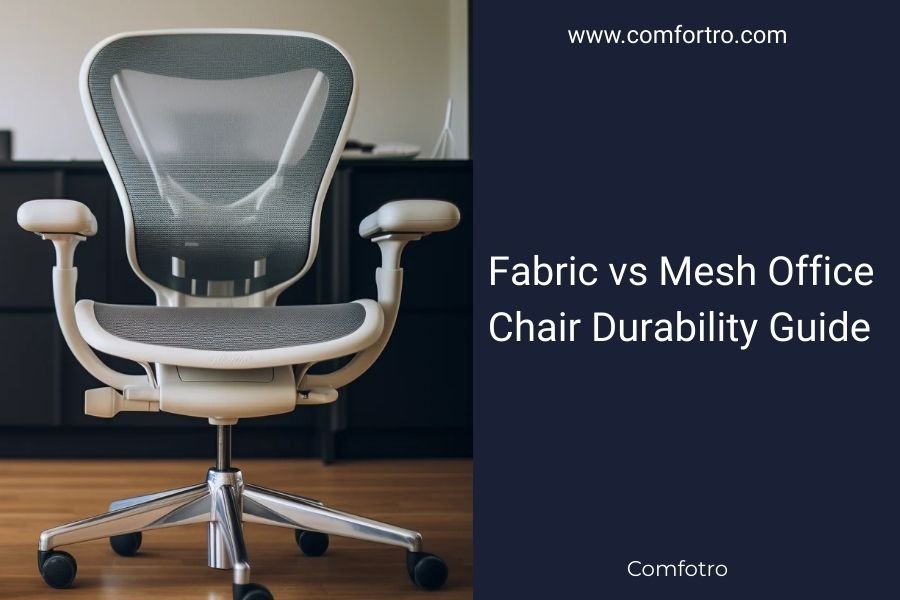
Mesh office chairs typically last 5-10 years with proper care, while fabric chairs can endure 7-15 years depending on material quality and usage patterns.
Your fabric vs mesh office chair durability choice depends on your work habits, climate, and maintenance preferences – both materials offer distinct advantages for long-term use.
Understanding Office Chair Material Lifespans
When you’re investing in an office chair, you want it to last. The material you choose affects how long your chair stays comfortable and functional.
From what I researched, most office workers replace their chairs every 7-10 years. But the right material choice can extend that timeline significantly.
What Makes Chair Materials Durable
Durability isn’t just about lasting long. It’s about maintaining support, comfort, and appearance over time.
Strong materials resist wear patterns. They bounce back from daily use. They handle spills and cleaning without breaking down.
Fabric Office Chair Durability Analysis
Fabric chairs offer solid longevity when you choose quality materials. The key is understanding which fabrics work best for office use.
High-Performance Fabric Options
Commercial-grade fabrics outperform standard upholstery by years. These materials resist fading, pilling, and tearing.
- Polyester blends handle daily friction well
- Nylon fabrics resist stains and moisture
- Wool blends offer natural durability and comfort
- Solution-dyed acrylics resist UV damage and fading
Fabric Wear Patterns You’ll Notice
Armrests show wear first, usually within 3-5 years of heavy use. Seat edges follow next, especially where your legs contact the chair.
Color fading happens gradually. You might not notice it until you compare your chair to a new one.
Fabric Chair Maintenance Requirements
Regular vacuuming keeps fabric chairs looking fresh. Weekly cleaning prevents dirt from settling deep into fibers.
Spot cleaning spills immediately saves your chair from permanent stains. Many experts recommend professional cleaning every 2-3 years for heavy-use chairs.
Common Fabric Chair Problems
Pills and fuzz balls appear on lower-quality fabrics within months. Thread pulls happen when sharp objects catch the weave.
Permanent stains from coffee, ink, or food can make chairs look worn before they actually break down.
Mesh Office Chair Longevity Factors
Mesh chairs bring different durability challenges. The material itself can last decades, but the support structure needs attention.
Mesh Material Strengths
Quality mesh resists most stains and odors naturally. It doesn’t fade like fabric does over time.
The open weave design means less surface area for wear patterns. Mesh chairs often look newer longer than fabric alternatives.
Types of Mesh Construction
Woven mesh uses interlaced fibers that distribute stress evenly. Knitted mesh stretches more but can develop runs if torn.
Elastomeric mesh combines synthetic materials for flexibility and strength. This type commonly lasts 8-12 years in office settings.
Mesh Chair Weak Points
Sharp objects can puncture or tear mesh more easily than thick fabric. Once torn, mesh damage spreads quickly.
The frame supporting the mesh often fails before the mesh itself. Plastic clips and mounting points crack under repeated stress.
Mesh Stretching Over Time
All mesh materials stretch with use. Quality mesh returns to shape when you get up. Lower-grade mesh stays stretched, losing support.
I found that mesh chairs lose about 10-15% of their original tension over 5 years of regular use.
Durability Comparison Breakdown
| Factor | Fabric Chairs | Mesh Chairs |
|---|---|---|
| Average Lifespan | 7-15 years | 5-10 years |
| Stain Resistance | Varies by treatment | Naturally high |
| Tear Resistance | Good with quality fabric | Lower than fabric |
| Maintenance Needs | Regular cleaning required | Minimal cleaning needed |
| Appearance Retention | Shows wear patterns | Stays looking newer |
Cost vs Durability Analysis
Higher initial costs often mean better durability. A $200 fabric chair typically lasts longer than a $100 mesh chair.
Quality mesh chairs cost more upfront but need less maintenance over time. Budget fabric chairs require replacement sooner.
Environmental Factors Affecting Chair Life
Your office environment plays a huge role in how long either material lasts. Hot, humid conditions affect both differently.
Climate Considerations
Mesh handles humidity better than most fabrics. It doesn’t trap moisture or develop odors in warm environments.
Fabric chairs in dry climates last longer. Low humidity prevents mold and mildew that can damage upholstery.
Sun Exposure Effects
Direct sunlight fades fabric chairs faster than any other factor. UV rays break down color compounds and weaken fibers.
Mesh materials resist UV damage better. The synthetic materials used in office mesh don’t degrade as quickly in sunlight.
Usage Patterns That Impact Durability
How you use your chair matters more than the material sometimes. Heavy users need different considerations than occasional sitters.
Heavy Use Scenarios
If you sit 8+ hours daily, mesh chairs might feel less supportive over time as they stretch. Fabric chairs maintain their shape better with constant use.
Frequent adjustments wear out mechanisms faster than the upholstery itself. Choose chairs with robust adjustment systems regardless of material.
Light Use Durability
Occasional-use chairs can last 15+ years regardless of material. The lack of daily stress keeps everything in better condition.
Guest chairs and meeting room seating often outlast daily-use chairs by 5-10 years.
Making Your Durability Decision
Choose fabric if you want maximum comfort and don’t mind regular cleaning. Go with mesh if low maintenance and cooling matter most to you.
Consider your replacement timeline. Planning to move or upgrade your office in 5 years? Either material works fine. Staying put for a decade? Lean toward quality fabric.
Budget-Based Recommendations
Under $200: Look for basic fabric chairs with good warranties. Cheap mesh won’t last as long.
$200-500: Both materials offer good durability. Choose based on comfort preferences.
Over $500: Premium versions of either material will serve you well for years.
Conclusion
Your fabric vs mesh office chair durability choice comes down to matching material strengths with your specific needs. Fabric chairs generally last longer with proper care, while mesh chairs require less maintenance but may need earlier replacement. Consider your usage patterns, environment, and maintenance preferences when deciding. Both materials can provide years of comfortable service when you choose quality construction and take basic care of your investment.
How often should I clean my mesh office chair?
Clean mesh chairs monthly with a damp cloth and mild soap. The open weave design prevents deep dirt buildup, so light cleaning keeps them fresh. Vacuum the mesh weekly to remove surface dust and debris.
Can fabric office chairs be reupholstered when they wear out?
Yes, most fabric office chairs can be reupholstered if the frame remains sturdy. This option costs 50-70% of a new chair but extends life by another 5-10 years. Choose this route for expensive chairs with good bones.
Which material works better for people with allergies?
Mesh chairs trap fewer allergens due to their open design and easy cleaning. Fabric chairs can harbor dust mites and pet dander even with regular vacuuming. People with sensitivities often find mesh more comfortable long-term.
Do mesh chairs lose support faster than fabric chairs?
Quality mesh maintains support well for 5-7 years before noticeable stretching occurs. Cheap mesh loses tension within 2-3 years. High-end fabric chairs typically maintain consistent support longer, often 8-12 years with normal use.
What warranty should I expect for durable office chairs?
Look for 5-year minimum warranties on quality office chairs regardless of material. Premium manufacturers offer 10-12 year warranties covering frame, mechanisms, and upholstery. Shorter warranties often indicate lower durability expectations.