Active sitting benefits include better posture, stronger core muscles, increased calorie burn, and reduced back pain compared to traditional sitting.
You can improve your health by using stability balls, balance boards, or wobble cushions that engage your muscles while you work.
Sitting all day wreaks havoc on your body. But what if I told you there’s a simple way to turn your workday into a mini workout? That’s where active sitting comes in.
Your regular office chair might feel comfortable, but it’s secretly sabotaging your health. Active sitting tools force your body to work, even when you’re parked at your desk for hours.
What Is Active Sitting?
Active sitting means using furniture that makes your muscles work while you sit. Instead of slouching in a regular chair, you engage your core and stabilizing muscles.
Think of it like this: regular sitting is like being a passenger in a car. Active sitting is like being the driver. Your body stays alert and engaged.
Common active sitting options include exercise balls, balance boards, wobble cushions, and specially designed chairs that move with you.
How Active Sitting Works
Your body naturally sways and adjusts when sitting on unstable surfaces. This constant micro-movement keeps your muscles active.
Research from the University of Wisconsin found that people using stability balls burned 4% more calories than those in regular chairs. That might not sound like much, but it adds up over eight hours.
Top Health Benefits of Active Sitting
Better Posture Without Thinking
Active sitting naturally improves your posture. You can’t slouch on an exercise ball without rolling off.
Your spine maintains its natural curve when you sit actively. Regular chairs let you sink into poor posture patterns.
Stronger Core Muscles
Your abs and back muscles work constantly during active sitting. It’s like doing gentle exercise all day long.
Studies show that using a stability ball for just two hours daily can improve core strength within weeks (American Council on Exercise).
Which Muscles Get Stronger?
- Abdominal muscles
- Lower back muscles
- Hip stabilizers
- Deep core muscles
Reduced Back Pain
Many people report less lower back pain after switching to active sitting. The constant movement prevents stiffness.
Your spine gets gentle movement throughout the day instead of being locked in one position. This keeps your joints healthy and flexible.
Increased Calorie Burn
Active sitting burns more calories than regular sitting. Every little bit helps when you’re trying to stay healthy.
The extra calorie burn comes from your muscles working to maintain balance. It’s not a huge difference, but it’s better than nothing.
Types of Active Sitting Solutions
Stability Balls
Exercise balls are the most popular active sitting option. They’re cheap, effective, and easy to try.
Choose a ball that lets your feet rest flat on the floor with your thighs parallel to the ground. Usually, this means a 65cm ball for most people.
Pros and Cons of Exercise Balls
| Pros | Cons |
|---|---|
| Inexpensive to try | Can roll away |
| Improves core strength | No back support |
| Easy to store | May cause fatigue |
| Encourages good posture | Not suitable for long periods |
Balance Board Chairs
These chairs sit on a curved base that rocks gently. You get the benefits of movement with more stability than a ball.
Balance board chairs often include back support, making them more comfortable for longer work sessions.
Wobble Cushions
Wobble cushions turn any chair into an active sitting option. They’re small, portable, and budget-friendly.
You can use them at home, in the office, or even in your car. They’re perfect for testing active sitting before buying bigger equipment.
Who Should Try Wobble Cushions?
- Office workers with regular chairs
- People who want to try active sitting first
- Those with limited space
- Anyone wanting a portable solution
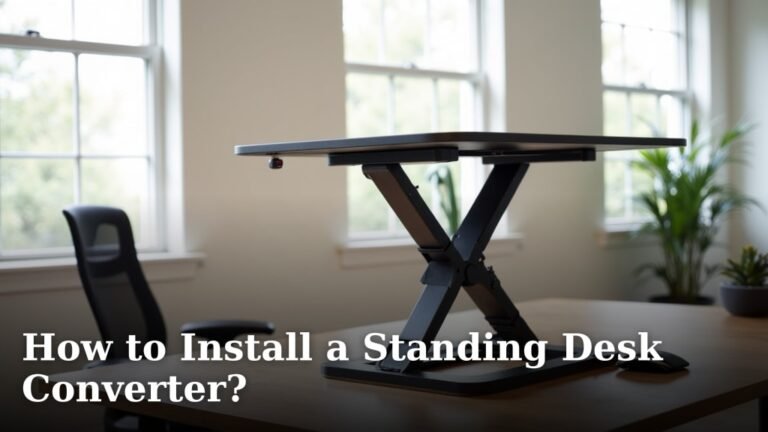
Standing Desk Converters with Balance
Some standing desk accessories include balance boards for your feet. These combine standing and active sitting benefits.
You can alternate between sitting, standing, and balanced standing throughout your day.
Getting Started with Active Sitting
Start Slow and Build Up
Don’t jump into active sitting for eight hours straight. Your muscles need time to adapt.
Start with 15-30 minutes at a time. Gradually increase as your body gets stronger and more comfortable.
Week-by-Week Progression
- Week 1: 15-20 minutes, 2-3 times per day
- Week 2: 30-45 minutes, 2-3 times per day
- Week 3: 1-hour sessions with breaks
- Week 4+: Longer periods as comfortable
Listen to Your Body
Some muscle fatigue is normal when starting active sitting. Sharp pain or severe discomfort isn’t.
If you feel tired, switch back to your regular chair for a while. Active sitting should challenge you, not hurt you.
Combine with Movement Breaks
Active sitting works best when combined with regular movement breaks. Stand up and walk around every hour.
Set reminders on your phone or computer. Your body will thank you for the variety.
Common Mistakes to Avoid
Using the Wrong Size Equipment
Size matters with active sitting tools. A ball that’s too big or small won’t give you proper benefits.
Your hips should be slightly higher than your knees when sitting. This promotes good posture and comfort.
Expecting Instant Results
Active sitting benefits build over time. Don’t expect to feel amazing after one day.
Give yourself at least 2-4 weeks to notice improvements in posture, core strength, and comfort.
Ignoring Proper Desk Height
Your desk height becomes more important with active sitting. Your arms should rest comfortably on your keyboard.
You might need to adjust your monitor height too. Good ergonomics still matter with active sitting.
Who Should Try Active Sitting?
Office Workers
If you spend most of your day at a desk, active sitting can break up the monotony. It’s perfect for people who can’t take frequent breaks.
People with Back Issues
Many people with chronic back pain find relief with active sitting. The constant movement prevents stiffness.
Always check with your doctor first if you have serious back problems. Active sitting isn’t right for everyone.
Fitness-Minded Individuals
If you’re already health-conscious, active sitting fits perfectly into your lifestyle. Every bit of movement counts.
When Active Sitting Might Not Work
During High-Focus Tasks
Some people find active sitting distracting during detailed work. The movement can break concentration.
Save active sitting for routine tasks like emails or data entry. Switch to a regular chair for complex projects.
If You Have Balance Issues
People with balance problems should be cautious with active sitting tools. Start with the most stable options.
Wobble cushions might be safer than exercise balls if you’re concerned about stability.
Making Active Sitting Stick
Set Realistic Expectations
Active sitting isn’t a magic cure for all desk job problems. It’s one piece of a healthy work setup.
Combine it with good lighting, proper monitor height, and regular breaks for best results.
Track Your Progress
Notice how you feel after a few weeks of active sitting. Are you less tired? Is your posture better?
Keep a simple log of your active sitting time and how you feel. This helps you find what works best.
Cost-Effective Ways to Try Active Sitting
Start with a Wobble Cushion
Wobble cushions cost less than $30 and work with any chair. They’re the perfect way to test active sitting.
Borrow or Buy Used
Exercise balls are common. Ask friends or check used sporting goods stores before buying new.
Many people buy exercise balls and never use them. You might find a great deal on a barely used one.
Conclusion
Active sitting offers a simple way to improve your health without changing your entire work routine. The benefits of better posture, stronger core muscles, and reduced back pain make it worth trying.
Start small with a wobble cushion or borrowed exercise ball. Build up your tolerance gradually and listen to your body. Remember that active sitting works best as part of an overall healthy work setup that includes regular breaks and proper ergonomics.
You don’t need expensive equipment or dramatic lifestyle changes. Sometimes the smallest adjustments make the biggest difference in how you feel at the end of a long workday.
Can active sitting replace regular exercise?
No, active sitting is not a substitute for regular exercise. While it burns slightly more calories and engages your muscles, you still need dedicated workout time for cardiovascular health and strength building.
How long should I use active sitting each day?
Start with 15-30 minute sessions and gradually work up to longer periods. Most people find 2-4 hours total throughout the day works well, alternating with regular sitting and standing breaks.
Will active sitting make me too tired to work?
Initially, you may feel some muscle fatigue as your body adapts. This usually improves within 1-2 weeks. If you feel excessively tired, reduce your active sitting time and build up more slowly.
Are there any risks to active sitting?
Active sitting is generally safe for most people. Those with balance issues, recent injuries, or chronic pain conditions should consult their doctor first. Poor form or overuse can cause muscle strain.
What’s the best active sitting option for beginners?
Wobble cushions are ideal for beginners because they’re inexpensive, work with existing chairs, and provide gentle instability. You can easily remove them if you need a break from active sitting.