To make a small home office look professional, focus on clever organization and thoughtful design choices. You can create a polished workspace by minimizing clutter, choosing smart furniture, and using lighting to your advantage. Even a tiny nook can feel like a dedicated professional zone.
Transforming a compact area into a productive office doesn’t require a massive budget or a full renovation. We found that strategic placement of items and a consistent color palette make a huge difference. Think about how each item contributes to both function and aesthetic.
- Declutter ruthlessly.
- Choose multi-functional furniture.
- Optimize lighting.
- Incorporate simple decor.
- Use vertical space wisely.
Ready to turn your small space into a professional powerhouse? Let’s walk through exactly how to achieve that.
Designing Your Small Home Office for a Professional Vibe
Transforming a compact area into a polished workspace is all about smart choices. We found that focusing on function and aesthetics equally creates a truly professional look.
Decluttering Your Workspace for Clarity
The first step to a professional look is often the hardest: decluttering. A clean space signals a clear mind, both for you and anyone seeing your office virtually.
The “One Year, One Touch” Rule
Go through everything. If you haven’t used an item in a year, or if it doesn’t serve a clear purpose, it probably doesn’t belong in your professional zone. This rule helps you be ruthless without feeling wasteful.
- Remove personal knick-knacks that don’t enhance professionalism.
- Shred old documents you no longer need.
- Digitize papers whenever possible to save physical space.
- Consolidate loose items into stylish storage containers.
Remember, less is more. Each item should earn its spot in your small office. What message does a crowded desk send?
Smart Furniture Choices for Compact Spaces
When square footage is limited, your furniture needs to work harder. Multi-functional pieces are your best friends.
Choosing the Right Desk
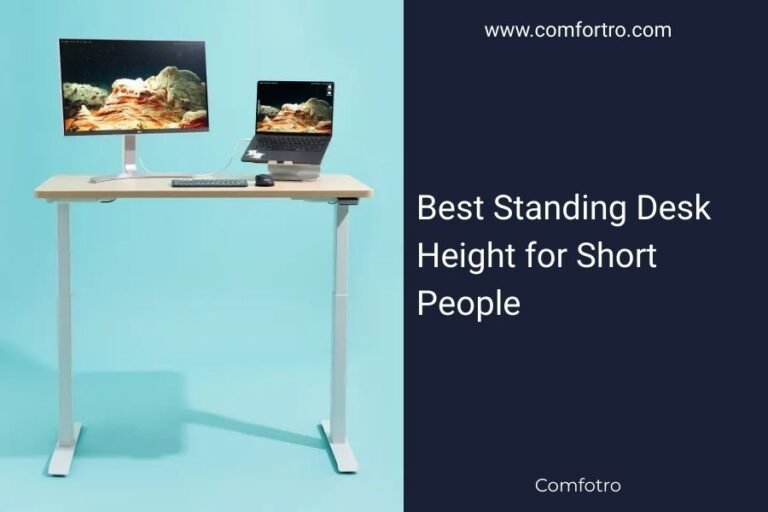
A slim-profile desk can make a huge difference. Consider desks that offer built-in storage or have a small footprint. A wall-mounted desk that folds away is excellent for truly tiny areas.
We found that a desk with clean lines, rather than ornate details, instantly looks more professional. Think minimalist design.
Ergonomic Seating is Key
Even in a small space, your chair matters. Invest in an ergonomic chair that supports your posture. It not only looks professional but also prevents discomfort during long work sessions (Occupational Safety and Health Administration).
Choose a chair that complements your desk and overall room aesthetic. A bulky, ill-fitting chair can make a small room feel even smaller.
Optimizing Lighting for Productivity and Appearance
Good lighting can dramatically change the feel of a room. It impacts your mood, your productivity, and how professional your space appears.
Layer Your Light Sources
Don’t rely on a single overhead light. We recommend layering your lighting for a well-lit and dynamic space.
- Ambient Light: General room illumination, usually from a ceiling fixture.
- Task Light: A desk lamp focused on your workspace to reduce eye strain.
- Accent Light: A small lamp or strip light to highlight decor or add warmth.
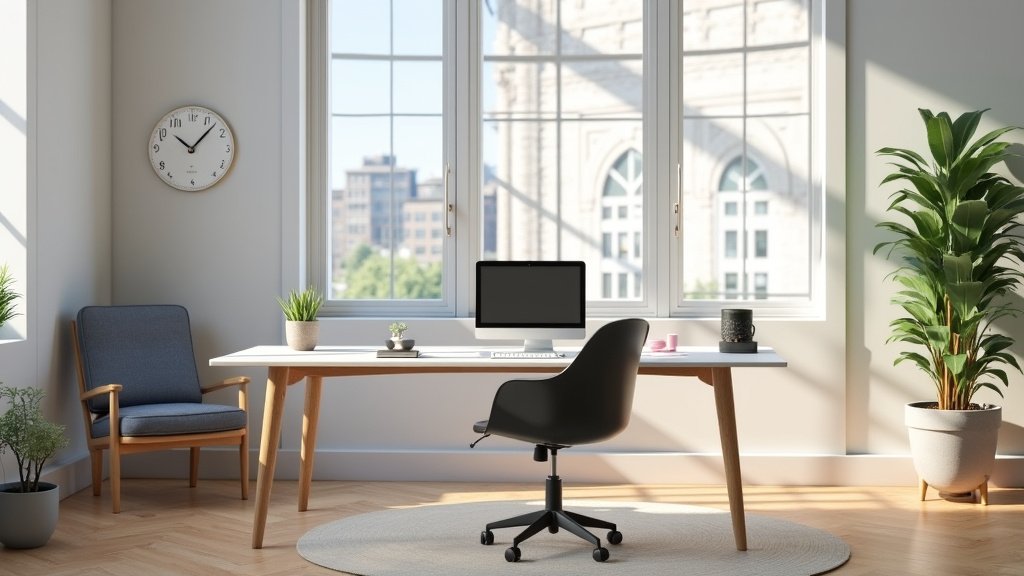
Natural light is always best. Position your desk near a window if possible, but avoid direct glare. Use sheer curtains to diffuse harsh sunlight.
Incorporating Professional Decor and Color Palettes
Decor in a small office should be purposeful. Every item should contribute to a professional, calm atmosphere.
Selecting a Cohesive Color Scheme
Stick to a neutral color palette for walls and larger furniture items. Think grays, whites, and soft beiges. These colors create a sense of calm and make a room feel larger.
You can add pops of color with accessories, like a plant pot or a framed print. But keep these accents minimal and intentional. Too many colors can make a small space feel chaotic.
Minimalist Wall Art and Greenery
Choose one or two pieces of simple, professional wall art. A framed motivational quote or an abstract print works well. Avoid overly personal photos or busy collages in your professional zone.
A small plant, like a snake plant or a ZZ plant, adds a touch of life and can even improve air quality (NASA Clean Air Study). Just one or two plants are enough to make an impact without cluttering your space.
Mastering Vertical Space and Storage Solutions
When you can’t build out, build up! Vertical storage is a game-changer for small offices.
Shelving and Wall-Mounted Units
Install floating shelves above your desk. These are perfect for books, files, and small decorative items. Wall-mounted organizers can hold pens, notepads, and other supplies, keeping your desk clear.
Consider a tall, narrow bookshelf if you have a little extra floor space. It offers significant storage without taking up too much width.
Hidden Storage for a Clutter-Free Look
Bins, baskets, and drawers are essential. Choose stylish options that blend with your decor. Store less-used items in lidded boxes to maintain a tidy appearance.
A filing cabinet on wheels that tucks under your desk is another smart option. Out of sight, out of mind – and out of the way!
| Space Challenge | Professional Solution |
|---|---|
| Limited Desk Area | Wall-mounted shelves, slim desk organizers |
| Visible Cables | Cable management sleeves, desk grommets |
| Lack of Natural Light | Layered lighting (task + ambient + accent) |
| Too Many Papers | Digitize, use vertical file holders, hidden storage bins |
| Small Room Feel | Light paint colors, mirror placement, minimalist decor |
Cable Management for a Polished Finish
Nothing detracts from a professional look faster than a tangled mess of wires. Taming your cables is crucial.
Organizing Your Wires
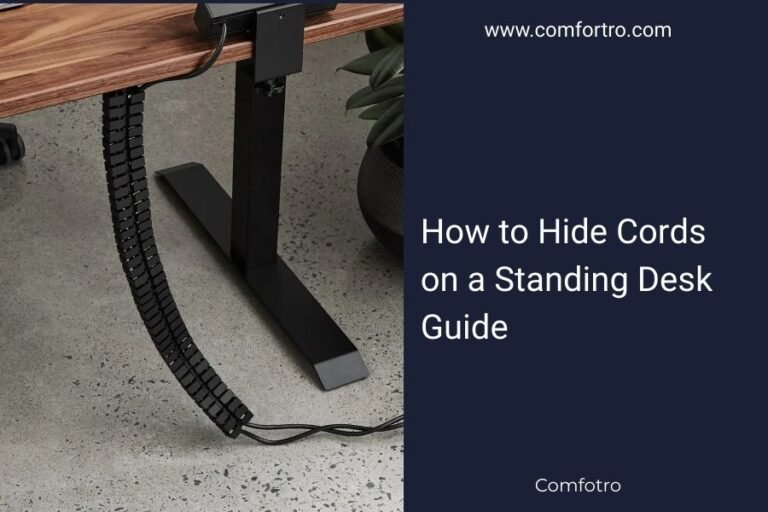
Use cable ties, sleeves, or cable management boxes. Route wires along the back of your desk or down a desk leg. Adhesive clips can secure them neatly to furniture.
Invest in a power strip with surge protection that can be hidden. Your goal is for wires to be seen as little as possible. This small effort makes a huge impact on perceived professionalism.
Checklist for a Professional Small Office
Ready to make your space shine? Here’s a quick checklist:
- Is your desk clear of non-essential items?
- Are your cables neatly managed and out of sight?
- Do you have adequate lighting for tasks and general ambiance?
- Are your storage solutions both functional and aesthetically pleasing?
- Does your decor feel minimal and intentional?
- Is your ergonomic chair supportive and well-integrated?
Conclusion
You now have a solid roadmap to create a professional small home office, even in the tightest spaces. Remember, it’s all about making smart, intentional choices. By decluttering your space, selecting multi-functional furniture, and optimizing your lighting, you’re building a foundation for success. Don’t underestimate the power of cable management and thoughtful decor to polish the look. We found that a well-designed small office not only looks impressive but also genuinely boosts your productivity and focus. Take these steps and transform your compact area into a workspace you’ll be proud to show off.
Frequently Asked Questions
How can I make my small office look bigger?
To make your small office feel more spacious, use light paint colors and minimalist furniture. Incorporate mirrors strategically to reflect light and create an illusion of depth. Keep clutter to an absolute minimum to avoid overwhelming the space.
What’s the best color scheme for a professional small office?
Neutral color palettes like grays, whites, and soft beiges work best for professionalism and to make a small room feel larger. You can add subtle pops of color through a single plant or a piece of framed art, but keep the overall scheme understated.
How do I hide wires and cables in a small office?
Cable management is key for a polished look. Use cable ties, sleeves, or adhesive clips to secure wires along the back of your desk or down its legs. Investing in a small cable management box can also keep power strips and excess cords out of sight.
Can I have plants in a professional small office?
Absolutely! A single, well-chosen plant like a snake plant or a ZZ plant can add life and freshness without cluttering. They contribute to a calm atmosphere and can even improve air quality. Just avoid too many or overly large plants.
What kind of lighting is essential for a small home office?
Layered lighting is most effective. You’ll want ambient light for general illumination, a dedicated task light (like a desk lamp) to prevent eye strain, and perhaps a small accent light for warmth. Natural light is also beneficial, so position your desk near a window if possible.