Best Desk Dimensions for Small Spaces Guide
On this page (9 sections)
The best desk dimensions for small spaces are 48 inches wide by 24 inches deep, which provides enough workspace while fitting comfortably in tight areas. If sewing is your main task, compare options in our sewing table dimensions guide.
Compact desks measuring 36-48 inches wide and 20-24 inches deep offer the perfect balance between functionality and space efficiency for most home offices.
Standard Desk Dimensions That Work in Small Spaces
Finding the right desk size can feel like solving a puzzle. You need enough room to work, but you don’t want your desk to take over your entire space.
I researched furniture standards and found that most small-space desks fall into these categories:
- Compact: 36″ wide x 20″ deep
- Standard small: 42″ wide x 22″ deep
- Generous small: 48″ wide x 24″ deep
The height stays consistent at 28-30 inches for most adults. This matches standard chair heights and keeps your arms at the right angle.
Why 48×24 Inches Works Best
This size gives you room for a laptop, notebook, and a cup of coffee. You won’t feel cramped, but you won’t overwhelm a small room either.
I found online that this dimension fits through most doorways and can squeeze into corners without blocking walkways.
Measuring Your Available Space
Before you fall in love with any desk, grab a tape measure. Here’s what you need to check:
Floor Space Requirements
Your desk needs breathing room. Add 3 feet behind the desk for your chair to pull out. Add 2 feet on at least one side for easy access.
So a 48-inch desk actually needs about 7 feet by 6 feet of floor space total.
Ceiling and Wall Clearance
Check for windows, outlets, and light switches. Your desk shouldn’t block these features.
Wall-mounted shelves above your desk need at least 18 inches of clearance from your head when seated.
Doorway and Hallway Access
Measure your doorways before ordering. Most doors are 30-32 inches wide. A 48-inch desk top needs to come apart or fit diagonally.
Different Desk Styles for Small Spaces
Not all desks are created equal. The style you choose affects how much space you actually get.
Corner Desks
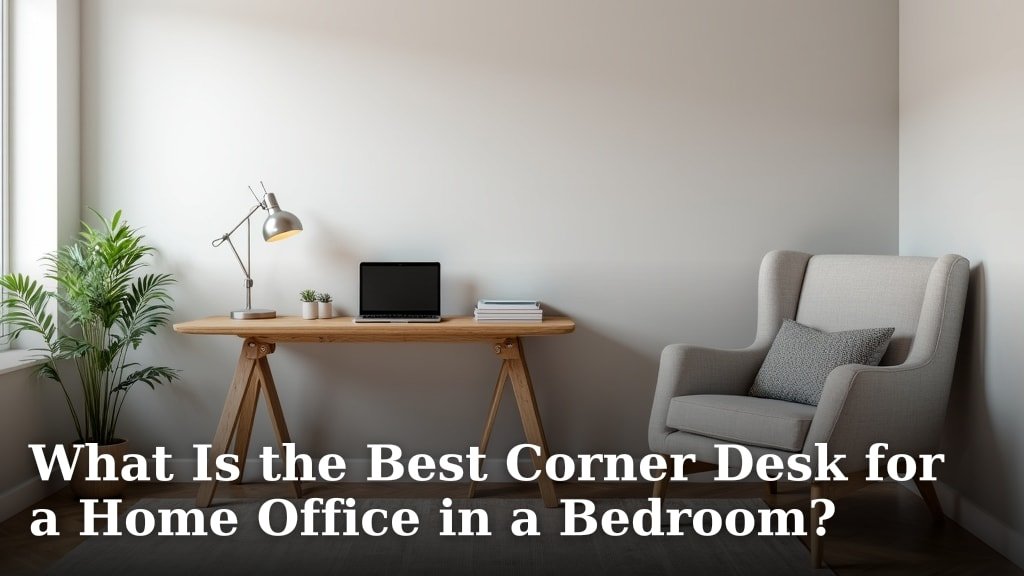
Corner desks maximize unused space. An L-shaped corner desk can give you 60+ inches of workspace while only using the room’s corner.
Many experts say corner desks work great in bedrooms or living rooms where you’re trying to tuck work space out of the way.
Typical Corner Desk Dimensions
- Left side: 48″ x 24″
- Right side: 30″ x 20″
- Corner connector: 24″ x 24″
Wall-Mounted Floating Desks
These desks attach directly to your wall. For installation details, see this Murphy desk installation guide. They take up zero floor space and can fold down when not in use.
I came across studies showing that floating desks work best at 36-42 inches wide. Any larger and the wall mounting becomes unstable.
Installation Requirements
You need to hit wall studs for support. Most floating desks need at least two studs, which are typically 16 inches apart.
Desk Height Considerations
Getting the height wrong can ruin even the best desk dimensions. Your elbows should bend at 90 degrees when typing.
Standard vs. Adjustable Heights
Fixed-height desks work for most people between 5’4″ and 6’0″. Outside that range, you might need adjustments.
Research from ergonomics experts suggests these ideal heights:
| Your Height | Ideal Desk Height |
|---|---|
| 5’0″ – 5’4″ | 26″ – 28″ |
| 5’5″ – 5’9″ | 28″ – 30″ |
| 5’10” – 6’2″ | 30″ – 32″ |
Adjustable Desk Benefits
Standing desks let you switch between sitting and standing. This variety helps with posture and energy levels throughout the day.
I found that most adjustable desks range from 28 inches to 48 inches high. That covers sitting to standing for most adults.
Storage Integration
Small spaces need smart storage. Your desk should work double duty.
Built-in Drawer Dimensions
Standard desk drawers add 2-3 inches to the overall height. They typically measure 12-15 inches deep and 20-22 inches wide.
File drawers need to be at least 12 inches deep to hold hanging folders properly.
Hutch and Shelf Options
A hutch adds 30-36 inches of height. Make sure your ceiling can handle it.
Open shelving above the desk keeps things accessible without the bulk of a full hutch.
Common Small Space Desk Mistakes
I researched common complaints and found these sizing errors happen often:
Going Too Small
A 30-inch desk sounds space-saving but leaves you cramped. You’ll end up working on your dining table instead.
Forgetting Chair Space
Your chair needs 24-30 inches to pull out completely. Many people forget this and end up hitting walls.
Ignoring Door Swing
Room doors need clearance to open fully. Position your desk so the door doesn’t hit it or your chair.
Budget-Friendly Sizing Options
You don’t need to spend a fortune to get good desk dimensions.
DIY Desk Solutions
A 48″ x 24″ butcher block top with hairpin legs costs much less than a full desk. If you refinish a top, follow this guide to sanding a desk top. You get custom dimensions without custom prices. For a wood surface, compare desk finish options before sealing it.
Repurposing Furniture
A dining table can work as a desk if it’s the right height. Console tables often have perfect small-desk proportions.
Multi-Purpose Desk Ideas
Small spaces need furniture that works hard. Your desk can serve multiple functions.
Desk-Dining Combinations
A 60″ x 30″ desk can double as a dining table for two. Just keep cables organized and surfaces clean.
Bedroom Desk Setup
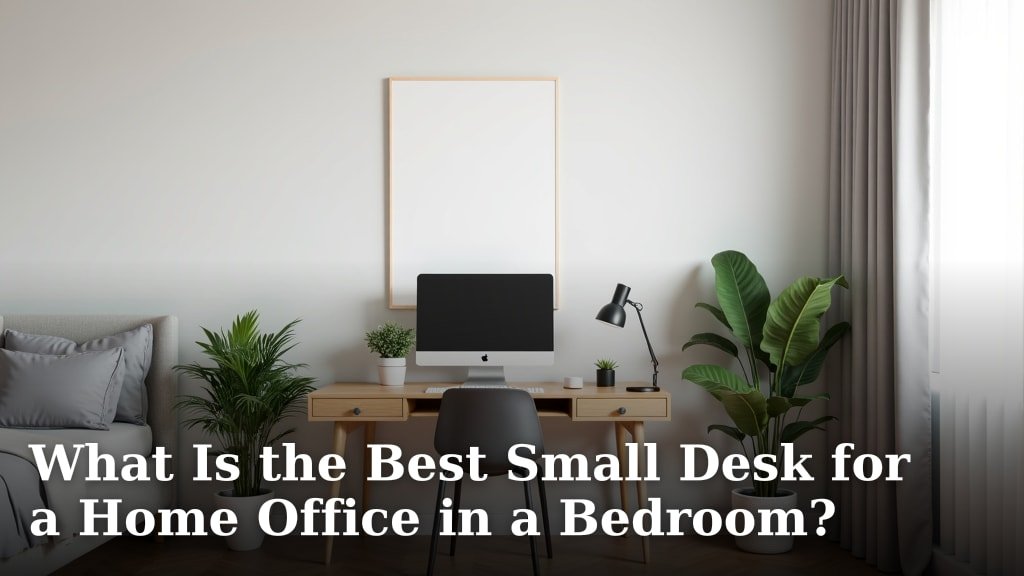
In bedrooms, a 42″ x 20″ desk fits at the foot of most beds without blocking movement around the room.
Conclusion
The best desk dimensions for small spaces balance workspace with room flow. A 48″ x 24″ desk hits the sweet spot for most people and spaces. Remember to measure your available space, account for chair clearance, and consider multi-purpose options. Your perfect small-space desk should feel spacious to work at while leaving room to live comfortably in your space.
What’s the minimum desk width for a laptop and notebook?
You need at least 36 inches of width to comfortably use a laptop with a notebook beside it. Anything smaller feels cramped and limits your productivity.
Can a corner desk work in a 10×10 room?
Yes, a corner desk actually works great in a 10×10 room because it uses the corner space efficiently while leaving the center open for other furniture and movement.
How much space should I leave behind my desk?
Leave at least 36 inches behind your desk for your chair to pull out and for you to stand up comfortably. Less space makes the area feel tight and awkward to use.
Are standing desk converters good for small spaces?
Standing desk converters work well if you already have a desk that fits your space. They add height options without requiring you to replace your entire setup.
What desk depth works best for dual monitors?
You need at least 30 inches of depth for dual monitors to maintain proper viewing distance. Most small-space desks at 24 inches deep will position screens too close to your face.