What Is the Best Office Chair for Petite People?
On this page (3 sections)
Finding the best office chair for petite people means looking for models with adjustable features that fit smaller frames. Petite gamers can also compare gaming chairs for petite people. You need a chair that supports your posture and prevents discomfort, which often means a shorter seat depth and adjustable lumbar support. Don’t settle for a chair that feels too big; your comfort is key!
Many standard office chairs are built for average-sized individuals, leaving petite users struggling with ill-fitting seating. This can lead to back pain and poor circulation. We found that chairs designed with ergonomic adjustments for smaller bodies can make a huge difference in your workday. These often include features like lower backrest height and a smaller overall footprint.
- Look for adjustable seat depth.
- Prioritize adjustable lumbar support.
- Consider the chair’s overall size and footprint.
- Check for adjustable armrest height.
- A waterfall seat edge can help circulation.
Below, we’ll guide you through the essential features and specific chair recommendations that truly cater to petite body types, so you can finally find your perfect ergonomic match.
Finding the Perfect Ergonomic Chair for Shorter Individuals
So, you’re petite and tired of office chairs that feel like you’re drowning in fabric? We get it. Finding an office chair that fits your frame can feel like searching for a needle in a haystack. Standard chairs are often designed for a 5’10” person, leaving shorter individuals with their feet dangling and their backs unsupported. But don’t worry! We’ve researched what makes a chair truly work for smaller bodies. The best office chairs for petite people are all about smart adjustments and thoughtful design. You deserve to be comfortable and supported throughout your workday.
Understanding Your Ergonomic Needs
When you’re shorter, certain aspects of a standard office chair can cause real problems. You might feel like you’re sliding forward because the seat is too deep. Or perhaps the lumbar support hits you in the wrong spot, causing more pain than relief. We’ve found that petite users often need chairs with a shorter seat depth and a more adjustable backrest. It’s about finding a chair that cradles you, not one that overwhelms you.
Seat Depth: The Unsung Hero
This is perhaps the most critical feature for petite individuals. A seat that’s too deep means you can’t get close enough to the backrest. This can lead to poor posture and strain on your thighs. We found that a seat depth of 16 inches or less is often ideal. Some chairs even offer an adjustable seat depth, which is fantastic. This feature lets you slide the seat pan forward or backward to get the perfect fit.
Lumbar Support: It Needs to Be in the Right Place
Everyone needs lumbar support, but for petite users, the location and adjustability are key. If the lumbar curve is too high, it pushes your lower back forward unnaturally. We’ve seen many chairs where the lumbar support is fixed and just doesn’t align with a smaller spine. Look for chairs with adjustable lumbar support. This means you can move it up or down, and sometimes even in or out, to hit that sweet spot in your lower back.
Backrest Height and Seat Height
A backrest that’s too tall can be distracting and uncomfortable. You want it to support your mid-back, not your shoulder blades. Similarly, seat height is crucial for proper leg positioning. We found that the ability to lower the seat height significantly is essential. Ideally, your feet should rest flat on the floor, with your knees at about a 90-degree angle. A good footrest can also be a lifesaver if the lowest seat setting is still a bit too high.
Key Features to Look For in Petite-Friendly Chairs
Beyond the basics, there are a few other features that can make a big difference. When we looked at chairs that users with smaller frames loved, these aspects consistently came up. Think of these as your checklist for finding that ideal fit. Your comfort and health are worth paying attention to these details. You’ll thank yourself later!
Adjustable Armrests: Not Just for Arm Comfort
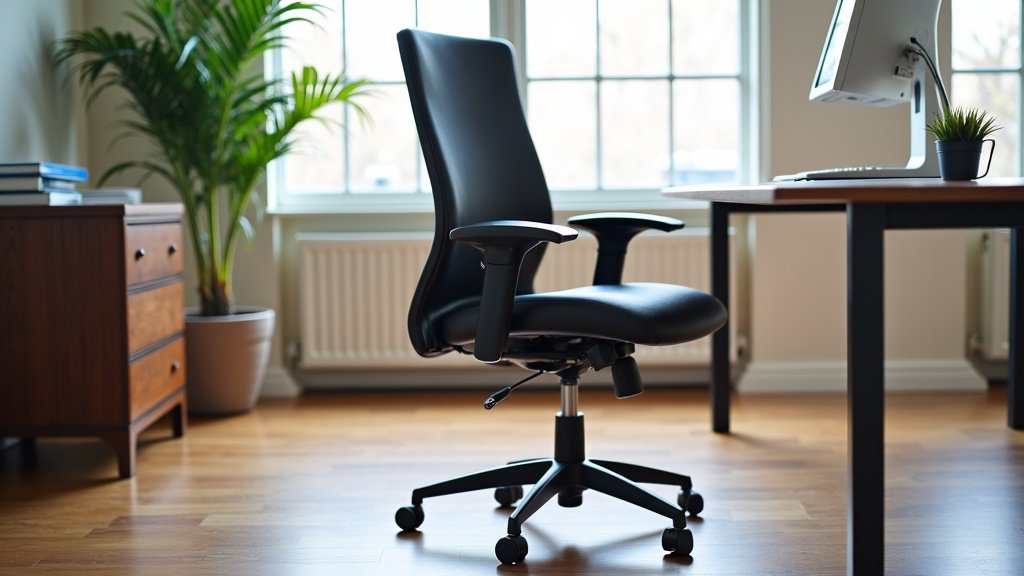
Armrests are more than just a place to rest your arms. They help support your shoulders and neck. For petite individuals, adjustable armrests that can be lowered sufficiently are vital. If the armrests are too high, they force your shoulders up, leading to tension. Look for armrests that adjust in height, and ideally, pivot inward. This allows you to position them perfectly, whether you’re typing or just taking a moment to relax.
Waterfall Seat Edge: Better for Circulation
This might sound like a small detail, but a waterfall seat edge can greatly improve comfort. It’s the rounded edge at the front of the seat. A pronounced curve here reduces pressure on the back of your thighs. This can help improve blood circulation, preventing that numb or tingly feeling that can occur on longer sitting sessions. For petite individuals who might already struggle with seat depth issues, this feature is a real bonus.
Chair Size and Footprint
Sometimes, it’s not just about the adjustments; it’s about the overall size of the chair. A chair with a massive base or oversized seat can just feel overwhelming on a smaller frame. We found that chairs with a smaller overall footprint and a more compact design often work better. This means less wasted space and a chair that feels proportionate to your body.
Comparing Top Chair Types for Petite Users
Not all office chairs are created equal, especially when it comes to accommodating different body types. Some chair designs are inherently more adaptable than others. Let’s break down a few popular types and see how they stack up for shorter individuals.
Task Chairs vs. Executive Chairs
Generally, task chairs are more versatile for petite users. They tend to have a wider range of adjustments and a more streamlined design. Executive chairs, often larger and more plush, can sometimes feel like you’re sinking into them. While comfort is subjective, task chairs usually offer better ergonomic control for smaller frames. We recommend prioritizing a good task chair over a bulky executive one.
Ergonomic vs. Standard Chairs
This is a no-brainer. Ergonomic chairs are specifically designed with adjustability in mind. They are built to support your body in a healthy posture. Standard chairs often lack the nuanced adjustments needed for a perfect fit. If you spend hours at your desk, investing in an ergonomic chair is like investing in your own well-being. Many ergonomic chairs are now designed with a variety of users in mind, including those with smaller statures.
Specialty Chairs for Petite Users
The good news is that some manufacturers are starting to recognize the need for chairs specifically designed for petite or shorter individuals. These chairs often have a reduced seat depth, lower backrest height, and a full range of ergonomic adjustments built-in from the start. Use our petite chair dimensions guide to check fit before buying. We’ve seen a growing number of positive reviews for these types of chairs. They take the guesswork out of finding the right fit.
| Feature | Ideal for Petite Users | Why It Matters |
|---|---|---|
| Seat Depth | Adjustable or 16 inches or less | Prevents sliding, allows proper back support. |
| Lumbar Support | Adjustable height and depth | Supports the natural curve of the lower back. |
| Seat Height | Low setting allows feet flat on floor | Ensures proper knee angle and circulation. |
| Armrest Height | Adjustable down to a comfortable level | Reduces shoulder and neck strain. |
| Backrest Height | Proportionate to user’s torso | Provides support without being overwhelming. |
| Waterfall Seat Edge | Rounded front edge | Improves leg circulation and reduces pressure. |
Putting It All Together: Your Checklist for Success
Finding the right chair can feel like a big task, but by focusing on these key features, you’ll be well on your way. Remember, your comfort and health are what matter most. A chair that fits you properly can transform your workday from uncomfortable to enjoyable. We’ve put together a quick checklist to guide you:
- Check Seat Depth: Ensure it’s adjustable or 16 inches or less.
- Verify Lumbar Support: Confirm it’s adjustable for your lower back.
- Test Seat Height Range: Make sure it lowers enough for your feet to be flat.
- Look at Armrest Adjustability: Can they go low enough to relax your shoulders?
- Consider Overall Chair Size: Does it feel proportionate to your body?
- Read Reviews for Petite Users: See what others with similar frames say.
Conclusion
Finding the best office chair for your petite frame is all about prioritizing smart, adjustable features. You learned that key elements like shorter seat depth, adjustable lumbar support, and proper seat height are essential for comfort and health. Don’t let a standard chair dictate your workday; seek out a model that fits your unique body. Your next step is to use this knowledge to confidently shop for a chair that supports you. You deserve to feel great while you work!
Frequently Asked Questions
Can a standard office chair work for a petite person?
A standard office chair might work if it has sufficient adjustability. However, we found that chairs built with smaller frames in mind often offer a better fit. Look for adjustable seat depth and lumbar support to customize it for your body.
What’s the most important feature for petite office chairs?
The seat depth is often the most critical feature. For petite individuals, a seat depth of 16 inches or less is usually ideal. This ensures you can sit back fully and receive proper back support without feeling like you’re sliding off the front.
How do I know if the lumbar support is right for me?
You’ll know lumbar support is right if it comfortably curves into your lower back without pushing it unnaturally forward. We recommend looking for chairs with adjustable lumbar support that you can move up, down, and sometimes in or out to find your perfect spot.
Are there chairs specifically made for petite people?
Yes, the market is growing for chairs designed with petite users in mind. These often come with built-in features like a reduced seat depth and a lower backrest height. They can take the guesswork out of finding a good fit.
What if a chair’s lowest seat height is still too high for my feet?
If the lowest seat setting still leaves your feet dangling, a good ergonomic footrest is a fantastic solution. This will allow you to achieve the proper 90-degree angle at your knees, improving circulation and posture.