Ergonomics and Wellness
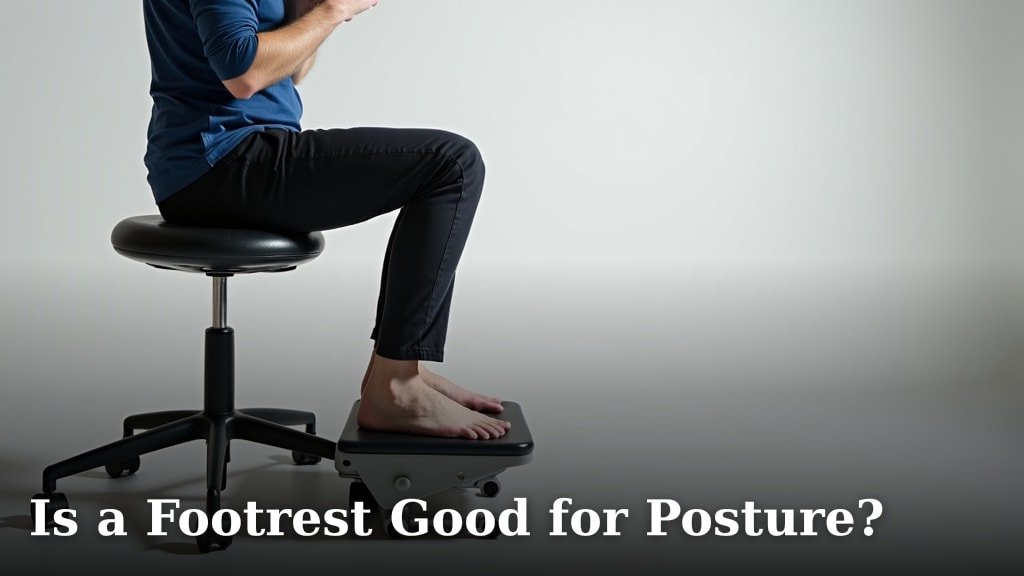
Is a Footrest Good for Posture?
Discover if a footrest is good for posture. Learn how proper foot placement can improve your alignment and alleviate discomfort.
Find posture, pain relief, movement, eye comfort, and healthy desk work advice.
Discover if a footrest is good for posture. Learn how proper foot placement can improve your alignment and alleviate discomfort.
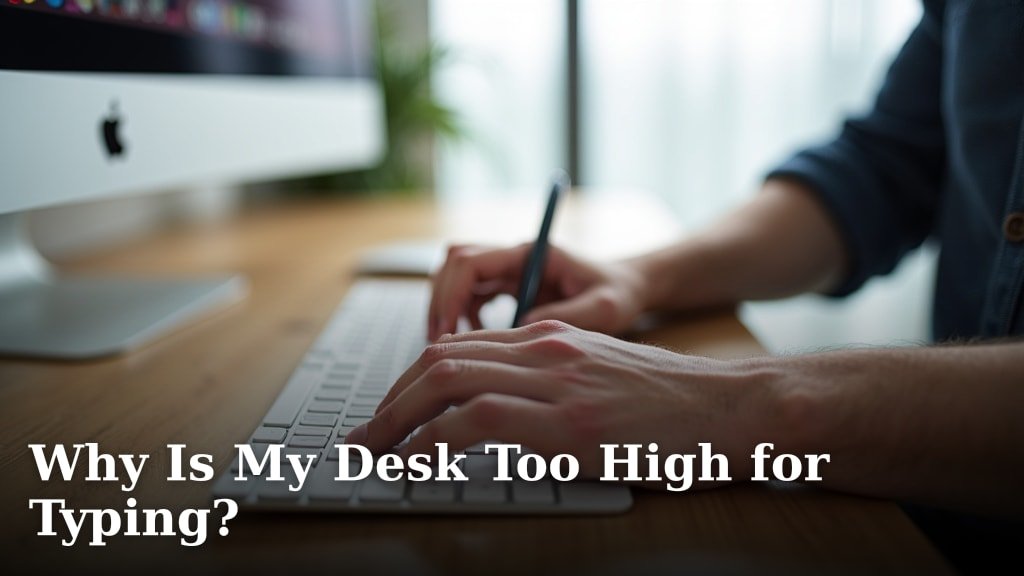
My desk too high for typing: is your desk too high for typing? learn about common causes, from standard desk heights to ergonomic mistakes, and learn how to.
Discover the benefits of a footrest at your desk. Learn how it improves posture, reduces fatigue, and boosts productivity for a healthier workday.

Find the best footrest for your gaming setup to boost comfort and enhance your play. Discover top options and tips for the perfect fit.
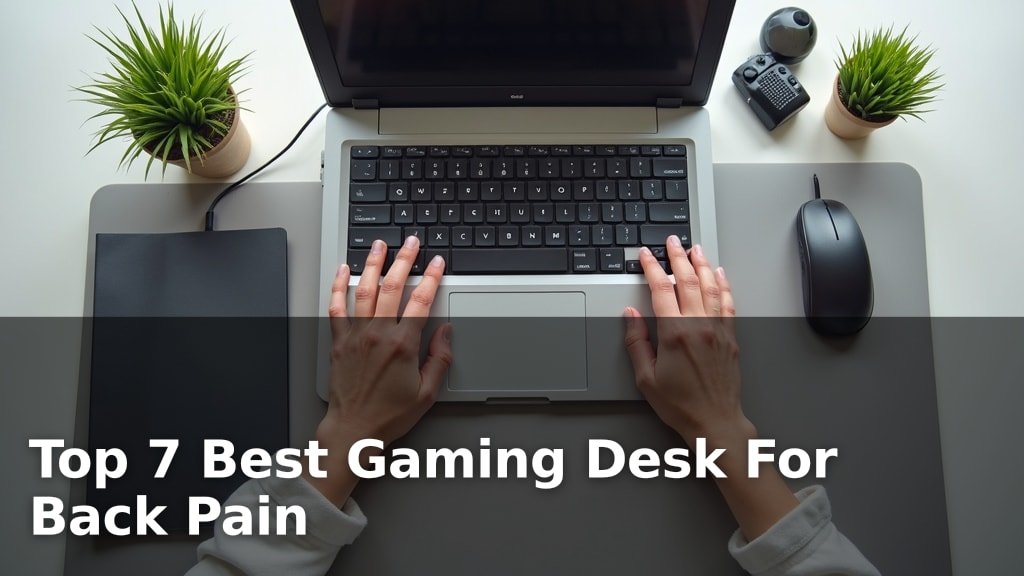
Compare gaming desk for back pain options by fit, comfort, and useful features. See what to check before choosing a model for your space and daily needs.
Discover the 7 best writing desks for back pain. Our fresh, hands-on picks offer ergonomic support to improve your posture and comfort.
Discover the top 7 best computer desks for back pain in our fresh, hands-on review. Find the perfect ergonomic desk to support your posture and comfort.
Discover the 7 best L-shaped desks for back pain. Our fresh, hands-on picks will help you find the perfect ergonomic solution for your workspace.
Discover the 7 best corner desks for back pain. Our hands-on review helps you find the perfect ergonomic solution for a healthier workspace.
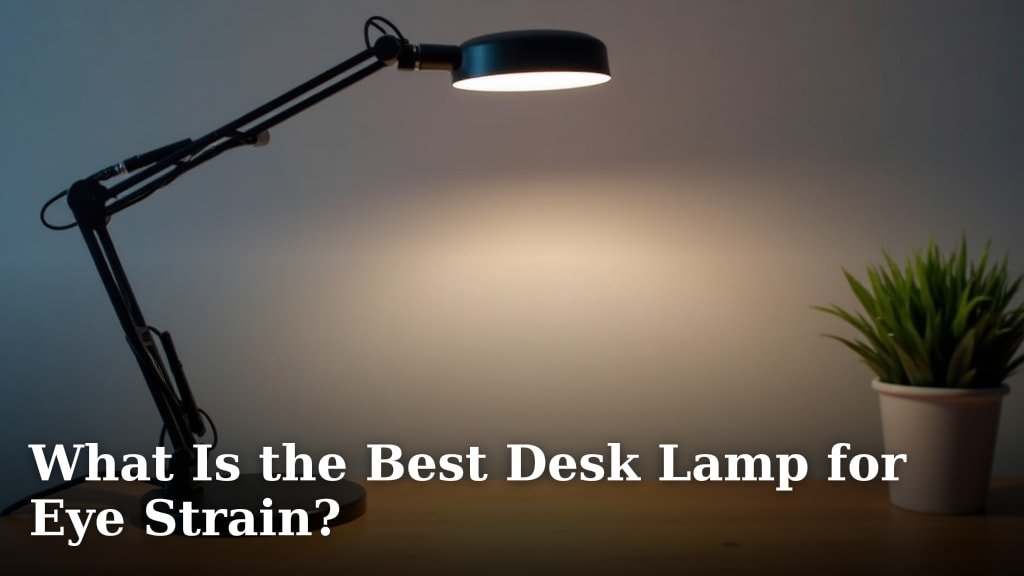
Find the best desk lamp for eye strain with our comprehensive guide. Learn which features reduce glare and flicker, promoting healthier vision and comfort.

Sitting vs. standing at work: discover the health benefits and drawbacks of each. We'll help you optimize your workday for better well-being.

Considering a glass desk to alleviate back and neck pain? Discover how to choose the best glass desk for your ergonomic needs and comfort.

Find the best writing desk for back and neck pain. This guide covers ergonomic features and setups to help you work comfortably and prevent discomfort.
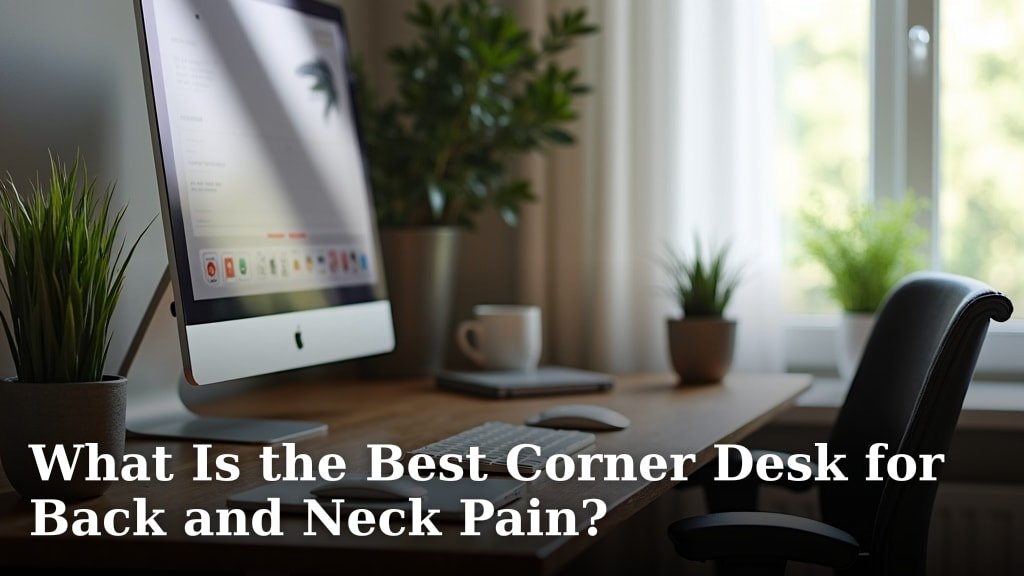
Discover the best corner desk for back and neck pain. Learn how desk features impact posture and find your ideal ergonomic workspace.
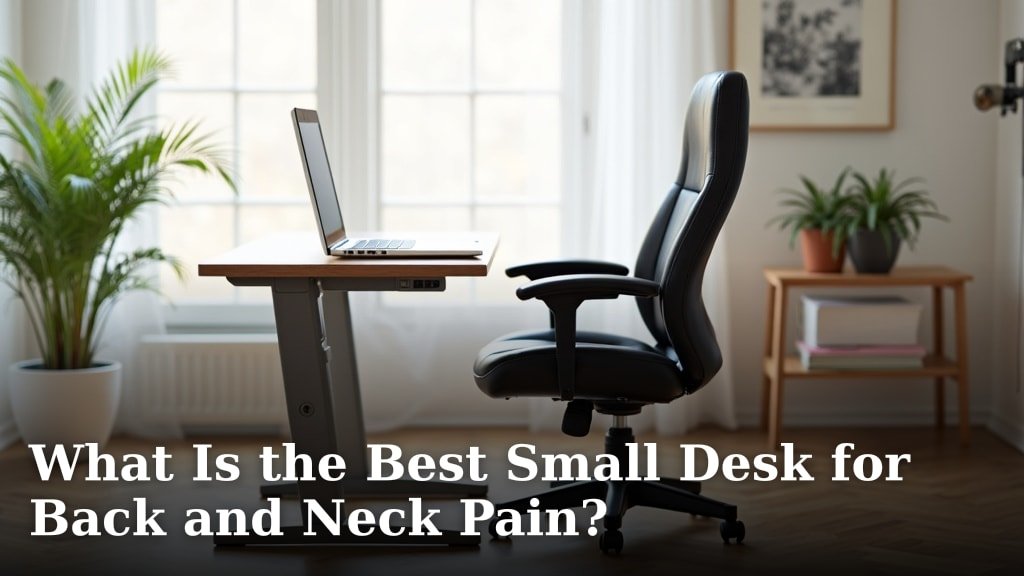
Discover the best small desk for back and neck pain. Learn features to look for and make an informed choice for improved comfort and posture.

Find the best gaming desk for back and neck pain with our guide. Learn what features reduce discomfort and improve your posture for longer, healthier gaming.

Find the best computer desk for back and neck pain. Learn how to choose ergonomic desks that support posture and relieve discomfort, improving your workday.

Find the best L-shaped desk for back and neck pain with our guide. Discover ergonomic features and designs that promote better posture and comfort.
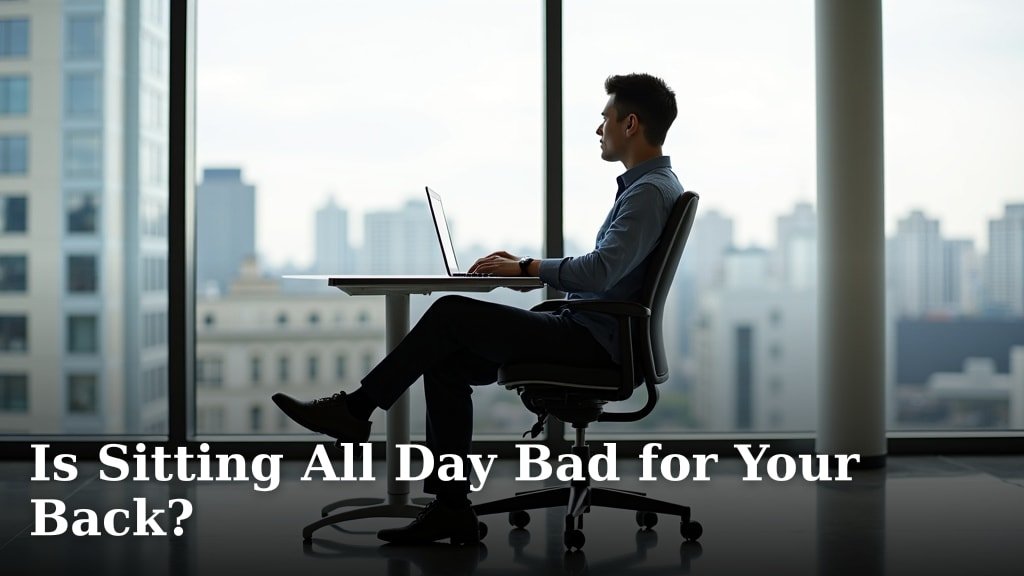
Is sitting all day bad for your back: ? Learn how prolonged sitting impacts your spine, learn about common issues, and find practical ways to protect your back.

Set up an ergonomic home office: optimize your home office for comfort & health. Learn how to with tips for your chair, desk, and monitor, improving your.
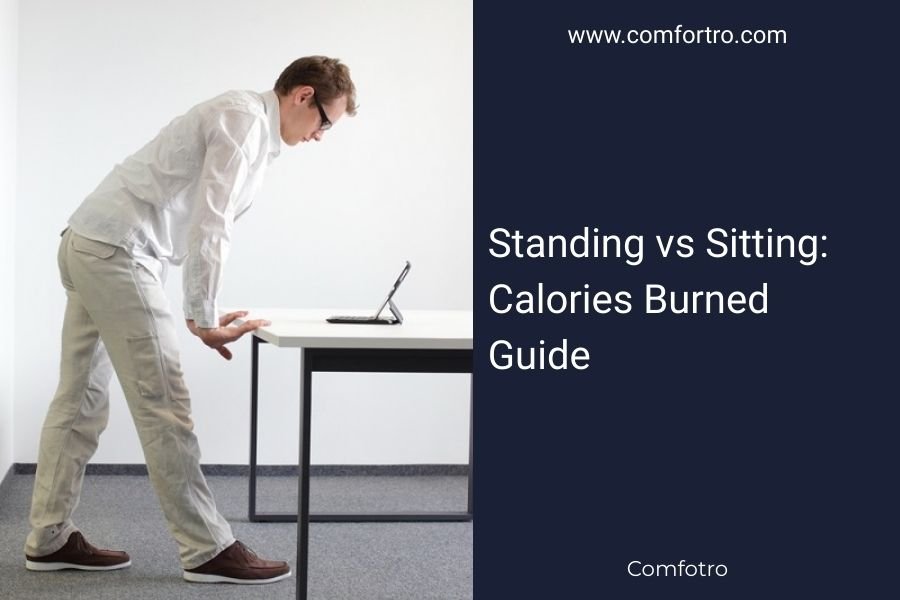
Standing burns 50% more calories than sitting - approximately 88 calories per hour versus 60 calories per hour for the average person.
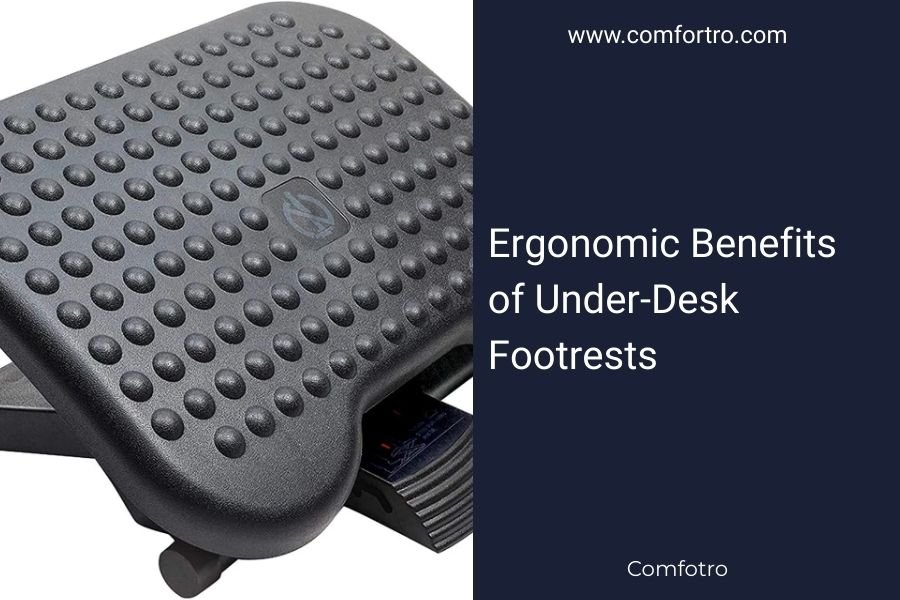
Under-desk footrests improve posture by supporting your feet at the right angle and reducing strain on your legs and lower back.

To sit at a desk properly, keep your feet flat on the floor, your back against the chair, and your computer screen at eye level. Good posture reduces neck
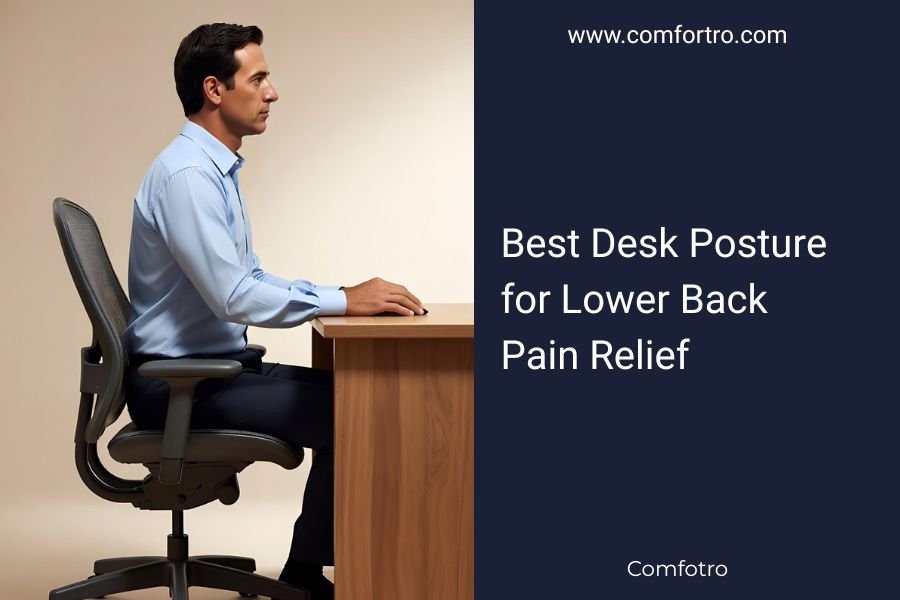
The best desk posture for lower back pain relief involves sitting with your feet flat on the floor, back straight against your chair, and computer screen at

The correct elbow angle for typing is 90 degrees, which keeps your arms relaxed and reduces strain on your shoulders and wrists.
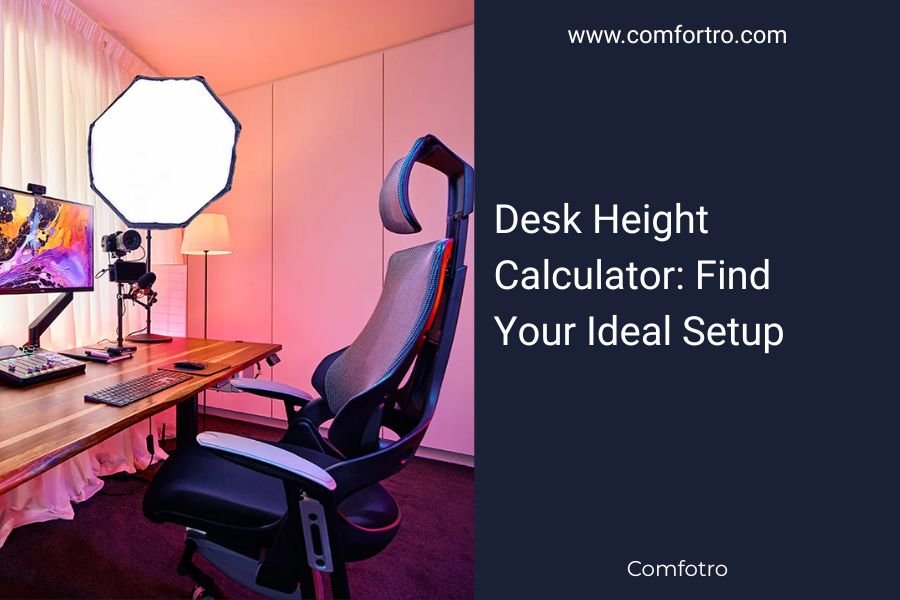
Your desk height calculator shows the perfect setup when your elbows form a 90-degree angle while typing, with feet flat on the floor.
Heated desk pads are generally safe when used properly, but they can pose risks like burns, electrical hazards, and fire if misused or defective.
A desk hammock for feet reduces leg strain, improves circulation, and provides comfort during long work sessions by elevating your feet in a natural resting
Under desk ellipticals provide a gentler, low-impact workout that's easier on joints, while under desk bikes offer a more familiar cycling motion with
Under desk bike resistance types include magnetic, friction, and air resistance, with magnetic being the quietest and most popular choice for office
Quick meditation at your desk can reduce stress and boost focus in just 3-5 minutes using simple breathing and mindfulness techniques.
The best healthy snacks to keep in your desk include nuts, fresh fruits, whole grain crackers, and protein bars with minimal added sugar.
Busy office workers should drink 8-10 glasses of water daily and keep a water bottle at their desk to stay properly hydrated during long work hours.
Benefits of compression socks for desk work: compression socks for desk work improve blood circulation in your legs and reduce swelling during long sitting.
You should wear a wrist brace for typing if you experience wrist pain, tingling, or numbness during computer work, as it helps maintain neutral wrist
If you have sciatica, sitting with your knees slightly higher than your hips and your feet flat on the floor helps reduce nerve pressure. The best office
Active sitting benefits include better posture, stronger core muscles, increased calorie burn, and reduced back pain compared to traditional sitting.
Glute amnesia? fixes for desk workers: glute amnesia is when your glute muscles shut down and stop working properly from sitting too long. Your body forgets.
Hip flexor stretches for people who sit a lot include the kneeling hip flexor stretch, standing hip flexor stretch, and couch stretch performed 2-3 times daily.
Upper back pain at work comes from hunched shoulders, forward head posture, and tight muscles from sitting too long. Simple stretches like shoulder blade
The best desk exercises for legs while working include ankle circles, seated calf raises, leg extensions, and heel-toe taps that can be done quietly without
NEAT activity helps you burn 15-50% more calories throughout your workday without formal exercise. Simple movements like fidgeting, standing, and stretching
Sitting disease? health risks explained: sitting disease is the negative health effects caused by prolonged sitting and physical inactivity throughout the day.
The 20-20-20 rule helps prevent digital eye strain by taking a 20-second break every 20 minutes to look at something 20 feet away.
Computer eye strain symptoms include dry eyes, blurred vision, headaches, neck pain, and difficulty focusing after extended screen time.
Text neck exercises can relieve desk-related neck pain in just 5-10 minutes daily through simple stretches and strengthening movements.
Cubital tunnel syndrome: office prevention tips: cubital tunnel syndrome happens when your ulnar nerve gets compressed at your elbow, causing tingling and.
Five effective carpal tunnel exercises for desk workers include nerve glides, wrist stretches, tendon glides, prayer stretches, and median nerve mobilization.
Working from bed ergonomics requires proper pillow support for your back, a stable surface for your laptop, and frequent position changes to prevent strain.
To keep your legs warm at your desk, use a small space heater, wear thermal leggings or thick pants, and place a blanket over your lap while working.
Thoracic support refers to targeted back support that helps maintain proper alignment and reduces strain in your upper and middle back area, particularly the
Ergonomic certification is a third-party validation that confirms furniture meets specific standards for supporting healthy body posture and reducing physical
The best essential oils for focus and productivity are peppermint, rosemary, lemon, and eucalyptus, which research shows can improve mental clarity and
Floating hands while typing is generally better for your wrist health than using a wrist rest, as it maintains proper alignment and prevents compression of
Eye strain affects up to 90% of desk workers who spend more than three hours daily looking at screens, causing headaches, dry eyes, and blurred vision.
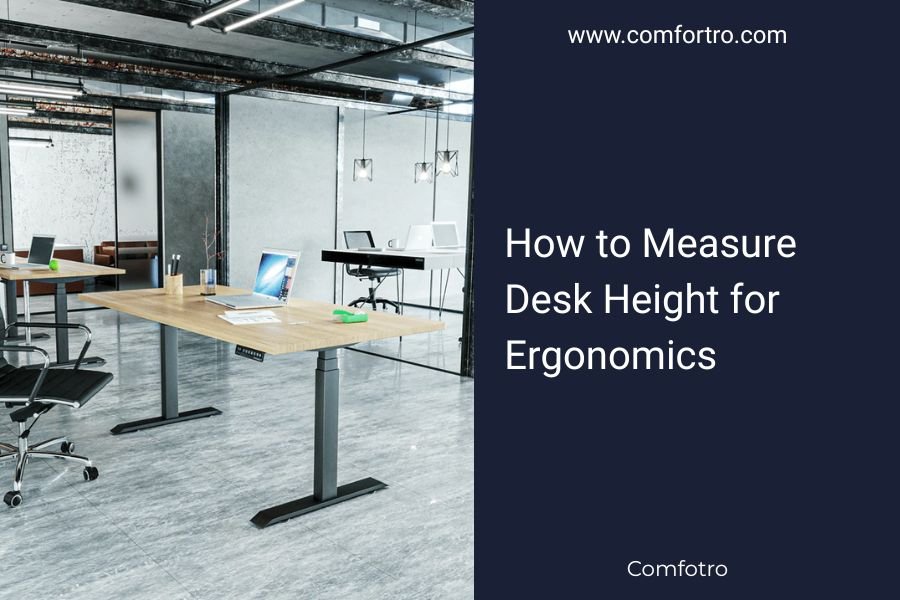
The ideal desk height for ergonomics is 28-30 inches for most adults, but your specific height depends on your elbow angle when typing.
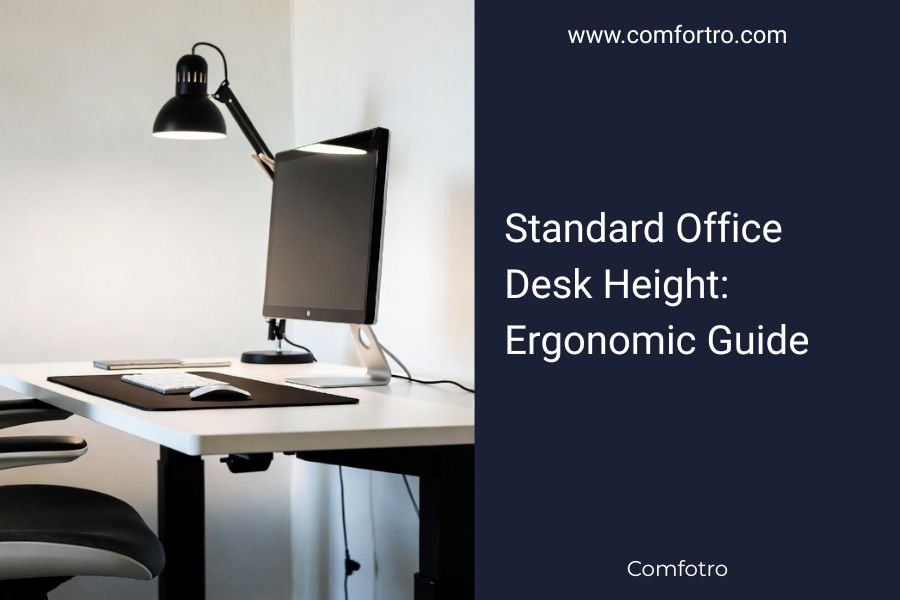
The standard office desk height is 29 to 30 inches (73.7 to 76.2 cm), but the right height depends on your body size and chair setup.