Standing vs Sitting: Calories Burned Guide
On this page (12 sections)
- How Many Calories Do You Burn Sitting?
- How Many Calories Do You Burn Standing?
- Standing vs Sitting: The Real Calorie Difference
- What Burns More Calories: Active Sitting or Standing?
- Health Benefits Beyond Calories
- How Long Should You Stand at Work?
- Common Standing Desk Mistakes
- Maximizing Calorie Burn While Working
- Standing Desk Accessories That Help
- Who Should Avoid Standing Desks?
- Making the Transition Easier
- Conclusion
Standing desk calorie burn is about 50% higher than sitting – approximately 88 calories per hour versus 60 calories per hour for the average person.
Your body weight, activity level, and posture determine the exact calorie difference between standing vs sitting throughout your workday.
How Many Calories Do You Burn Sitting?
When you sit at your desk, your body burns calories at its resting metabolic rate. I found that most adults burn between 60-80 calories per hour while sitting, depending on their weight.
Here’s what affects your sitting calorie burn:
- Body weight – heavier people burn more calories
- Muscle mass – more muscle means higher metabolism
- Age and gender – younger men typically burn more
- Room temperature – your body works harder in cold or hot conditions
Sitting Calorie Burn by Weight
Research shows clear patterns based on body weight. A 120-pound person burns about 51 calories per hour sitting. Someone weighing 180 pounds burns around 68 calories in the same time.
Think of sitting like idling your car engine. You’re using just enough energy to keep basic functions running.
How Many Calories Do You Burn Standing?
Standing activates more muscle groups than sitting. Your legs, core, and back work together to keep you upright. This extra effort burns more calories.
Most people burn 70-100 calories per hour while standing still. Add small movements like shifting weight or stretching, and you’ll burn even more.
Standing Calorie Burn by Weight
A 120-pound person burns roughly 76 calories per hour standing. Someone weighing 180 pounds burns about 102 calories per hour.
Standing is like revving your engine slightly higher. More systems activate, so you use more fuel.
Standing vs Sitting: The Real Calorie Difference
The calorie gap between standing and sitting might surprise you. It’s smaller than most people think, but it adds up over time.
| Body Weight | Sitting (per hour) | Standing (per hour) | Difference |
|---|---|---|---|
| 120 lbs | 51 calories | 76 calories | 25 calories |
| 150 lbs | 64 calories | 95 calories | 31 calories |
| 180 lbs | 68 calories | 102 calories | 34 calories |
Daily Impact of Standing More
Let’s say you stand for 4 hours during your 8-hour workday. If you weigh 150 pounds, you’ll burn an extra 124 calories compared to sitting all day.
That’s like eating an apple and walking it off without leaving your workspace. Small changes, steady results.
What Burns More Calories: Active Sitting or Standing?
Active sitting benefits can include fidgeting, adjusting your posture, or using a stability ball. I found research suggesting fidgeting can increase calorie burn by 20-30%.
But standing still beats active sitting for calorie burn. Your body works harder to maintain balance and posture when upright.
Best of Both Worlds: Movement
Standing and moving burns the most calories. For more ways to add small movements to your workday, see these desk activity ideas. Pace while on calls. Stretch every 30 minutes. Take the long way to the bathroom.
These tiny movements can double your standing calorie burn. You’re turning your workspace into a gentle, ongoing workout.
Health Benefits Beyond Calories
Calorie burn is just one piece of the puzzle. Standing offers health perks that sitting can’t match.
Better Blood Sugar Control
Standing after meals helps your body process glucose better. I came across studies showing standing reduces blood sugar spikes by up to 43% (Mayo Clinic).
Reduced Back Pain
Many people find standing desks reduce lower back pain. Your spine stays in a more natural position when you stand with good posture.
Improved Energy Levels
Standing increases blood flow and oxygen circulation. You might feel more alert and focused throughout your workday.
How Long Should You Stand at Work?
Don’t jump from sitting all day to standing all day. Your body needs time to adjust.
Start with 15-30 minutes of standing per hour. Gradually increase as your legs and feet get stronger.
The 20-8-2 Rule
Some ergonomic experts suggest this pattern for every 30 minutes:
- 20 minutes sitting
- 8 minutes standing
- 2 minutes moving around
Listen to Your Body
Sore feet or leg fatigue are normal at first. But sharp pain means you need a break. Good anti-fatigue mats and proper footwear help.
Common Standing Desk Mistakes
Standing wrong can hurt more than it helps. Avoid these rookie mistakes.
Poor Posture
Slouching while standing defeats the purpose. Keep your shoulders back, core engaged, and weight evenly distributed.
Wrong Desk Height
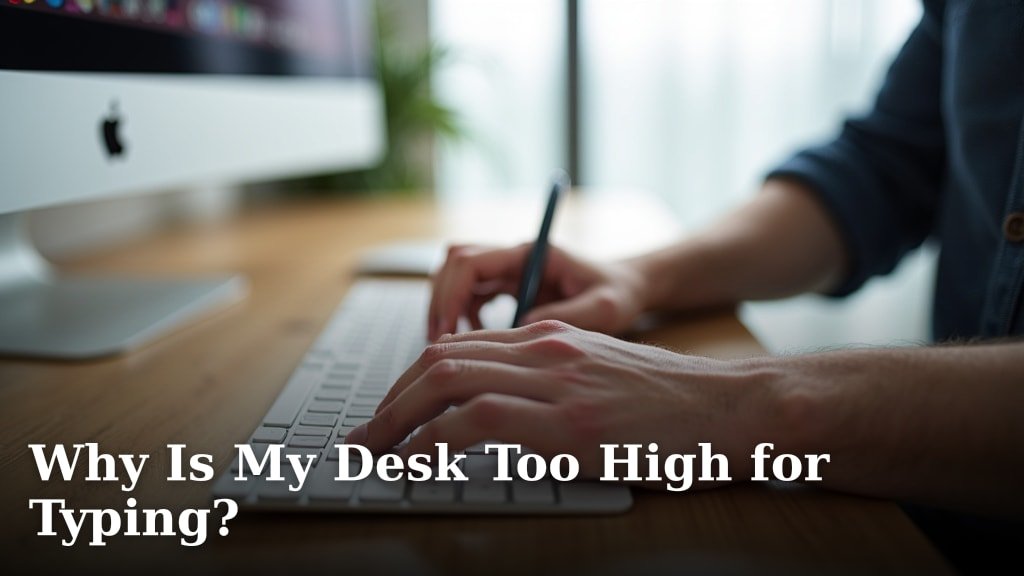
Your monitor should sit at eye level. Your elbows should bend at 90 degrees when typing. Adjust everything before you start standing.
Standing Too Much Too Soon
Your body needs time to adapt. Rushing leads to soreness and giving up. Build your standing stamina slowly.
Maximizing Calorie Burn While Working
Want to burn more calories without disrupting your productivity? Try these simple tricks.
Micro-Movements
Shift your weight from foot to foot. Do calf raises during phone calls. These small actions add up.
Walking Meetings
Take phone meetings while walking. You’ll burn 200-300 calories per hour instead of 60-80 sitting.
Desk Exercises
Stretch your arms overhead. Do wall push-ups. Roll your shoulders. These break up static postures.
Standing Desk Accessories That Help
The right tools make standing more comfortable and sustainable.
Anti-Fatigue Mats
These cushioned mats reduce pressure on your feet and legs. Your body naturally shifts position more on textured surfaces.
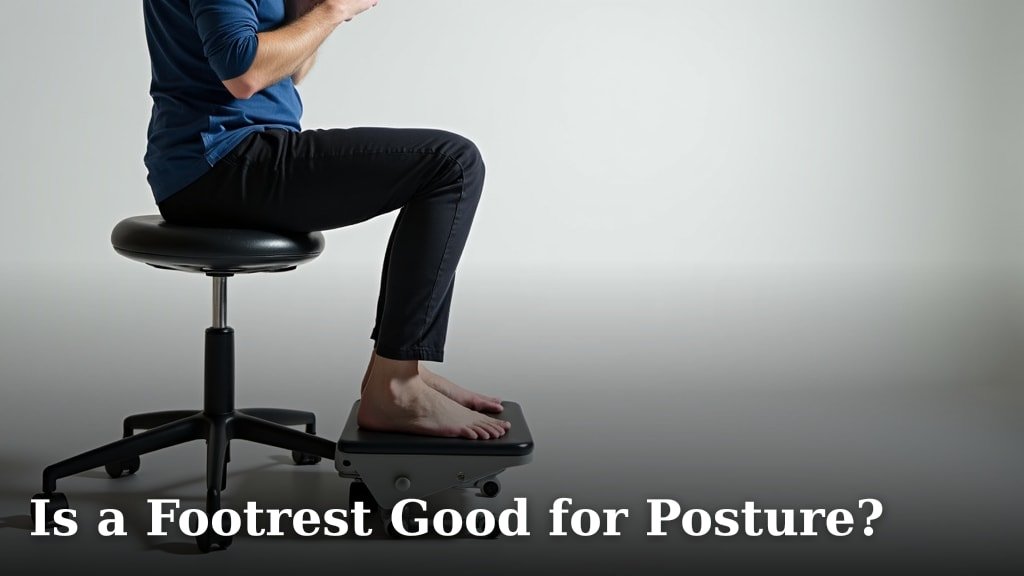
Footrests and Rails
Alternating which foot you rest changes your posture and reduces fatigue. Many standing desks include built-in footrests.
Supportive Shoes
Ditch the heels and thin soles. Choose shoes with arch support and cushioning for all-day comfort.
Who Should Avoid Standing Desks?
Standing isn’t right for everyone. Some health conditions make prolonged standing difficult or dangerous.
People with severe arthritis, circulation problems, or foot conditions should consult their doctor first. Pregnancy can also affect standing comfort.
The goal is feeling better, not pushing through pain.
Making the Transition Easier
Switching to a standing desk doesn’t have to be painful or overwhelming.
Start Small
Begin with tasks that don’t require intense focus. Reading emails or making calls work well for new standers.
Set Reminders
Use phone alarms or computer notifications to remind yourself to change positions. Building habits takes time and cues.
Track Your Progress
Notice how you feel after standing sessions. Energy levels, back comfort, and leg strength should improve over time.
Conclusion
Standing burns about 50% more calories than sitting, but the real benefits go far beyond the numbers. You’ll improve your posture, boost your energy, and reduce health risks associated with prolonged sitting. Start slowly, listen to your body, and find the standing-sitting balance that works for your lifestyle. Small changes in your daily routine can lead to significant improvements in how you feel and function throughout your workday.
How many calories does standing burn compared to lying down?
Standing burns about 20-30 more calories per hour than lying down. While lying down burns roughly 40-55 calories per hour, standing burns 70-100 calories per hour for most adults.
Does fidgeting while sitting really burn more calories?
Yes, fidgeting can increase your sitting calorie burn by 20-30%. Simple movements like bouncing your leg, tapping your fingers, or shifting positions activate more muscle groups than sitting perfectly still.
Can I lose weight just by using a standing desk?
Standing alone won’t cause significant weight loss. The extra 30-50 calories per hour adds up over time, but you’d need to combine standing with proper diet and regular exercise for meaningful weight loss results.
What’s the best surface to stand on for long periods?
Anti-fatigue mats with cushioning and textured surfaces work best for prolonged standing. They reduce pressure on your feet and encourage small movements that improve circulation and reduce fatigue.
How do I know if I’m standing too much at my desk?
Warning signs include sharp pain in your feet or legs, swelling in your lower extremities, or feeling exhausted rather than energized. Mild soreness is normal when starting, but severe discomfort means you need more sitting breaks.