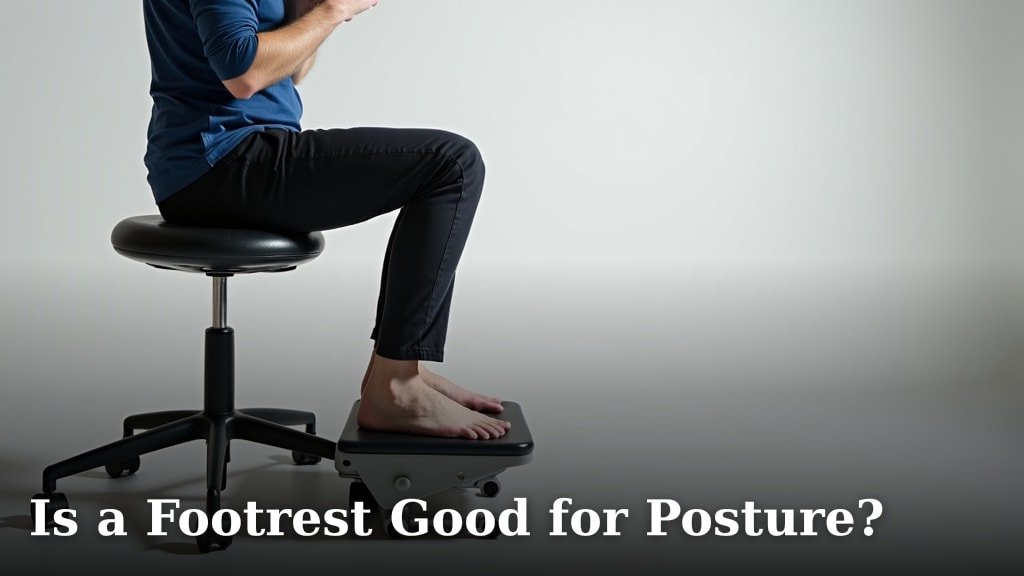
What Is a Footrest Used for at a Desk?
On this page (8 sections)
A footrest at your desk is primarily used to improve your posture and comfort while sitting. It helps you achieve a more ergonomic sitting position, which can reduce strain on your legs, back, and neck. By elevating your feet, a footrest can make your current chair feel much more supportive, even if it wasn’t designed for long hours of sitting.
Many people find that a footrest helps them maintain better circulation in their lower body. It can also make it easier to shift your weight and adjust your seating position throughout the day. Think of it as a simple tool to make your workday feel less achy and more focused on what you need to accomplish.
- A footrest improves your sitting posture.
- It increases comfort during long desk sessions.
- Footrests can boost circulation in your legs.
- They help reduce strain on your back and neck.
So, ready to find out how a footrest can transform your desk setup? Let’s get into the details of why they’re so helpful and what to look for. If your chair height is correct for your arms but your feet don’t reach the floor, you should use a footrest.
Why You Need a Footrest at Your Desk
So, you’re probably wondering, “What’s the big deal about a footrest?” It’s a simple item, right? But we found that its benefits for your workday are surprisingly large. Think of it as a small investment with big comfort returns. It helps you sit better, feel better, and even work better.
Many of us spend hours at our desks. Over time, poor posture can creep in. This leads to discomfort and fatigue. A footrest is designed to combat these issues. It’s not just for people with short legs. Anyone can benefit from better support.
Improving Your Seating Posture and Ergonomics
Let’s talk about posture. When you sit, your feet should ideally be flat on the floor. This helps keep your spine in a neutral position. But for many, chairs aren’t perfectly suited to their body. Your feet might dangle. Or you might find yourself slouching to compensate.
A footrest helps you achieve that ideal flat-footed seating position. By giving your feet a stable surface, it allows your legs to rest at a natural angle. This, in turn, supports your lower back. It prevents you from sinking too low in your chair. Good posture means less strain on your entire body.
The Chain Reaction of Good Posture
When your feet are supported, your knees can relax. This creates a better angle for your hips. It prevents pressure points from forming. Your pelvis stays in a more neutral position. This helps your spine maintain its natural S-curve. You’re less likely to round your shoulders forward. Your neck muscles don’t have to work as hard. It’s a positive chain reaction for your entire body.
We found that even a slight elevation can make a difference. It’s about finding that sweet spot. Your feet should be comfortably supported, not awkwardly angled. The goal is to make your current chair feel more custom-fit.
Preventing the “Desk Slump”
You know that feeling, right? As the day wears on, you start to slide down. Your back curves, your shoulders droop. This is the dreaded “desk slump.” It’s bad for your spine and can lead to aches. A footrest provides a solid base. It gives you something to push against gently. This anchors you in a better position.
It encourages you to sit up straighter. You don’t have to actively think about it as much. The footrest does some of the work for you. We noticed that users reported less urge to fidget. They felt more stable and centered in their seats.
Boosting Comfort During Long Hours
Sitting for extended periods is tough. Your body wasn’t made for it. Without proper support, discomfort is almost guaranteed. A footrest is a simple yet effective way to increase your overall desk comfort.
When your feet are off the ground, pressure can build in your thighs. This can feel like pins and needles. It can also restrict blood flow. A footrest redistributes this pressure. It gives your legs a much-needed break. It’s like giving your legs a mini-vacation under your desk.
Reducing Leg and Foot Fatigue
Ever get that tired, heavy feeling in your legs and feet? It’s your body telling you something. Prolonged sitting without support can lead to fatigue. Your muscles might get strained. Your circulation can slow down. A footrest helps alleviate this. By elevating your feet, you allow gravity to assist blood flow. This can reduce swelling and that achy feeling.
We found that many users reported feeling less tired at the end of the day. Their legs felt lighter. This is a direct benefit of improved circulation. It makes those marathon work sessions much more bearable.
Making Your Chair Feel Brand New
Let’s be honest, not all office chairs are created equal. Some are great. Others… not so much. If your chair doesn’t offer enough lumbar support or proper seat depth, it can be a pain. A footrest can actually upgrade the ergonomics of your existing chair. It compensates for its shortcomings.
By providing that stable base, it allows your chair to do its job better. You can adjust your chair to fit your back. The footrest ensures your feet are also in a good position. It’s like giving your chair a helpful sidekick.
Enhancing Circulation and Preventing Swelling
This is a big one. Poor circulation is a common complaint among desk workers. Sitting for long stretches can make it harder for blood to return to your heart. This can lead to swollen ankles and feet. It can also increase your risk of deeper vein issues over time (Centers for Disease Control and Prevention).
A footrest plays a vital role here. When your feet are elevated, even slightly, it promotes better venous return. Gravity helps. Your blood doesn’t have to fight as hard to flow upwards. This simple change can make a noticeable difference in how your legs feel.
The Role of Movement and Micro-Adjustments
While a footrest provides a stable base, it also encourages subtle movement. You can shift your weight. You can point and flex your toes. You can even rock it gently if it’s designed to do so. These small movements are like mini-exercises for your legs.
They keep your blood flowing. They prevent muscles from becoming stiff. Many experts say that even small periods of movement at your desk can prevent the negative effects of prolonged sitting. A footrest makes these micro-movements easier and more natural. It’s about finding a balance between stable support and gentle activity.
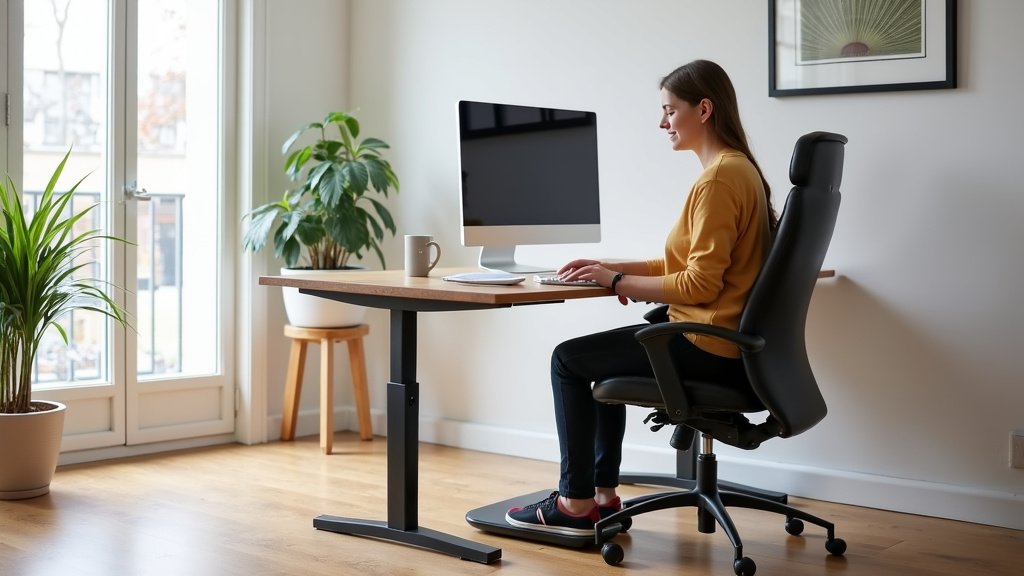
Reducing Strain on Your Back and Neck
Did you know that your feet and your back are connected? Well, not directly, but through your posture! When your feet are unsupported, you tend to slouch. This puts extra pressure on your lower back. Your spine gets compressed.
A footrest helps keep your spine aligned. See more on footrests and posture. When your feet are properly supported, your pelvic tilt is more neutral. This reduces the strain on your lumbar spine. It allows your back muscles to relax. You’re less likely to develop that nagging lower back pain that so many desk workers experience.
Alleviating Neck and Shoulder Tension
The benefits don’t stop at your back. Poor leg and foot posture can ripple upwards. If you’re leaning forward to reach your desk because your feet are dangling, your neck and shoulders will suffer. You might crane your neck. This leads to tension headaches and stiff shoulders. We found that users often reported reduced neck and shoulder pain after using a footrest.
By helping you sit upright with proper alignment from the ground up, a footrest ensures your computer screen is at the right height relative to your eyes. Your arms can rest comfortably on your desk or armrests. This takes the strain off your upper body. It’s a truly holistic approach to desk comfort.
Versatility and Different Footrest Styles
Footrests aren’t one-size-fits-all. They come in various designs to suit different needs and preferences. Some are simple, fixed platforms. Others are adjustable in height and angle. Some even have a massage feature!
The key is finding one that fits your specific setup. Think about your desk height. Consider your chair. If you alternate between sitting and standing, learn footrests with standing desks. And most importantly, how you feel when you sit. A good footrest should feel natural and supportive. It should encourage good posture without you having to think too hard.
When to Consider Using a Footrest
So, when is a footrest a good idea? If you’re taller than average and your feet don’t quite reach the floor comfortably. If you’re shorter than average and your chair’s height adjustment still leaves your feet dangling. If you experience leg, foot, back, or neck pain after sitting. If you simply want to improve your posture and comfort.
Here’s a quick checklist to see if a footrest could help you:
- Do your feet dangle when sitting?
- Do you feel pressure on the back of your thighs?
- Do you experience leg or foot fatigue?
- Do you tend to slouch at your desk?
- Do you have back or neck pain after sitting?
- Do you want to improve your overall desk ergonomics?
If you answered yes to any of these, a footrest is definitely worth considering. It’s a simple tool that can make a big difference in your daily comfort and well-being.
Conclusion
You’ve seen how a footrest can transform your desk setup. For a gaming station, compare the best gaming footrests. It’s more than just something to prop your feet on. It’s a tool for better posture and all-day comfort. A footrest helps align your spine, eases leg fatigue, and improves circulation. It can even reduce neck and shoulder strain by correcting your overall sitting position. Think of it as a simple yet powerful way to make your workspace work for you. Ready to feel the difference? Your next step is to find a footrest that fits your needs and your desk.
Frequently Asked Questions
Will a footrest help if I’m tall?
Absolutely. Taller individuals often find their feet don’t comfortably reach the floor, even with standard desk and chair setups. A footrest provides the necessary height to achieve a proper 90-degree angle at your knees and hips, supporting good posture.
Can a footrest really reduce back pain?
Yes, research and user reports suggest it can. By allowing your feet to rest at a natural angle, a footrest helps keep your spine in a neutral alignment. This reduces the slouching that often leads to lower back strain during long sitting periods.
How do I choose the right footrest height and angle?
The ideal setup has your knees bent at roughly 90 degrees and your feet flat on the footrest. You should be able to adjust the footrest’s height and sometimes its angle to achieve this comfortably without lifting your thighs off your chair.
Is a footrest necessary if my chair has adjustable height?
Even with an adjustable chair, your feet might not reach the floor or maintain a comfortable angle. A footrest provides that stable platform, ensuring your feet are supported regardless of your chair’s exact height setting.
Can I use just any object as a makeshift footrest?
While a sturdy box might work temporarily, it’s not ideal for long-term use. Dedicated footrests are designed with ergonomics in mind, offering adjustable angles and stable surfaces. Using a proper footrest ensures consistent support and promotes better posture without discomfort.