Does a Kneeling Chair Help with Posture?
On this page (7 sections)
Yes, a kneeling chair can help improve your posture by encouraging a more natural spinal alignment. It shifts your weight to your shins, which can reduce pressure on your lower back. Many users find it helps them sit straighter and feel less slouchy throughout the day.
Unlike traditional chairs that promote hunching, a kneeling chair helps you maintain an open hip angle. This position naturally brings your shoulders back and your chest open. We found that this can lead to a noticeable difference in how your body feels after long periods of sitting.
- Kneeling chairs encourage better spinal alignment.
- They help reduce pressure on your lower back.
- This can lead to a more open and upright sitting posture.
- Many people report feeling less strain with regular use.
Ready to see if a kneeling chair is the right fit for your workspace and posture goals? Let’s break down exactly how they work. Let’s break down exactly how they work.
How Kneeling Chairs Impact Your Sitting Posture
So, you’re curious if a kneeling chair can actually help you sit up straighter. The short answer is a resounding yes, but let’s explore how and why.
Think of your body like a balanced tower. When you sit in a traditional chair, your pelvis often tilts backward. This puts your spine in a C-shape. It’s not ideal for long-term sitting. A kneeling chair, however, changes this dynamic.
The Mechanics of a Kneeling Chair
Unlike chairs you’re probably used to, a kneeling chair has two main points of contact. You have your bottom on a seat. Your shins rest on a padded support. This setup redistributes your weight.
Instead of sitting straight down, your body is angled forward. This encourages a more natural spinal curve. Your back stays in a more neutral position. This can feel quite different at first!
Shifting Weight Distribution
Traditional chairs put most of the pressure on your tailbone and lower back. This is a major contributor to discomfort. Kneeling chairs shift a good portion of your weight to your shins. Research has shown that this can **reduce pressure on your lumbar spine**.
By taking pressure off your lower back, you naturally want to sit up straighter. It’s like your body finds a more comfortable and supported position. This is a big win for anyone who spends hours at a desk.
Encouraging an Open Hip Angle
Another key benefit is the open hip angle. When you sit with your hips at a 90-degree angle or less, your legs are bent more sharply. This can cause your pelvis to tilt backward, leading to slouching. Kneeling chairs typically create an open hip angle, closer to 100-110 degrees.
This position helps to align your pelvis correctly. When your pelvis is properly aligned, your spine can adopt its natural S-shape. This makes it easier to keep your shoulders back and your chest open. Many users report feeling less “crunched” in their midsection.
Benefits for Your Back and Spine
Your spine is designed for movement and gentle curves, not prolonged static positions. Sitting for hours can be tough on it. A kneeling chair offers a different approach to seated ergonomics.
Reducing Lower Back Strain
We’ve already touched on this, but it’s worth repeating. The way a kneeling chair distributes weight is a game-changer for lower back pain. By resting weight on your shins, you take direct pressure off the sensitive discs in your lumbar region. Studies have indicated that this can lead to a noticeable reduction in reported lower back discomfort after sitting periods (PubMed Central).
If you find yourself constantly shifting or getting up to relieve back pain, a kneeling chair might offer some much-needed relief. It’s not a miracle cure, but it can be a very effective tool.
Promoting Neutral Spinal Alignment
Neutral spine means your spine is in its natural alignment. It’s not excessively curved or flattened. Kneeling chairs help achieve this by supporting your pelvis in a way that allows your spine to naturally stack. Your head, shoulders, and hips tend to align better.
Think of it like building with blocks. If the base block is tilted, the whole tower becomes unstable. A kneeling chair provides a more stable, correctly positioned base for your spine. This can help prevent the development of poor posture habits.
How to Use a Kneeling Chair Effectively
Like any new tool, there’s a learning curve with a kneeling chair. You won’t get the full benefits if you just plop down and expect magic. Proper use is key.
Gradual Transition is Key
Your body isn’t used to sitting this way. Trying to use a kneeling chair all day from the start is a recipe for sore knees or shins. Start with short periods, maybe 20-30 minutes at a time. Gradually increase the duration as your body adjusts.
We found that alternating between a kneeling chair and a traditional chair can be very effective. This allows you to build up your endurance without overdoing it. Listen to your body; it will tell you when it’s had enough.
Adjusting for Your Body Type
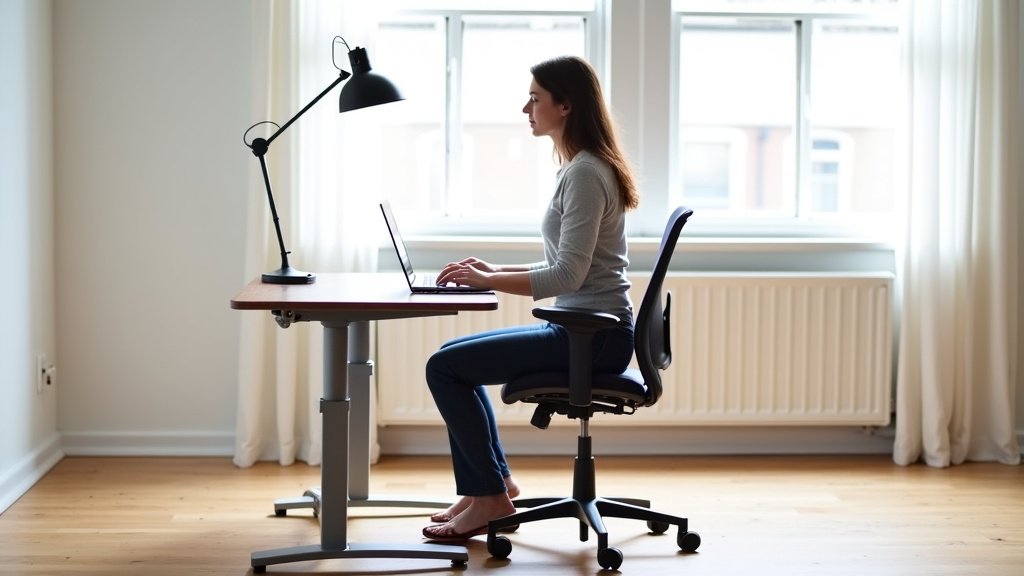
Not all kneeling chairs are created equal, and neither are people! You’ll want to ensure your chair is adjusted correctly. The seat height should allow your thighs to slope downwards. Your shins should rest comfortably on the knee pad.
Your desk height also plays a role. You want to be able to type with your arms at about a 90-degree angle, with your wrists straight. Proper adjustment ensures you’re getting the intended ergonomic benefits. It prevents you from creating new strains.
Common Initial Sensations
When you first sit in a kneeling chair, you might feel a slight pressure on your shins. This is normal and usually subsides as you get used to it. Some people feel a gentle stretch in their quadriceps. Others notice their core muscles engage a little more.
If you experience significant pain, stop and re-evaluate your setup. Make sure the padding is adequate. Check that you’re not leaning too far forward or backward. It’s about finding a balance that feels supportive, not strained.
When a Kneeling Chair Might Be Your Best Bet
While they offer great benefits, kneeling chairs aren’t for everyone or every situation. But for many, they are a fantastic solution.
For Desk Workers Experiencing Discomfort
If you spend more than a few hours a day sitting at a desk, and you experience back, neck, or shoulder pain, a kneeling chair is worth considering. The change in posture can alleviate many common discomforts. Many individuals who have tried them report feeling less fatigue by the end of the workday.
It’s about providing your body with a different way to sit. This variation can be incredibly helpful in breaking the cycle of static, poor posture. Think of it as adding an ergonomic tool to your workspace arsenal.
Those Seeking Active Sitting Options
Some people find traditional chairs too static. They like to feel a bit more engaged while sitting. Kneeling chairs, by their nature, encourage a more active posture. You might find yourself subtly shifting and engaging your core more. This can be a good thing for circulation and overall alertness.
It’s not quite standing, but it’s a step away from passive sitting. Many experts suggest that varying your posture throughout the day is beneficial. A kneeling chair is one way to achieve this variation. It can complement other active sitting methods.
Who Might Need to Be Cautious
While kneeling chairs are generally safe and beneficial, there are a few situations where you might want to proceed with caution or consult a professional.
Individuals with Specific Knee or Shin Issues
If you have pre-existing knee problems, arthritis in your knees, or issues with your shins, the pressure from a kneeling chair might be uncomfortable. While the padding is designed to be supportive, it does involve direct pressure. In such cases, a traditional ergonomic chair or a standing desk for better posture might be a better fit.
Always listen to your body. If you have chronic pain, it’s wise to speak with a doctor or physical therapist before making significant changes to your workstation setup. They can offer personalized advice based on your specific health needs.
The Importance of a Balanced Approach
No single chair is going to be a perfect solution for everyone forever. The best approach often involves variety. Mixing sitting positions helps your body stay engaged and prevents over-reliance on any one posture. Learn how an ergonomic chair supports posture too. This is why alternating with a regular chair or incorporating standing breaks is so important.
A kneeling chair is an excellent tool for improving posture during seated work. But it’s part of a larger picture of workplace wellness. Regular movement, stretching, and varied seating are all key components. This balanced strategy will serve your body best in the long run.
Quick Checklist for Kneeling Chair Success
- Start with short sitting sessions.
- Gradually increase your time in the chair.
- Adjust the chair to fit your body and desk.
- Listen to your body and take breaks.
- Alternate with other sitting or standing positions.
- Ensure adequate padding on the knee rests.
Conclusion
You’ve learned that a kneeling chair can indeed be a powerful ally for better posture. By redistributing weight and encouraging an open hip angle, it helps your spine find its natural alignment. This can significantly reduce lower back strain and discomfort from long hours of sitting. Remember, the key is a gradual transition and proper adjustment to your unique body and workspace. Start slow, listen to your body, and consider incorporating varied sitting positions for the best long-term results.
Frequently Asked Questions
How long should I use a kneeling chair each day?
Start with short periods, like 20-30 minutes, and gradually increase as your body adjusts. It’s best to alternate between your kneeling chair and a traditional chair throughout the day to avoid overexertion.
Will a kneeling chair make my knees hurt?
Some initial pressure on your shins is normal, but significant knee pain is not. If you have pre-existing knee issues, you might need to be cautious or consult a healthcare professional before using one.
Can I use a kneeling chair if I have a bad back?
Many people with back discomfort find relief with kneeling chairs because they reduce pressure on the lumbar spine. However, always listen to your body and consider speaking with a doctor or physical therapist first.
Do I need to adjust my desk height for a kneeling chair?
Yes, desk height is important. You should aim to have your arms at about a 90-degree angle for typing, with your wrists straight, ensuring proper ergonomic alignment.
Is a kneeling chair good for long-term posture improvement?
Yes, when used consistently and correctly, a kneeling chair can help retrain your sitting habits and promote better spinal alignment over time. It’s a tool to support improved posture, especially when combined with other healthy sitting practices.