How to Pick the Right Desk Size for a Small Room?
On this page (8 sections)
Picking the right desk size for a small room means finding a balance between functionality and space. You’ll want a desk that fits comfortably without overwhelming your room, offering enough surface area for your tasks. The key is to measure your space carefully and consider Consider foldable or corner desk options to maximize your limited space.foldable or corner desk options.
When your room feels a bit cramped, every inch counts. Choosing a desk that’s too large can make the space feel cluttered and uninviting. We found that selecting a desk with the right dimensions can actually make your small room feel more organized and spacious. It’s all about smart choices for your workspace.
- Measure your available space first.
- Consider desks designed for small areas.
- Think about how you’ll use the desk.
- Look for multi-functional or slim designs.
Let’s walk through exactly how to choose a desk that works perfectly for your cozy room.
Choosing the Right Desk Size for Your Small Space
Finding the perfect desk for a small room can feel like a puzzle. You want enough workspace without making your room feel tiny. We’ve found that with a little planning, you can find a desk that fits perfectly. It’s all about smart measurements and choosing the right style.
Measure Your Space Accurately First
Before you even start looking at desks, grab your tape measure. This is the most important step for any small space. You need to know exactly how much room you have to work with. Don’t just guess; measure it! This prevents you from buying a desk that’s too big or too small.
Identify Your Available Desk Area
Think about where you envision your desk going. Will it be against a wall? In a corner? Near a window? Measure the width and depth of the wall space or corner you’ve picked. Remember to account for things like doors that swing open or the space needed for a chair to pull out. We found that marking the floor with painter’s tape can help visualize the footprint of a potential desk.
Consider Wall Width Limitations
Most small rooms have limited wall space. Measure the longest wall section where you’d like to place your desk. For setup ideas in a compact room, see our guide to standing desk placement. This gives you your maximum width allowance. Keep in mind that a desk that perfectly spans a wall might feel overwhelming. Often, leaving a little breathing room on either side makes the space feel better.
Account for Depth Requirements
Depth is just as critical as width. How far into the room do you want the desk to extend? A super deep desk can jut out and make navigating the room difficult. Think about the path you need to walk. We recommend measuring the necessary depth for your computer monitor, keyboard, and any other items you’ll keep on the desk.
Factor in Chair Clearance
Don’t forget your chair! You need enough space to comfortably pull your chair out from the desk. Most standard desk chairs need about 24-30 inches of clearance. If your room is very narrow, this measurement might dictate the maximum desk depth you can choose. We found that measuring this clearance first can save a lot of frustration later. We found that measuring this chair clearance first can save a lot of frustration later.
Explore Desk Types Suited for Small Rooms
Not all desks are created equal, especially when space is tight. Certain styles are designed with smaller areas in mind. They offer functionality without taking up too much visual or physical space. We found that looking at these specific types can open up your options.
The Slim and Minimalist Desk
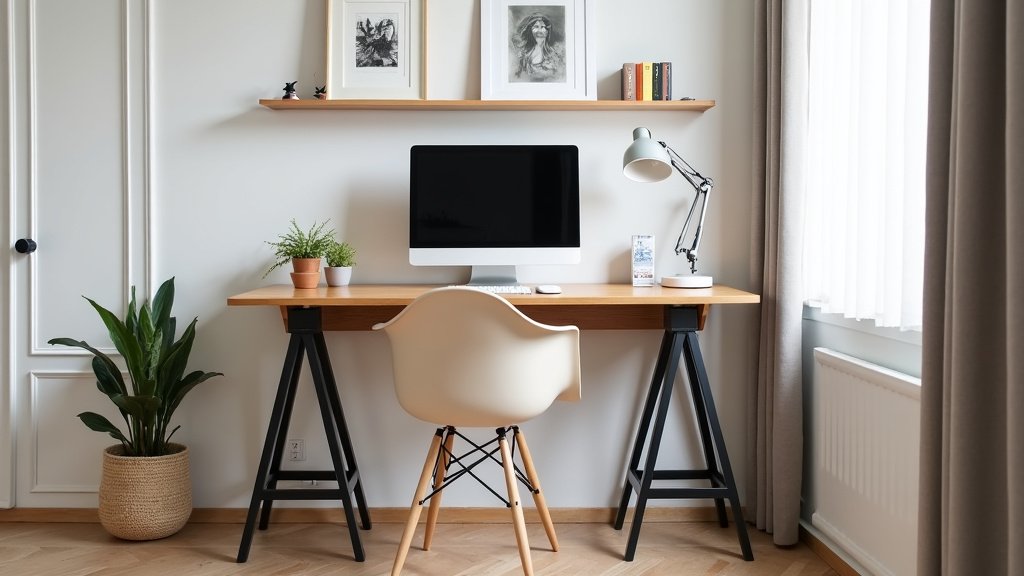
These desks are often sleek and simple. They don’t have bulky drawers or heavy frames. Their main focus is providing a surface to work on. Many are designed with clean lines and are narrower than traditional desks. They can make a small room feel less cluttered. Think of them as a stylish, functional plank.
The Floating or Wall-Mounted Desk
A floating desk is attached directly to the wall. It appears to hover, creating an airy feel. This design is fantastic for small spaces because it leaves the floor area underneath clear. You can even place storage bins or a small rug there. We found that these are excellent for a minimalist aesthetic and make cleaning easier.
The Corner Desk Solution
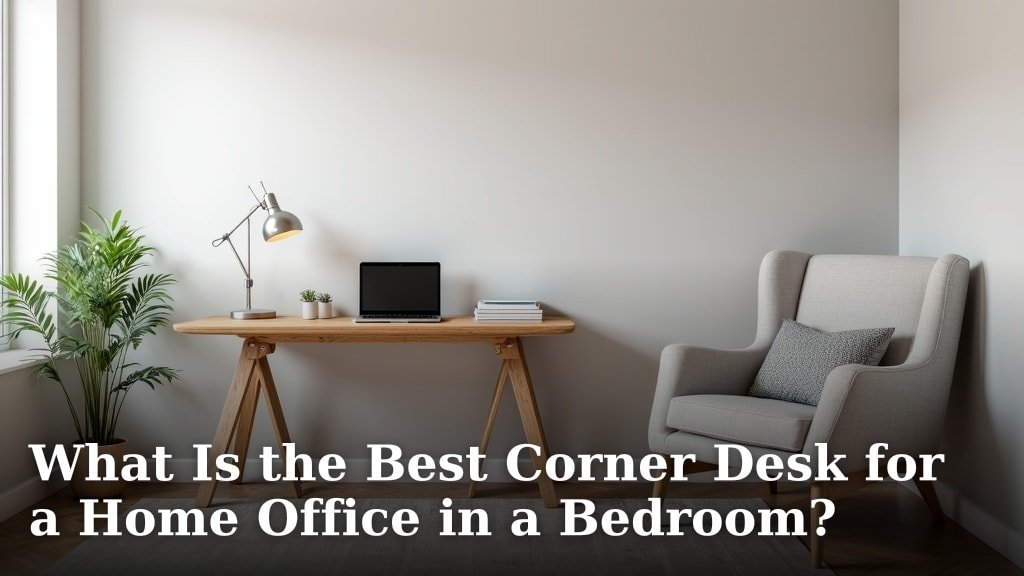
Corners are often underutilized space. A corner desk is specifically designed to fit into an L-shaped area. This can significantly maximize your usable surface area in a small room. They often feel less imposing than a straight desk that eats up wall space. Many corner desks also offer built-in shelving.
Foldable and Convertible Desks
For ultimate space-saving, consider a desk that folds away. Some can fold flat against the wall when not in use. Others might have a drop-leaf design that expands when needed. We’ve seen some incredibly clever designs that look like wall cabinets until you open them up. These are perfect if your desk area needs to serve multiple purposes.
Consider Your Desk’s Intended Use
How you plan to use your desk will impact the size and features you need. Someone who just needs a spot to pay bills has different needs than a remote worker who spends 8 hours a day at their computer. Be honest about your daily activities.
Basic Tasks: Occasional Use
If you only need a desk for a few hours a week for things like checking mail, paying bills, or occasional laptop use, a smaller, more compact desk will likely suffice. A console table or a narrow wall-mounted desk could be perfect. You don’t need a massive surface area. We found that smaller dimensions are key here.
Work From Home: Daily Use
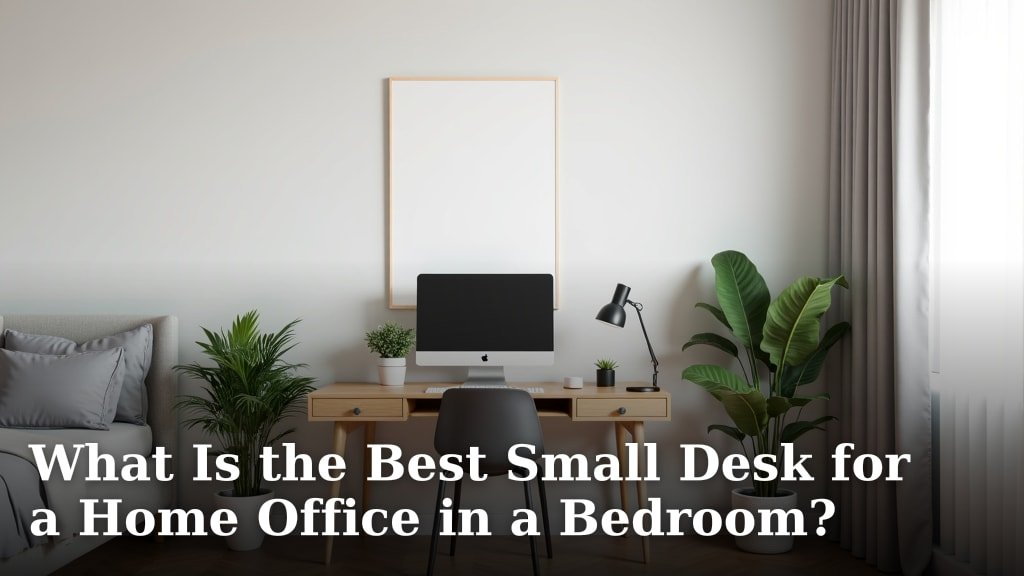
If you’ll be working from home full-time, you’ll need more surface space. Consider where your monitor(s), keyboard, mouse, notebooks, and other essentials will go. You might need a desk that’s at least 40-48 inches wide for a comfortable setup. Look for desks with built-in storage or consider pairing a minimalist desk with a small set of drawers.
Multiple Monitors or Large Equipment
Do you use more than one monitor? Or perhaps a large printer? These items take up significant desk real estate. If this is you, you’ll definitely need to prioritize width and depth. A corner desk might be your best bet to accommodate the extra gear. We found that a minimum of 50 inches wide is often recommended for dual monitors.
Creative Pursuits: Hobbies and Crafts
Artists, crafters, or hobbyists often need a larger, unobstructed surface. You might need space to spread out materials, use large cutting mats, or accommodate tools. In this case, you might need to look for a deeper desk or consider a folding table that you can set up when inspiration strikes. Prioritize a durable and easy-to-clean surface.
Smart Features for Small Desk Designs
Many desks designed for small spaces come with clever features. These can make them more functional and better suited to your needs. Think about what would make your life easier.
Integrated Storage Solutions
Look for desks with built-in drawers, shelves, or cubbies. For nearby cube storage, check the sizes of cube storage bins. This helps you keep your workspace tidy. Clutter can make a small room feel even smaller. Integrated storage means you don’t need to buy separate pieces of furniture, saving valuable floor space. We found that vertical storage is particularly effective.
Cable Management Systems
Tangled cords can make any desk look messy. Many modern desks include features like grommets or channels to hide wires. This keeps your workspace looking clean and organized. It’s a small detail that makes a big difference in a tight space.
Multi-Functional Designs
Some desks can serve more than one purpose. You might find desks that double as a vanity, a bookshelf, or even a dining surface. These chameleon-like pieces are brilliant for maximizing utility in a small footprint. We found that multi-functional furniture is a lifesaver in compact living.
Putting It All Together: Your Desk Checklist
Ready to make a decision? Use this quick checklist to ensure you’re on the right track:
- Have you measured your available wall and floor space accurately?
- Have you accounted for chair clearance and walkway paths?
- Does the desk style fit the aesthetic and function of your room?
- Do you need integrated storage or specific features like cable management?
- Will the desk size and type support your intended daily use?
- Does the desk’s footprint feel right for the scale of your room?
Conclusion
Finding the perfect desk for your small room is all about smart planning and making informed choices. By accurately measuring your space and considering the various desk styles designed for compact living, you can create a functional and stylish workspace. Remember to think about how you’ll actually use the desk daily. This will help you prioritize features like surface area or integrated storage. With these steps, you’re well on your way to transforming your cozy room into an efficient and comfortable home office. Now, take those measurements and start envisioning your ideal setup!
Frequently Asked Questions
What’s the minimum desk width I should consider for a small room?
For basic tasks like occasional laptop use, a desk as narrow as 24-30 inches can work. If you’re working from home daily, we found that at least 40 inches wide is more comfortable for most setups. Prioritize width if you use multiple monitors or need space for paperwork.
Are floating desks good for very tight spaces?
Yes, floating or wall-mounted desks are excellent for maximizing space in very small rooms. They leave the floor area underneath clear, making the room feel more open and easier to clean. This style also contributes to a clean, minimalist aesthetic.
How much space do I need behind my desk chair?
You’ll generally need about 24-30 inches of clearance for your chair to pull out comfortably. This measurement is crucial, especially in narrow rooms, as it can directly impact the maximum desk depth you can choose. Always measure this before finalizing your desk choice.
Should I choose a desk with drawers for a small room?
Integrated storage like drawers or shelves can be very beneficial in small rooms. They help keep your workspace tidy and reduce clutter, making the room feel larger. However, ensure the drawers don’t add too much bulk that compromises the desk’s overall footprint.
Can a corner desk be a good option for a small room?
Absolutely! Corner desks are fantastic for making use of often-underutilized space. They can provide a surprisingly large amount of surface area without feeling as imposing as a long, straight desk. We’ve found they can significantly boost your usable workspace.