How to Remove Wheels from an Office Chair?
On this page (5 sections)
The easiest way to remove wheels from an office chair is to firmly pull them straight out of the base. Most office chair wheels are designed with a simple stem that pushes into a socket. You usually don’t need tools, but sometimes a bit of wiggling or a helpful tug is necessary. We found that this method works for the vast majority of standard office chairs.
Understanding how your chair’s wheels attach can make replacements or cleaning much simpler. Many chairs use a five-star base with casters that can wear out over time. Replacing them can give your chair a new lease on life, and it’s often much cheaper than buying a whole new chair. We’ve researched this, and it’s a common and effective fix.
- Pull wheels straight out.
- No special tools usually needed.
- Wiggling can help if stuck.
- This is a common repair.
Let’s walk through exactly how to get those wheels off your office chair, step by step.
Getting Your Office Chair Wheels Off: A Simple Guide
Removing wheels from your office chair is usually a straightforward process. You’re likely looking to swap out worn-out casters or remove hair from chair wheels. We’ve found that most chairs are designed for easy maintenance. Often, no special tools are needed. Your main goal is to get a firm grip and pull.
Understanding Your Office Chair Base
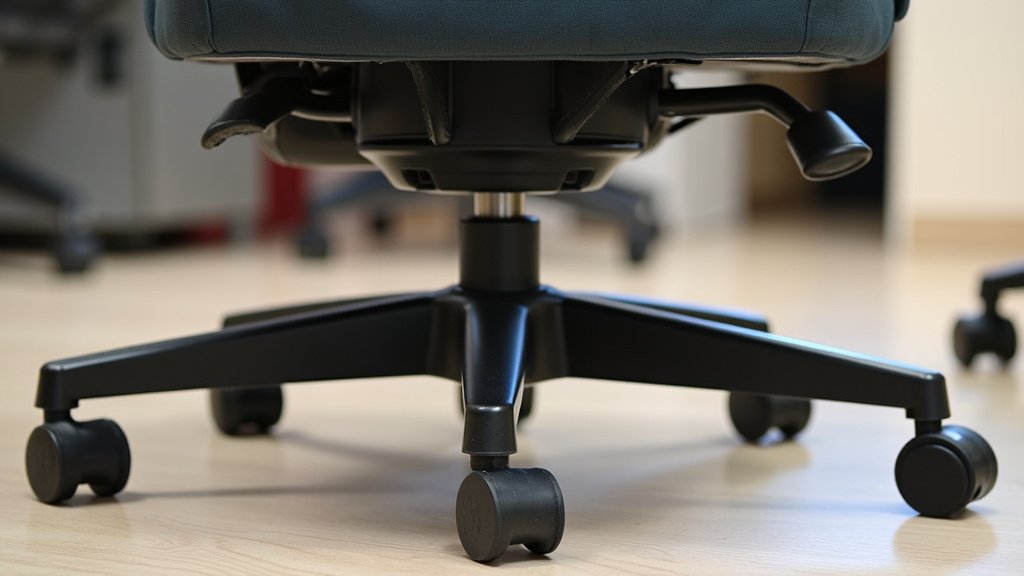
Most modern office chairs sit on a five-star base. This design offers stability and allows the chair to swivel. The wheels, also called casters, attach to the end of each leg of this base. They are typically inserted into a socket. This is a very common setup across many brands and models.
The type of caster can vary. Some are designed for carpet, others for hard floors like tile or wood. Knowing which you have can help if you’re replacing them. But for removal, the basic mechanism is usually the same.
The Main Method: A Firm Pull
For the vast majority of office chairs, the wheels are held in place by friction and a metal stem. This stem is inserted into a receiving hole in the chair’s base. To remove them, you’ll need to overcome this friction. We found that a steady, firm pull is your best bet.
Get a good grip on the wheel itself. You might want to use both hands. Then, pull it straight down, away from the chair base. Imagine you’re pulling a stubborn carrot out of the ground. It might take a bit of force, but it shouldn’t require superhuman strength. This is how most manufacturers intend for you to remove them.
Getting a Better Grip
If the wheels are smooth and a bit slippery, a grip-enhancing tool can help. You could try using a rubber glove. This can provide the traction you need. A jar opener pad also works well. It gives you a better hold without damaging the caster. Sometimes, a simple dish towel can offer enough extra grip.
Dealing with Stubborn Wheels
What if a simple pull doesn’t work? Don’t panic! Sometimes, dirt or grime can make the stem stick in the socket. A little bit of wiggling can work wonders. Try gently rocking the wheel side-to-side as you pull downwards. This can help break the seal between the stem and the socket.
If wiggling doesn’t do the trick, you might need a bit more leverage. A flathead screwdriver can be useful here. Carefully insert the tip of the screwdriver between the wheel housing and the chair base. Use it as a lever to gently pry the wheel downwards. Be cautious not to apply too much force in one spot. You don’t want to damage the plastic base. Work your way around the connection slightly if needed.
When to Use Tools (And When Not To)
As mentioned, a screwdriver can be helpful. However, we want to stress caution. Avoid excessive force. You’re trying to remove the wheel, not break the chair. If you find yourself struggling intensely, pause and reassess. Perhaps there’s a hidden clip or a different mechanism at play.
Some chairs might have wheels secured by a bolt or a retaining clip. This is less common for standard office chairs but can happen. If you see a visible screw or clip near where the wheel attaches, you’ll need the appropriate tool. A screwdriver or a small wrench might be necessary. Always check for these before you start pulling forcefully.
Steps for a Smooth Wheel Removal
Let’s break down the process into simple, actionable steps. This approach should help you get those wheels off with minimal fuss. Our research indicates this is the most efficient way.
Preparation is Key
Before you begin, make sure you have a clear workspace. You don’t want to lose a wheel under a desk. Laying down a mat or some old newspapers can be helpful. This protects your floor and catches any dust or debris that might fall. It also gives you a clean surface to set the removed wheels on.
Consider the type of flooring you have. If you’re on carpet, it might offer a bit more grip for the chair. If you’re on a hard floor, the chair might slide more easily. Either way, ensure the chair is stable before you start applying pressure to remove the wheels.
Step-by-Step Wheel Removal
Here’s how to tackle it, one wheel at a time:
- Flip the Chair: Gently turn your office chair upside down. This gives you easy access to the bottom of the base and the wheels.
- Target One Wheel: Focus on removing one caster at a time. This makes the process manageable.
- Get a Firm Grip: Grab the wheel firmly with your hands. Use gloves or a towel for better traction if needed.
- Pull Straight Down: Apply steady, downward pressure. Pull the wheel directly away from the chair base.
- Wiggle If Stuck: If it doesn’t budge, try wiggling the wheel gently from side to side while pulling.
- Use Leverage Carefully: If necessary, use a flathead screwdriver as a lever. Insert it between the wheel and the base, and gently pry. Be cautious not to damage the base.
- Repeat for Other Wheels: Once one wheel is off, repeat the process for the remaining three or four wheels.
When to Consider Professional Help or Replacement
While most wheels come off easily, sometimes a chair is old, damaged, or has a non-standard attachment. If you’ve tried all the gentle methods and the wheels absolutely refuse to budge, it might be time for a different approach. You could be dealing with a wheel that’s fused to the stem, or a base that’s deteriorated. In such cases, forcing it could cause If the wheels absolutely refuse to budge, it might be time for a different approach, such as to dismantle an office chair for disposal.irreparable damage to your chair base.
If the base itself is damaged or cracked, it’s probably time to look for a new chair. Safety is paramount, and a compromised base is a risk. If only the wheels are the issue and they won’t come off, you might consider if buying a new set of wheels is worth the effort compared to a new chair. We found that replacement wheels are relatively inexpensive, but installation can be tricky if the old ones are truly stuck.
A Quick Checklist for Success
Here’s a handy checklist to ensure you’re ready:
- Clear your workspace.
- Have a mat or newspaper ready.
- Consider grip aids like gloves or a towel.
- A flathead screwdriver for leverage (use with care!).
- Patience – don’t rush the process.
- Know when to stop if damage is likely.
What to Do After Removing Your Chair Wheels
Once your wheels are off, what’s next? This is where you can perform maintenance or upgrades. You might be cleaning your chair base thoroughly. Or perhaps you’re installing new, improved casters. We’ve seen many people upgrade to rollerblade-style wheels for smoother movement on hard floors.
Cleaning the Chair Base and Caster Sockets
This is the perfect opportunity to give your chair a good clean. Use a damp cloth or a mild cleaning solution to wipe down the entire base. Pay special attention to the sockets where the caster stems were inserted. Any accumulated dust or grime can be easily removed now. A small brush, like an old toothbrush, can help get into tight spots.
Ensuring these sockets are clean will make installing new wheels much easier. It also helps prevent future sticking issues. A clean base looks better and functions better. We found this step is often overlooked but makes a big difference.
Installing New Wheels (Optional)
If you’re replacing your wheels, the installation process is generally the reverse of removal. Most new casters simply push into the sockets. Align the stem of the new caster with the socket in the chair base. Apply firm, even pressure straight down. You might hear or feel a click as it secures into place.
Again, ensure the socket is clean and clear of debris. Sometimes, a little bit of lubrication (like silicone spray) can help the stem slide in smoothly. However, avoid using too much, as it can attract dust. For most standard casters, a direct push is all that’s needed. We found that checking the wheel’s compatibility with your chair base is important before purchasing replacements; use this caster wheel size guide to check fit.
Troubleshooting Installation
If a new wheel is difficult to install, check for obstructions in the socket. Make sure you have the correct type of caster for your chair. Some caster stems are slightly different sizes. If it feels like you’re forcing it, stop. Double-check that you have the right part and that the socket is clear. A gentle tap with a rubber mallet might help seat a stubborn wheel, but always with care.
Conclusion
You’ve now learned the straightforward way to remove office chair wheels. It’s a skill that saves you money and extends your chair’s life. Remember, a firm, steady pull is usually all it takes. Don’t be afraid to use a towel for extra grip or a screwdriver for gentle prying if a wheel is stubborn. Cleaning the sockets afterward sets you up for easy installation of new wheels. Take a moment to get your chair working perfectly again.
Frequently Asked Questions
How do I know if my office chair wheels are the right kind to buy for replacement?
Check the stem size and type of your current wheels before buying new ones. Most standard office chair wheels use a 7/16-inch by 7/8-inch stem. Rollerblade-style wheels are a popular upgrade for hard floors. We found that verifying compatibility prevents installation headaches.
Can I remove my office chair wheels without flipping the chair over?
While it’s possible, flipping the chair offers much better access and leverage. Trying to pull wheels from the side can be awkward and less effective. It also makes it harder to apply steady, downward force. We recommend flipping it for the easiest experience.
What if a wheel just won’t come off, even with a screwdriver?
If you’ve tried gentle prying and wiggling without success, the wheel might be fused or the base might be damaged. Forcing it could break the chair’s leg. At this point, consider if replacing the entire chair is more practical than risking damage.
Do I need to lubricate the new wheels before installing them?
For most standard casters, lubrication isn’t necessary. The stem should slide into the socket smoothly if it’s clean. If you’re installing rollerblade-style wheels, a tiny bit of silicone spray can help them seat properly. Just be sure not to overdo it.
How often should I clean my office chair wheels and base?
We recommend cleaning your wheels and base at least once every few months, or more often if you have pets or notice dust buildup. This prevents dirt from hindering wheel movement and makes future maintenance, like wheel replacement, much easier.