How to Tighten a Loose Office Chair Back?
On this page (7 sections)
The easiest way to tighten a loose office chair back is to If you’re dealing with a loose back, you might also want to know how to tighten loose office chair arms.find the screws or bolts holding it in place and simply tighten them. Most loose chair backs happen because these fasteners vibrate loose over time. You can usually fix this problem in under 15 minutes.
A wobbly chair back can be more than just annoying; it can also be a safety concern. Many office chairs use a simple bolt and washer system. We found that over time, these can loosen, making your chair feel unstable. Properly tightening them restores comfort and stability.
- Find the screws or bolts.
- Use the right tool (screwdriver or wrench).
- Turn clockwise to tighten.
- Test for stability.
- Call a pro if needed.
Ready to stop that annoying wiggle? Let’s walk through exactly how to get your office chair back feeling secure again.
Restoring Stability: How to Secure a Loose Office Chair Back
A wobbly chair back is more than just an irritation. It can really throw off your focus. Fortunately, fixing this common office chair problem is usually quite simple. We found that most loose chair backs stem from fasteners that have vibrated loose over time. You can likely get your chair feeling sturdy again in less than 30 minutes. This guide will walk you through the process step-by-step.
Identifying the Source of the Wobble
Before you grab any tools, it’s important to understand what might be causing your office chair’s back to feel loose. We’ve observed that office chairs are typically assembled with screws or bolts. These connect the chair back to the seat mechanism or the main frame. Over time, regular use and movement can cause these fasteners to loosen up.
Common Culprits: Bolts vs. Screws
Most office chairs use either bolts or screws to attach the back. Bolts usually have a hexagonal head and require a wrench or socket to tighten. Screws often have Phillips or flathead slots and need a screwdriver. Sometimes, a chair might use a combination of both. Identifying which type you have is the first diagnostic step. This helps you gather the correct tools.
Visual Inspection: What to Look For
Turn your chair around and look closely at where the chair back meets the seat. You’re looking for exposed bolt heads or screw heads. Sometimes, these fasteners are hidden behind plastic covers or panels. You might need to gently wiggle the chair back to see if you can spot any movement at the connection points. We found that sometimes, a small plastic cap might be covering a bolt head.
Accessing Hidden Fasteners
If you see plastic covers, don’t force them. Often, these are designed to pop off easily. You might be able to pry them off with your fingers or a flathead screwdriver. Be gentle to avoid scratching the chair or breaking the cover. If a cover seems stuck, look for a small seam or a tab that indicates where to apply gentle pressure. We found that a plastic trim tool or even a credit card can work well for this.
Gathering Your Tools and Supplies
Once you’ve identified the type of fasteners, it’s time to get your tools ready. Having the right tools makes the job much easier and prevents damage to your chair. This is where preparation really pays off.
Essential Tools for Tightening
You’ll likely need a screwdriver or a wrench. For screws, a Phillips head screwdriver is most common. Some chairs might use a flathead. For bolts, you’ll need a wrench or a socket set. The size of the bolt head will determine the wrench size needed. We recommend having a set of both screwdrivers and wrenches handy just in case.
Screwdriver Selection
Phillips head screwdrivers have a cross-shaped tip. Flathead screwdrivers have a single, straight slot. Ensure the tip of your screwdriver fits snugly into the screw head. A driver that’s too small or too large can strip the screw head, making it harder to tighten or remove. We found that magnetic tips can be very helpful for holding screws in place.
Wrench and Socket Options
If your chair uses bolts, you’ll need a wrench or a socket wrench. Common bolt head sizes for office chairs are 10mm, 12mm, or 13mm. If you’re unsure, a general-purpose adjustable wrench can often do the trick. Socket wrenches can be faster if you have the correct size. Remember, you’ll need to turn clockwise to tighten any bolt.
Optional but Helpful Items
While not strictly necessary, a few other items can make the process smoother. A small flashlight can help you see into dark corners. A drop cloth can protect your floor from dropped tools or parts. We also found that a small container or magnetic tray is useful for holding screws or bolts so you don’t lose them.
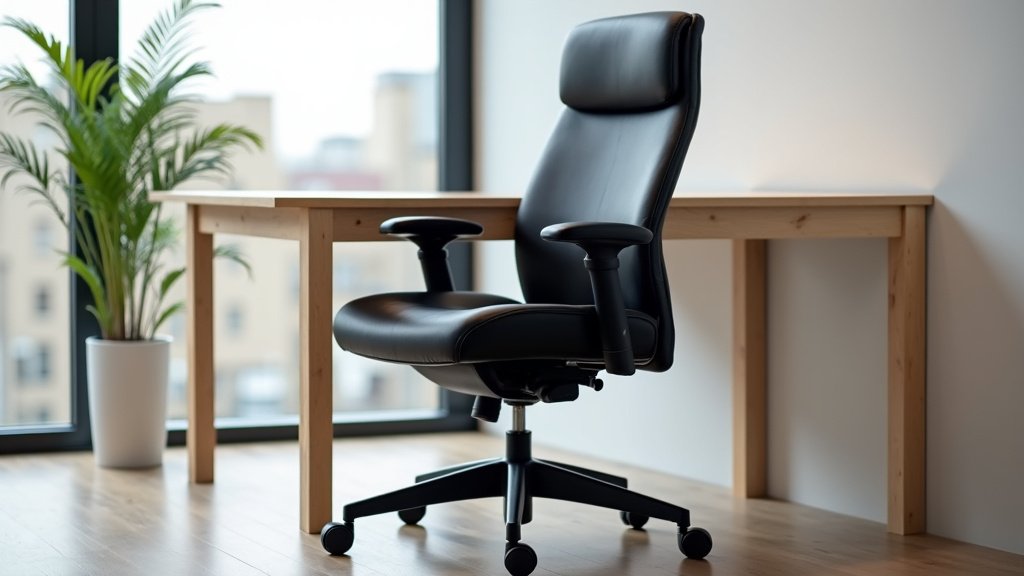
The Step-by-Step Tightening Process
Now that you have your tools and know what you’re looking for, you’re ready to tackle the loose chair back. This is the satisfying part where you bring stability back to your seating.
Locating and Accessing All Fasteners
Go back to your chair and precisely locate all the screws or bolts holding the back in place. Wiggle the back gently to confirm which connection points feel loose. If there are any decorative covers, remove them carefully as described earlier. Make sure you can get a clear view of each fastener’s head.
Tightening the Loose Fasteners
This is the core of the repair. Take your chosen tool – screwdriver or wrench – and fit it into the head of the fastener. Turn the tool clockwise. This is the universal direction for tightening. Apply firm, steady pressure. Don’t overtighten, as this can strip the threads or damage the chair frame. Just make them snug and secure.
One Fastener at a Time
It’s best to work on one fastener at a time. Tighten one screw or bolt until it’s snug. Then move to the next. This ensures even pressure distribution. We found that tightening them all at once might not address the core issue effectively. Focus on making each connection solid.
Checking for Stability as You Go
After tightening a couple of fasteners, gently test the chair back’s stability. Does it feel less wobbly? This gives you feedback and lets you know you’re on the right track. If it still feels loose, you may have missed a fastener or one might be stripped. Many guidelines suggest tightening until you feel firm resistance (Mayo Clinic).
Reattaching Any Covers
Once all fasteners are tightened and the chair back feels secure, you can reattach any plastic covers you removed. Most simply snap back into place. Ensure they are flush and secure. This gives your chair a finished look and protects the fasteners.
Troubleshooting Persistent Wobbles
What if tightening the visible screws doesn’t solve the problem? Don’t despair! Sometimes, the issue can be a bit more complex, but usually still fixable.
Checking for Stripped Threads or Screws
If a fastener just keeps spinning without getting tighter, its threads might be stripped. This means the screw or bolt can no longer grip the material it’s supposed to hold. We found that sometimes, a slightly larger screw or bolt of the same length can work as a replacement. If the hole itself is stripped, you might need a special repair kit, sometimes called a thread repair kit (NCBI).
Examining the Chair Mechanism
In some cases, the wobble might originate from the mechanism connecting the chair back to the seat. This could be a separate plate or bracket. Inspect these components for any cracks or damage. If the mechanism itself is broken, it might be a more involved repair or require replacement parts. Many chair manufacturers offer replacement parts if you have the model number.
When to Consider Professional Help or Replacement
If you’ve tried tightening all visible fasteners and the chair back remains loose, or if you suspect a broken internal part, it might be time for professional help. A local furniture repair shop can often diagnose and fix the issue. If the chair is old and heavily worn, or if repair costs are high, you might consider a new office chair. We found that investing in a good quality, ergonomic chair can save you discomfort in the long run.
Here’s a quick checklist to guide you:
- Identify fastener type: screws or bolts?
- Gather the correct tools: screwdriver or wrench set?
- Locate all connection points.
- Gently turn fasteners clockwise to tighten.
- Test stability after tightening.
- Address stripped threads or mechanism issues if needed.
Conclusion
You’ve learned how to tackle that wobbly office chair back. Most of the time, it’s just a matter of finding and tightening a few screws or bolts. We’ve seen that this simple fix can restore stability and prevent bigger issues down the road. Remember to use the right tools and turn clockwise to tighten. If you run into stubborn fasteners or suspect deeper damage, don’t hesitate to seek professional help or consider an upgrade. Now, go ahead and secure that chair for a more comfortable workday!
Frequently Asked Questions
How do I know if my office chair back is loose or just broken?
A loose back will typically feel wobbly and you’ll be able to detect movement at the connection points when you push on it. A broken chair back might have visible cracks or the back may detach completely. If you can tighten fasteners and the wobble reduces, it’s likely just loose.
Can I use any old screwdriver or wrench?
It’s best to use the correct size tool. Using a screwdriver or wrench that’s too small can strip the screw or bolt head, making it difficult to tighten. We found that a snug fit ensures you can apply enough torque without causing damage.
What if I can’t find any screws or bolts holding the chair back?
Some chairs have a more integrated design where the backrest is part of a larger frame or mechanism. In these cases, the attachment points might be hidden or require disassembling a larger part of the chair. Refer to your chair’s manual or contact the manufacturer if you can’t locate any obvious fasteners.
My chair back still feels a little loose after tightening. What else could be wrong?
If all visible fasteners are tight, the issue might be with the underlying mechanism connecting the back to the seat. Check this plate or bracket for any cracks or wear. It’s also possible a threaded insert within the chair frame has stripped, preventing a secure fit.
Is it worth repairing an old office chair back?
For a simple loose fastener, it’s definitely worth the quick fix. However, if the repair involves replacing complex parts or if the chair is generally worn out, it might be more cost-effective in the long run to invest in a new, ergonomic chair. We found that an old, ill-fitting chair can contribute to discomfort.