What Is the Best Chair for Sciatica?
On this page (3 sections)
The best office chair for sciatica offers excellent lumbar support, a comfortable seat cushion, and adjustability to reduce pressure on your sciatic nerve. We found that features like adjustable seat height, armrests, and backrests are key for comfort.
Living with sciatica pain can be tough, especially when sitting for long periods. You might wonder if changing your chair can really make a difference. Many experts say that the right chair can significantly ease your discomfort and help you maintain better posture throughout your day.
- Lumbar support is crucial for sciatic relief.
- Adjustability allows you to customize the fit.
- A comfortable seat reduces pressure points.
- Consider chairs designed for ergonomic benefits.
Let’s walk through exactly what makes a chair ideal for sciatica sufferers, so you can find relief and improve your daily comfort.
Finding the Best Chair for Sciatica Relief
So, you’re looking for a chair that won’t make your sciatica worse. That makes perfect sense. We found that the absolute best chair for sciatica is one that supports your natural spinal curve and allows for frequent position changes. It’s often a highly adjustable ergonomic office chair. We’ve compiled the key elements to look for, so you can make an informed choice.
Understanding Sciatica and Sitting Pain
First, let’s quickly touch on why sitting can be such a pain for sciatica. Sciatica is often caused by a pinched or irritated sciatic nerve. This nerve runs from your lower back, through your hips and buttocks, and down each leg (Mayo Clinic). When you sit, especially incorrectly, you can put extra pressure on this nerve. Imagine a garden hose that’s kinked – the flow stops. Your nerve works similarly, and pressure can cause pain, numbness, or tingling.
Your goal with a chair is to reduce pressure and keep your spine in a neutral, healthy alignment. This neutral posture helps open up space for the sciatic nerve. It’s not about finding a magic bullet, but rather a tool to help your body feel better.
Essential Chair Features for Sciatica
When you’re shopping for a chair, you’re not just looking for something to sit on. You’re looking for a tool to aid your comfort and health. We found that certain features are non-negotiable for sciatica sufferers.
Ergonomic Design for Spinal Health
An ergonomically designed task chair for sciatica is built to support the human body’s natural shape. Think of it as a custom fit for your spine. We found that these chairs focus on promoting a healthy posture, which is vital for managing sciatica. They help you sit in a way that minimizes strain on your lower back and hips.
Lumbar Support: Your Lower Back’s Best Friend
This is probably the most talked-about feature, and for good reason. Lumbar support fills the natural curve of your lower back. This helps prevent slouching and keeps your spine aligned. It’s like a gentle push that reminds your spine to stay in its optimal position. Many experts say that adjustable lumbar support is even better, as it lets you fine-tune the fit to your unique body. Some chairs even offer dynamic lumbar support that moves with you.
Seat Cushion: Comfort and Pressure Relief
The seat cushion might seem simple, but it’s incredibly important. A good cushion needs to be firm enough to support you but soft enough to relieve pressure points. We found that cushions made from high-density foam or memory foam are often best. They distribute your weight evenly, which helps reduce pressure on your tailbone and buttocks. Avoid seats that are too soft or saggy, as they can cause you to sink and misalign your spine.
- Firm but comfortable: Prevents sinking and maintains support.
- Contoured design: Promotes correct pelvic tilt.
- Breathable materials: Helps avoid heat buildup.
Adjustable Armrests: Taking Weight Off Your Shoulders
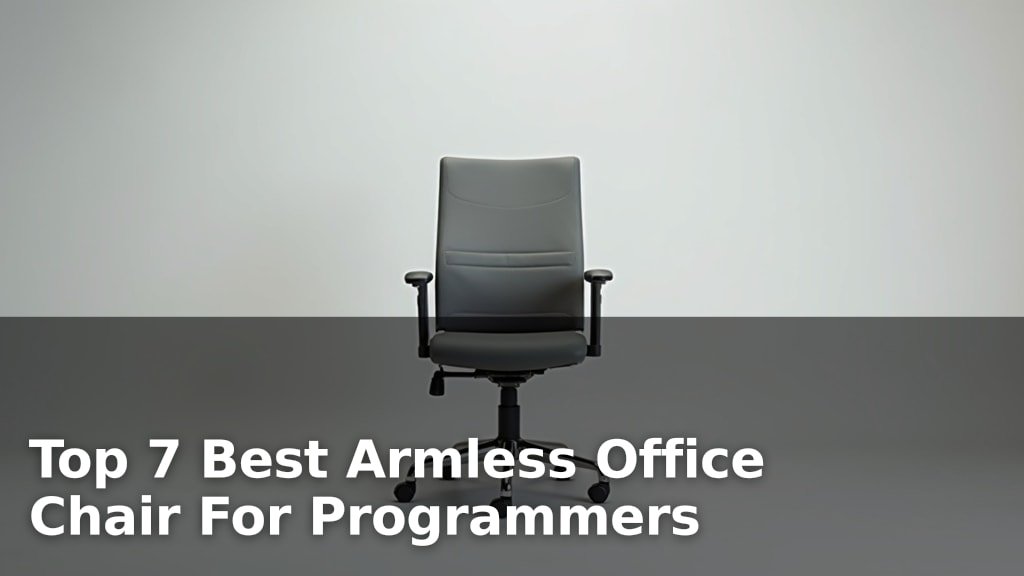
Armrests don’t directly support your lower back, but they play a significant role in overall posture. When set correctly, armrests allow you to rest your arms comfortably. This takes weight off your shoulders and neck, which in turn reduces overall tension in your upper body. Less upper body tension can translate to less strain on your back. We found that 2D, 3D, or 4D adjustable armrests offer the most versatility, allowing you to move them up and down, forward and back, or even pivot them.
The Importance of Adjustability
A chair isn’t a one-size-fits-all product, especially when you’re dealing with pain. Adjustability is key to personalizing your chair. It ensures the chair works with your body, not against it. We often compare it to finding the right pair of shoes – they need to fit perfectly to be comfortable.
Seat Height Adjustment
This is a basic, yet crucial, adjustment. Your feet should be flat on the floor, or on a footrest, with your knees forming a 90-degree angle. This position helps maintain proper circulation and keeps your hips in a neutral position. If your chair is too high, your feet will dangle, leading to pressure behind your thighs. Too low, and your hips might drop below your knees, curving your lower back.
Backrest Recline and Tilt
The ability to recline your backrest can be incredibly beneficial. We found that a slight recline (around 100-110 degrees) can actually reduce pressure on your spinal discs compared to sitting perfectly upright. Look for chairs with a tilt lock and tension control. The tilt tension lets you adjust how easily the chair reclines. This helps you find the most comfortable and supportive angle for your back throughout the day.
Some chairs offer a “synchro-tilt” mechanism, where the seat and backrest move together. This helps maintain a consistent angle between your body and the chair, which can be very comfortable for extended sitting (Cleveland Clinic).
Seat Depth Adjustment
This feature is often overlooked but important. Seat depth adjusts how much of your thigh rests on the chair. You want about two to four fingers’ width between the edge of the seat and the back of your knees. This ensures the seat supports your thighs without cutting off circulation or putting pressure on your calves. Proper seat depth helps maintain that crucial 90-degree knee angle.
Other Considerations for Sciatica Chairs
Beyond the core features, a few other things can make a big difference in your comfort and overall experience with a chair.
Chair Material and Breathability
The material of your chair can affect comfort, especially during long sitting periods. Mesh chairs for sciatica often offer great breathability, helping to keep you cool. Fabric chairs can also be comfortable, while leather can sometimes get warm. Choose a material that feels good to you and allows for some airflow. No one wants to feel sticky and hot while trying to manage pain.
Swivel and Mobility
A chair that swivels and has smooth-rolling casters can be surprisingly helpful. It allows you to move around your workspace without twisting your body unnecessarily. Twisting can aggravate sciatica, so anything that helps you maintain a neutral spine while reaching for things is a plus. We found that chairs with five-point bases are generally more stable and allow for better mobility.
Your Sciatica Chair Checklist
When you’re ready to start chair shopping, keep this quick checklist handy. It’ll help you focus on the most important features for sciatica relief:
- Excellent adjustable lumbar support: Can you customize the curve for your lower back?
- Comfortable, supportive seat cushion: Not too soft, not too hard, avoids pressure points.
- Adjustable seat height: Allows your feet to be flat on the floor with knees at 90 degrees.
- Adjustable backrest and recline: Can you find a relaxed angle that still supports your spine?
- Adjustable armrests: Can they support your arms and shoulders without shrugging?
- Good seat depth adjustment: Ensures proper thigh support without cutting off circulation.
Comparing Chair Types for Sciatica
You might be wondering if a specific type of chair is always best. Gaming chairs for sciatica are another option to compare alongside ergonomic office chairs. We found that while ergonomic office chairs are often the go-to, other types can offer benefits too, depending on your needs. Here’s a brief comparison:
| Chair Type | Best For | Benefits for Sciatica | Considerations |
|---|---|---|---|
| Ergonomic Office Chair | Desk work, long sitting periods | High adjustability, excellent lumbar support, encourages good posture. | Can be expensive, requires proper setup. |
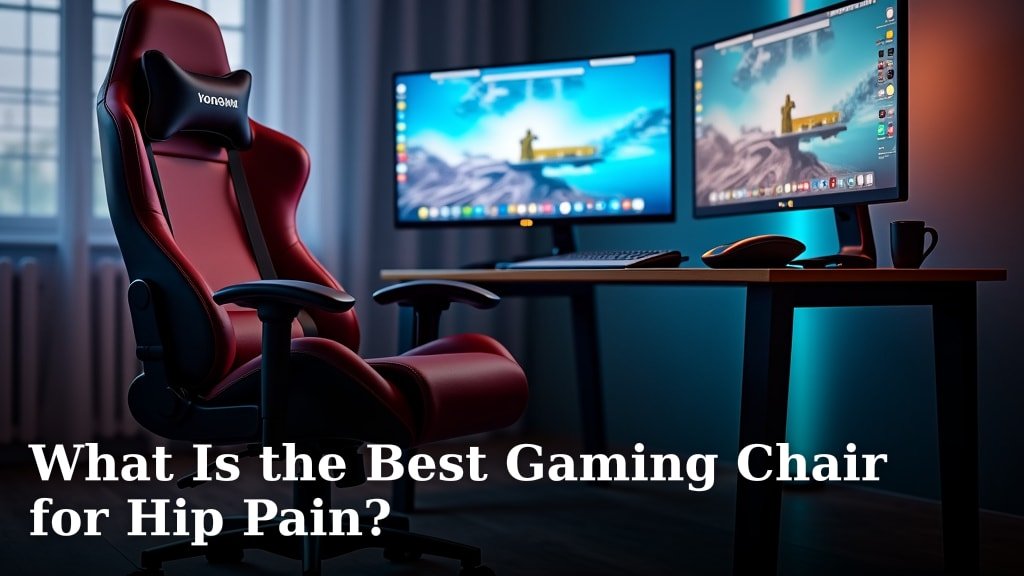
| Gaming Chair | Gaming, extended casual sitting | Often has high backrests, some lumbar/neck support pillows. | Not always truly ergonomic, can be oversized/bulky. |
| Kneeling Chair | Short-term sitting, posture correction | Changes pelvic tilt, reduces pressure on lower back discs. | Not ideal for very long periods, puts pressure on shins/knees. |
| Recliner (Zero-Gravity) | Resting, relaxing | Distributes body weight evenly, can relieve spinal compression. | Not suitable for desk work, takes up a lot of space. |
As you can see, each chair type has its pros and cons. We generally lean towards a highly adjustable ergonomic office chair for daily use, especially if you spend hours at a desk. But remember, the goal is to find what works best for your body and your specific needs.

Conclusion
Choosing the best chair for sciatica means prioritizing your health and comfort. We found that adjustable ergonomic chairs, designed to support your natural spinal curve, are often the most beneficial. Focus on features like excellent lumbar support, a firm yet comfortable seat, and the ability to customize every aspect to your body. Remember, your chair is a tool to help manage pain and improve your posture.
Take your time, consider your specific needs, and don’t be afraid to try out different options. Investing in the right chair is a proactive step toward relieving sciatica pain and improving your overall well-being. Your back will thank you!
Frequently Asked Questions
Can any ergonomic chair help with sciatica?
While many ergonomic chairs offer benefits, not all are equally effective for sciatica. Look specifically for chairs with highly adjustable lumbar support, seat depth, and recline functions. These features allow you to really fine-tune the fit for your unique needs and pain points.
Is a kneeling chair good for sciatica?
kneeling chairs for sciatica can change your pelvic tilt and sometimes offer relief by reducing pressure on the lower back. However, we found they are generally best for short-term sitting, as they can put pressure on your shins and knees, and aren’t ideal for all-day use.
How often should I get up if I have sciatica and use a good chair?
Even with the best chair, movement is key for sciatica. We recommend aiming to get up and move around every 30-60 minutes. Brief stretches or a short walk can help maintain circulation and prevent stiffness, further reducing nerve irritation.
Should I get a chair with a headrest for sciatica?
A headrest isn’t directly related to sciatica relief, which focuses on your lower back and legs. However, a good headrest can help support your neck and upper back, which reduces overall tension. Less upper body tension can indirectly benefit your lower back too.
What’s the ideal sitting posture for sciatica, even in a good chair?
Aim for your feet flat on the floor, knees at a 90-degree angle, and your lower back gently supported by the lumbar support. Your shoulders should be relaxed, and your elbows at your sides. This posture helps keep your spine neutral and minimizes pressure on the sciatic nerve.