Can You Use a Kneeling Chair All Day?
On this page (7 sections)
Yes, you can use a kneeling chair all day, but it’s not always the best choice for continuous, uninterrupted use. While a kneeling chair can offer excellent ergonomic benefits by promoting better posture and reducing back strain, your body needs variety. Switching positions is key to maintaining comfort and avoiding new types of discomfort.
Many people find that incorporating a kneeling chair into their workday provides a welcome change from a traditional desk setup. It encourages a more dynamic sitting posture, which can be great for circulation. However, just like any seating, prolonged static positions can lead to issues. Experts suggest alternating between sitting, standing, and moving throughout your day.
- Kneeling chairs can be used all day, but variety is important.
- They offer good posture support and can reduce back discomfort.
- Avoid staying in any single position for too long.
- Switching between kneeling, standing, and regular chairs is recommended.
- Listen to your body and adjust as needed for comfort.
Let’s walk through exactly how to best integrate a kneeling chair into your daily routine for maximum benefit and comfort.
Can You Spend Your Entire Workday in a Kneeling Chair?
You might be wondering if you can truly use a kneeling chair for your entire workday. The answer is a qualified yes, but with important considerations. While a kneeling chair can be a fantastic tool for improving your posture and relieving back pain, your body thrives on variety. Staying in any single position for too long, even an ergonomic one, can eventually lead to discomfort.
Think of it like this: even the most comfortable bed can make you stiff if you never get up. Your body needs movement and changes in position to keep blood flowing and muscles engaged. A kneeling chair is best viewed as one part of a dynamic workstation, not the sole solution.
The Benefits of Integrating a Kneeling Chair
So, why consider a kneeling chair at all? They’ve gained popularity for good reasons. Let’s look at the primary advantages you can experience when you introduce one into your routine.
Improved Posture and Reduced Back Strain
One of the biggest draws of a kneeling chair is its ability to encourage better posture. By design, it shifts your weight forward. This naturally opens up your hips and spine. Many users report a noticeable decrease in lower back pain after switching to a kneeling chair, especially those who experience discomfort with traditional seating.
When you sit in a standard chair, it’s easy to slouch. Your spine can round, and pressure builds up. A kneeling chair helps prevent this by aligning your spine more naturally. It makes it harder to adopt a hunched-over position. We found that this alignment can significantly reduce the load on your lumbar discs (National Institute for Occupational Safety and Health).
Enhanced Core Engagement
You might not realize it, but sitting in a kneeling chair can subtly engage your core muscles. Because it requires a bit more balance than a regular chair, your abdominal muscles are gently activated. This isn’t a strenuous workout, of course. It’s more about maintaining a stable posture. Over time, this can contribute to a stronger core without you even thinking about it.
Better Blood Circulation
Prolonged sitting, regardless of the chair type, can impede circulation. Kneeling chairs, by promoting a more open hip angle, can help improve blood flow in your legs and lower body. This is because they avoid the restrictive pressure that traditional chairs can place on the back of your thighs. Better circulation means less fatigue and a more alert feeling throughout your day.
Why Continuous Use Might Not Be Ideal
Now, let’s address the “all day” aspect. While you can sit in a kneeling chair for extended periods, it’s generally not recommended to do so without breaks or changes. Our bodies are designed to move, not to stay fixed in one position, no matter how ergonomic it is.
Potential for New Discomforts
If you spend all day in a kneeling chair, you might start to experience discomfort in different areas. Your shins and knees will be bearing weight, which can become sore. Some users report knee pain or pressure on their shins after long periods. It’s important to listen to your body and not push through discomfort.
The Importance of Variety in Posture
Experts in ergonomics consistently stress the importance of varying your posture throughout the day. This includes alternating between sitting, standing, and even reclining. A kneeling chair is excellent for the “sitting” portion, but it shouldn’t be the only sitting option you use. Researchers have found that changing positions every 30 minutes can reduce musculoskeletal strain (American Physical Therapy Association).
Muscle Fatigue and Adaptation
When you first start using a kneeling chair, you might feel a novel sensation. Your muscles are adapting to a new way of sitting. Over time, if you were to use it exclusively, those same muscles might become fatigued or even strained from being held in a particular way for too long. This is why gradual introduction and mixing it up is key.
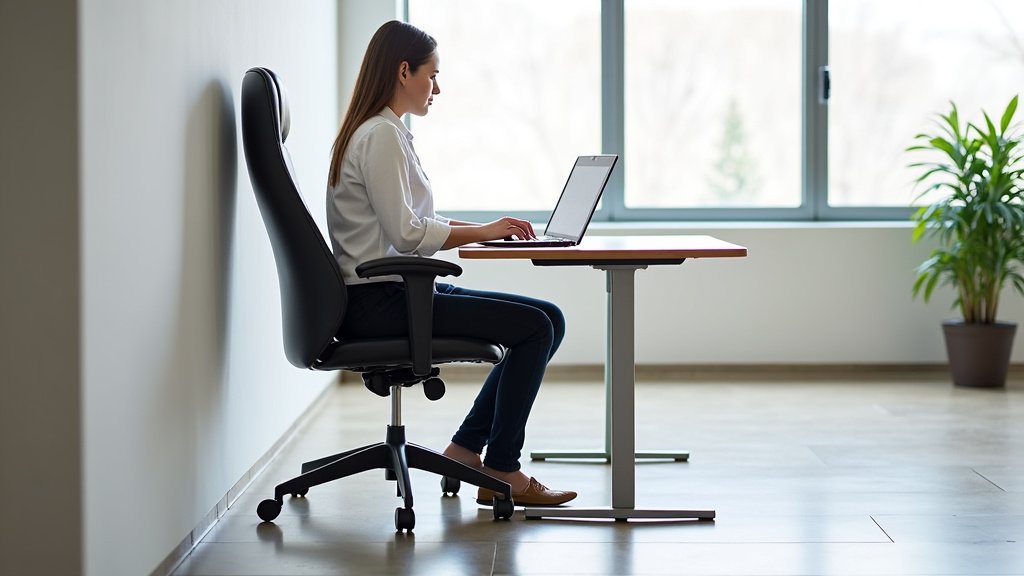
Creating a Balanced Workday with Your Kneeling Chair
The key to maximizing the benefits of a kneeling chair is smart integration. It’s about creating a workstation that supports movement and changes.
How to Gradually Introduce a Kneeling Chair
Don’t throw out your old chair just yet! Start by using your kneeling chair for short periods. Maybe an hour or two a day. Gradually increase the time as your body gets used to it. You can alternate between your kneeling chair and your regular desk chair. Or, if you have a standing desk, you can switch between kneeling and standing.
Many people find a schedule like this works well:
- Morning: Start with your kneeling chair for 1-2 hours.
- Mid-morning: Switch to standing or your regular chair for an hour.
- Lunch break: Get up and move!
- Afternoon: Use your kneeling chair again for 1-2 hours.
- Late afternoon: Stand or use your regular chair, incorporating short walks.
Using a Standing Desk with Your Kneeling Chair
If you have a standing desk, you have a fantastic setup for dynamic movement. You can easily switch between kneeling, standing, and perhaps even a traditional chair. This offers the most flexibility for your body. Think of the kneeling chair as a comfortable, active sitting option between standing periods.
What to Look for in a Kneeling Chair for All-Day Use (with caveats)
If you do plan to spend a significant portion of your day in a kneeling chair, choose one wisely. Look for:
- Adjustability: Height and angle adjustments are vital. You need to find the perfect fit for your body.
- Padding: Good quality padding on both the seat and knee rests is essential for comfort.
- Mobility: Wheels can make it easier to move around and reposition yourself.
Remember, even the best chair can’t replace the need for breaks and movement.
| Feature | Kneeling Chair | Traditional Chair |
|---|---|---|
| Posture Support | Encourages upright spine, open hips. | Can lead to slouching if not set up correctly. |
| Weight Distribution | Shifts weight forward, supports shins/knees. | Primarily supports buttocks and thighs. |
| Core Engagement | Slight to moderate. | Minimal to none. |
| Potential Discomfort | Knees, shins, prolonged static pressure. | Lower back, hips, poor circulation. |
| Best Use Case | Alternating with standing/other chairs. | Can be used for longer periods if ergonomic, but breaks are still needed. |
A Checklist for Healthy Kneeling Chair Use
To ensure you’re using your kneeling chair in the healthiest way possible, keep this checklist handy:
- Don’t stay seated longer than 60 minutes without changing positions.
- Incorporate standing periods into your workday.
- Take short walking breaks every 30-60 minutes.
- Listen to your body; if you feel pain, adjust or switch chairs.
- Ensure proper adjustment of your kneeling chair for your height.
- Alternate with a traditional chair or standing throughout the day.
By following these guidelines, you can enjoy the benefits of your kneeling chair without creating new problems. It’s all about balance and movement!
Conclusion
You’ve learned that a kneeling chair can be a fantastic addition to your workday, but it’s not a one-size-fits-all solution for all-day use. The key is variety. Your body needs to move and change positions to stay healthy and comfortable. Think of your kneeling chair as a tool for active sitting, best used in rotation with standing and traditional chairs. By integrating it smartly and listening to your body, you can truly enhance your comfort and posture at your desk. Start with short periods, gradually increase your time, and always prioritize movement throughout your day.
Frequently Asked Questions
Is it okay to use a kneeling chair for 8 hours straight?
While you can physically sit in a kneeling chair for 8 hours, it’s generally not recommended for continuous, uninterrupted use. Your body benefits most from shifting positions, even when using an ergonomic chair. Experts suggest changing your posture every 30-60 minutes to avoid stiffness and discomfort.
What happens if I use a kneeling chair too much?
If you exclusively use a kneeling chair for too long, you might experience discomfort in your knees and shins from bearing weight. You could also develop new muscle fatigue. The goal is variety, not just swapping one static posture for another, no matter how ergonomic it seems.
Can I switch between a kneeling chair and a regular chair throughout the day?
Absolutely! This is the ideal way to use a kneeling chair. Alternating between your kneeling chair and a traditional chair, or a standing desk, provides your body with the dynamic movement it needs. This mix helps you get the benefits of both without the drawbacks of staying in one position for too long.
How long should I use a kneeling chair each day when starting out?
When you’re new to kneeling chairs, start slow. Try using it for just 1-2 hours per day, perhaps split into two shorter sessions. Gradually increase this time over a week or two as your body adjusts. Pay close attention to how you feel and don’t push through any pain.
Will a kneeling chair make my knees hurt?
For some individuals, prolonged use of a kneeling chair can lead to knee discomfort because your knees are bearing weight. Ensuring your chair has good padding and adjusting it to the correct height can help. However, if you experience persistent knee pain, it’s a sign you should reduce your time in the kneeling chair and incorporate more movement or use a different seating option.