Can You Use an Exercise Ball Chair for Back Pain?
On this page (7 sections)
Yes, you can use an exercise ball chair for back pain, but with some important considerations. While they can offer benefits for posture and core strength, they aren’t a magic cure and may not be suitable for everyone experiencing back discomfort. It’s wise to consult your doctor before making the switch, especially if your pain is severe or chronic. We found that proper form is key to success.
These stability ball chairs can help by engaging your core muscles, which support your spine. This can lead to improved spinal alignment and reduced strain. However, sitting on a ball for too long without breaks can also cause fatigue and potentially worsen pain if your core muscles aren’t ready. Many experts suggest a gradual transition to using one.
- Exercise ball chairs can help with posture.
- They engage your core muscles to support your spine.
- Not a cure-all; consult a doctor first. Not a cure-all; consult a doctor first if you have back pain.
- Gradual use and proper form are essential.
- Breaks are important to avoid fatigue.
Ready to see if an exercise ball chair could be the right move for your back? Let’s break down the pros, cons, and how to use one effectively to potentially ease your discomfort.
You’re here because you’re likely dealing with some back discomfort, and you’ve heard about exercise ball chairs as a potential solution. It’s a smart move to research before you jump in! These chairs, often called stability ball chairs or physioball chairs, have gained popularity for their promise of better posture and a stronger core. But do they really help with back pain? Let’s get to the bottom of it. Learn more about the ball chair versus ergonomic chair comparison.
Do Exercise Ball Chairs Help Your Back?
The short answer is: they can. But it’s not a simple yes or no. When used correctly, an exercise ball chair can encourage you to sit with better posture and engage your core muscles. These muscles act like a natural corset for your spine. Strengthening them can provide better support and potentially reduce strain. Many people find they feel more upright and less slouched when sitting on a ball.
Think of it like this: your spine is the central beam of your body. Your core muscles are the cables that hold that beam steady. If those cables are weak, the beam might sag or be under more pressure. An exercise ball chair, by design, forces you to keep those “cables” active. This constant engagement can lead to improved spinal alignment over time. We found that consistent use, even for short periods, can make a difference for some.
The Science Behind the Stability Ball
It all comes down to something called proprioception. This is your body’s ability to sense its position in space. Sitting on an unstable surface like an exercise ball constantly challenges your balance. This, in turn, forces your stabilizing muscles to work harder. These aren’t just your big, obvious muscles; they include the smaller, deeper muscles around your spine and abdomen. Strengthening these can greatly impact your back health.
Core Engagement and Posture
When you sit on a regular chair, it’s easy to slouch or lean. Your body can get a bit lazy. An exercise ball chair, however, doesn’t let you get away with that! To stay balanced, you naturally engage your abdominal muscles and your back muscles. This subtle but continuous work can help build endurance in your core. Good core strength is fundamental for maintaining an upright posture. We found that people often become more aware of their posture throughout the day.
Benefits Supported by Research
Several studies have explored the effects of sitting on stability balls. Research has indicated that using stability balls can lead to increased activation of core muscles compared to sitting on a standard office chair (University of Washington). This muscle activation is what helps support your spine. Some studies also suggest potential improvements in spinal alignment and reductions in lower back pain for individuals with specific types of discomfort (National Institutes of Health).
Potential Downsides and What to Watch For
Now, it’s not all sunshine and perfect posture. There are definitely things you need to be aware of before you commit. For starters, not everyone is ready to sit on a ball all day. If your back pain is severe or you have certain medical conditions, a stability ball might actually exacerbate your pain. It’s like trying to run a marathon without any training – you’re likely to get hurt.
The Risk of Overdoing It
Your core muscles need time to adapt. If you’re not used to this kind of engagement, sitting on a ball for too long can lead to fatigue. When your muscles get tired, they can’t support your spine effectively anymore. This can cause you to slouch, lean, or even adopt an unnatural posture to compensate. This fatigue can result in new aches or worsening pain. Many experts recommend starting with short intervals. We found that even 15-30 minutes at a time can be beneficial initially.
When It Might Not Be the Best Choice
If your back pain is caused by muscle weakness, disc issues, or specific structural problems, a stability ball might not be the right approach. For example, if you have a herniated disc, the constant slight movements might put unwanted pressure on the injured area. Likewise, if you have severe osteoporosis, the instability could be a risk. It’s always best to consult with a healthcare professional. They can help determine the root cause of your pain and whether a stability ball is a safe option for you.
Proper Ergonomics Still Matter
Even on a stability ball, good ergonomics are important. Your desk height, monitor position, and keyboard placement still matter. If your setup isn’t ergonomic, you could be creating new problems, even if your core is engaged. You want to ensure your wrists are neutral, your screen is at eye level, and your feet are flat on the floor (or on a footrest). A stability ball doesn’t magically fix a bad desk setup. It just changes the seat.
Making the Transition: Tips for Success
So, you’ve decided to give it a try, or you’re considering it. That’s fantastic! The key here is a gradual and mindful approach. Don’t just toss your old chair and expect miracles. You need to ease into it.
Start Small and Build Up
This is probably the most important tip. Begin by using the exercise ball chair for short periods. Maybe just 15-30 minutes at a time, a few times a day. Use it when you feel most alert and energetic. As your core muscles get stronger and you feel more comfortable, you can gradually increase the duration. Pay attention to how your body feels. If you start to feel tired or achy, switch back to your regular chair. We found that patience is truly a virtue here.
Listen to Your Body
This can’t be stressed enough. Your body will tell you what it needs. If you experience any sharp pain, increased discomfort, or unusual fatigue, stop. Don’t push through it. This isn’t about enduring pain; it’s about finding a better way to sit that supports your body. A little soreness as your muscles adapt is one thing, but actual pain is a signal to re-evaluate your approach.
Incorporate Movement and Breaks
Even if you’re sitting on an exercise ball, you still need to move! Get up and walk around at least once an hour. Stretch your back, arms, and legs. Standing breaks are excellent for giving your spine a different kind of support and relieving pressure. Think of your stability ball chair as one tool in your back-pain-management toolbox, not the only one. Movement is key to a healthy spine (CDC).
Ensure Proper Inflation and Size
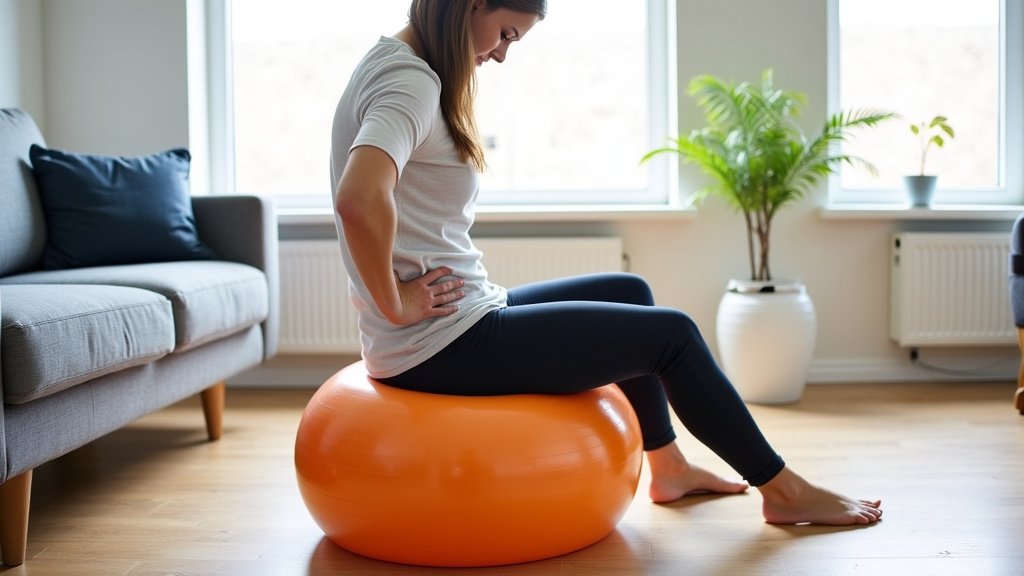
The size of the ball matters. When you sit on the ball, your hips should be at about a 90-degree angle, and your feet should be flat on the floor. If the ball is too small, you’ll be sitting too high. If it’s too large, you’ll be slouching. Proper inflation also affects stability and comfort. Make sure the ball is inflated to the manufacturer’s recommendation for optimal support. We found that a properly sized and inflated ball makes a world of difference in comfort and effectiveness. Taller readers can compare models in our guide to exercise ball chairs for tall people.
A Quick Checklist for Getting Started
Ready to give it a shot? Here’s a quick checklist to help you make the transition smoother:
- Consult your doctor first, especially if you have pre-existing back conditions.
- Start with short intervals (15-30 minutes) and gradually increase time.
- Listen to your body – stop if you feel pain or excessive fatigue.
- Ensure proper ball size for correct hip and knee angles.
- Maintain good posture: sit tall, shoulders relaxed, feet flat.
- Remember to take regular breaks and move around.
Incorporating an exercise ball chair can be a positive step for managing back pain and improving posture. But it requires careful consideration, a gradual approach, and a willingness to listen to your body’s signals. By understanding its benefits and limitations, you can make an informed decision about whether it’s the right fit for your journey toward a healthier back.
Conclusion
So, can an exercise ball chair help with your back pain? The answer is a qualified yes. We’ve seen how it can boost core strength and improve posture by engaging your muscles. However, it’s not a one-size-fits-all solution. You need to transition slowly, listen to your body, and ensure proper setup. Don’t forget to keep up with regular movement and breaks.
Your journey to a healthier back is unique. If you’re considering an exercise ball chair, start with a short conversation with your doctor. Then, try it out with short, mindful sessions. Your body will guide you toward what feels best.
Frequently Asked Questions
How long should I sit on an exercise ball chair each day when I first start?
When you’re starting out, aim for short intervals of 15-30 minutes at a time. It’s best to do this a few times a day rather than sitting for a long stretch. Gradually increase the time as your body gets used to it.
Can an exercise ball chair actually make my back pain worse?
Yes, it’s possible if you overdo it or if your pain has a specific cause that the ball exacerbates. Sitting for too long without breaks can lead to muscle fatigue, which might increase discomfort. Always listen to your body and stop if you feel pain.
What if I have a herniated disc; is an exercise ball chair safe?
For conditions like a herniated disc, an exercise ball chair might not be suitable. The constant subtle movements could put extra pressure on the injured disc. It’s essential to consult your doctor or a physical therapist before trying one.
How do I know if I have the right size exercise ball chair?
A properly sized ball chair allows your hips to be at about a 90-degree angle. Your knees should be roughly level with your hips, and your feet should rest flat on the floor. If the ball is too low or too high, it can affect your posture.
Should I get rid of my regular office chair completely if I use an exercise ball chair?
Not necessarily, especially when you’re first transitioning. Many people find it beneficial to alternate between their regular chair and the exercise ball chair. This helps prevent fatigue and allows your body to adjust gradually.