How Much Should You Spend on an Office Chair?
On this page (6 sections)
When asking “how much should you spend on an office chair,” we found that most people spend between $200 and $500. However, the ideal amount really depends on your needs and budget. A good chair is an investment in your comfort and health.
You’re not just buying a seat; you’re buying support for long hours. We found that investing more often means better ergonomics and longer-lasting durability. Think about how many hours you’ll spend in it each week.
- Aim for $200-$500 for a solid balance of quality and price.
- Spending more can mean better ergonomics and materials.
- Less than $100 might lead to discomfort and quick replacement.
- Consider features like adjustability, lumbar support, and materials.
- Your health and productivity are worth the investment.
Let’s walk through how to figure out your perfect office chair budget and what features truly matter.
Understanding Your Office Chair Investment
So, you’re ready to find the right office chair for you. How much should you really set aside for this important purchase? It’s not just about the price tag. It’s about what you get for your money. Think of it as investing in your daily comfort and long-term health.
We found that people often overlook how much time they spend sitting. If you’re at a desk for 40 hours a week, a cheap chair might cause more problems than it solves. Let’s break down how to decide what’s right for you.
Budget Tiers for Office Chairs
Office chairs come in many price ranges. Each tier offers different levels of quality and features. Knowing these tiers can help you set your expectations. It also helps you decide where to compromise, if needed.
Under $100: Basic and Temporary
Chairs in this price range are usually very basic. They often lack good ergonomic features. You might find some minimal padding and limited adjustability. These chairs are okay for very occasional use. Think of them for a guest desk or a quick temporary setup. They are usually not built to last. Many users report discomfort after only a few hours of sitting (Journal of Applied Ergonomics).
$100-$300: Entry-Level Ergonomics
This is where you start to see some better options. You’ll find chairs with better cushioning and perhaps some basic lumbar support. They often have height adjustment and maybe tilt functions. These chairs can be a good choice for those on a tighter budget. They work well if you don’t spend all day every day at your desk. They offer a significant step up from the sub-$100 options.
$300-$700: Mid-Range Quality and Features
This is the sweet spot for many people. Chairs here offer a good balance of ergonomics, durability, and comfort. You’ll often find more adjustable features. This includes adjustable armrests, better lumbar support, and more robust materials. Many popular home office chairs fall into this category. They are designed for regular, daily use.
$700-$1500+: Premium and High-End
Chairs in this range are often considered professional-grade. They come with advanced ergonomic designs. They use high-quality, durable materials. Think breathable mesh, genuine leather, and strong metal frames. These chairs are built to last for many years. They offer extensive adjustability to fit nearly any body type. They are ideal for people who spend many hours daily in their chair. These are often seen in corporate offices.
$1500+: Luxury and Specialized
At the very top, you’ll find chairs with all the bells and whistles. These might include memory foam, advanced synchronous tilt mechanisms, and even heating or massage functions. They often come from well-known luxury brands. These are for those who want the absolute best and are willing to pay for it. They combine top-tier ergonomics with premium aesthetics and materials.
Factors That Influence Office Chair Cost
Why do some chairs cost so much more than others? Several key factors drive the price. Understanding these can help you evaluate if a chair is worth its cost. It’s like buying a car; you pay for specific features and build quality.
Ergonomics and Adjustability
This is perhaps the most important factor. An ergonomic chair supports your body in a natural posture. This reduces strain and discomfort. The more adjustments a chair offers, the more precisely you can tailor it to your body. Look for chairs with adjustable seat height, seat depth, armrests, and lumbar support. Good ergonomics prevent future back pain (American Chiropractic Association).
Materials and Construction
The type of materials used greatly impacts the price. Cheaper chairs often use plastic and low-density foam. More expensive chairs use stronger metals like aluminum, high-density foam, and durable fabrics or leather, which can affect chair weight capacity. Quality materials not only feel better but also last much longer. A chair made with poor materials will wear out quickly.
Brand Reputation and Warranty
Established brands often cost more. They have a reputation for quality and stand behind their products. Many high-end chairs come with generous warranties. Sometimes these warranties cover parts for 5 to 10 years or even longer. A good warranty can save you money down the road if anything breaks. This peace of mind is part of the cost.
Additional Features
Some chairs come with extra features. This can include headrests, footrests, recline locks, or specialized mechanisms. These additions can increase comfort and functionality. However, they also add to the overall cost. Decide which extra features are truly essential for your needs.
When to Invest More (And When to Save)
Not everyone needs a $1,000 chair. Your personal situation dictates how much you should spend. Let’s look at different scenarios. This will help you decide if a premium chair is a smart investment for you.
Your Daily Desk Time
This is a big one. How many hours a day do you actually spend sitting? If it’s more than 4 hours, a higher-quality chair is usually worth it. Your body will thank you. For occasional use, a basic model might be fine. For full-time remote workers or office professionals, a cheap chair is a false economy.
Existing Health Conditions
Do you have back pain, neck pain, or other musculoskeletal issues? If so, investing in an ergonomic chair is crucial. A well-designed chair can provide the necessary support. It can prevent your condition from worsening. Sometimes, it can even alleviate symptoms. Consult with your doctor or a physical therapist. They might have specific recommendations for you.
Budget Constraints
We all have limits on what we can spend. If your budget is tight, aim for the best chair you can afford within your price range. Prioritize core ergonomic features like adjustable height and lumbar support. You might need to compromise on aesthetics or fancy materials. Remember, even a mid-range chair is better than one that causes pain.
Longevity and Durability
Consider how long you expect the chair to last. A cheaper chair might need replacing every couple of years. A high-end chair could last a decade or more. Over time, the more expensive chair might actually be more cost-effective. It’s like comparing a disposable pen to a quality fountain pen.
Your Office Chair Checklist
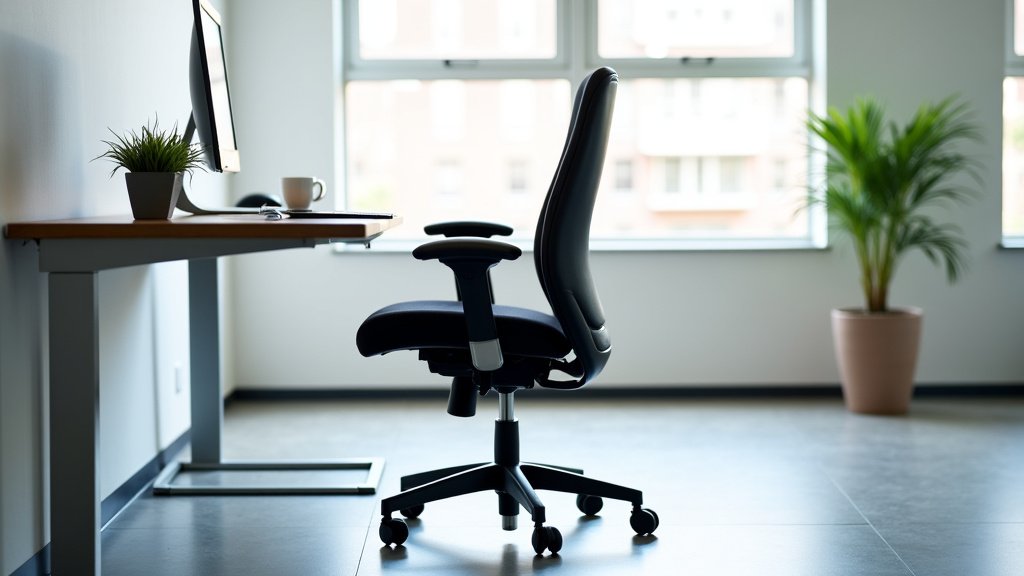
Before you buy, use this checklist. It will help you narrow down your choices. Make sure the chair you pick meets your most important needs.
- Adjustable Seat Height: Can your feet rest flat on the floor with knees at a 90-degree angle?
- Lumbar Support: Does it support the natural curve of your lower back? Is it adjustable?
- Armrests: Are they adjustable in height and width? Can they support your arms comfortably?
- Seat Depth: Can you sit with about 2-4 inches between the front of the seat and the back of your knees?
- Material: Is it breathable and comfortable? Does it feel durable?
- Stability: Does the chair feel stable? Does it have a five-point base with smooth-rolling casters?
Here’s a quick way to compare chair features across different price points:
| Price Range | Typical Features | Durability | Best For |
|---|---|---|---|
| Under $100 | Fixed height, minimal padding | Low (1-2 years) | Very occasional use, temporary needs |
| $100-$300 | Height adjust, basic tilt, some lumbar | Medium (2-4 years) | Part-time use, limited budget |
| $300-$700 | Full adjustability, good lumbar, better materials | High (5-10 years) | Daily use, home office, good value |
| $700-$1500+ | Advanced ergonomics, premium materials, long warranty | Very High (10+ years) | Full-time professionals, health concerns |
Ultimately, your ideal chair budget is a personal decision. It balances your health needs, usage patterns, and financial limits. Don’t view an office chair as just another piece of furniture. See it as a crucial tool for your productivity and well-being.
Conclusion
Deciding how much to spend on an office chair is a very personal choice. We’ve found that investing in a quality chair isn’t just about comfort; it’s about safeguarding your health and boosting your productivity. While $200-$500 offers a great balance, your daily desk time and any existing health concerns should guide your budget.
Don’t view an office chair as a mere expense. See it as a long-term investment in your well-being. Take the time to assess your needs, compare features, and choose a chair that truly supports you. Your body will thank you for it, day after day.
Frequently Asked Questions
Is a more expensive office chair always better?
Not always, but higher-priced chairs often offer superior ergonomics, better materials, and longer warranties. You pay for durability and advanced adjustability, which can be crucial for long-term comfort and health.
What is the minimum I should spend for a decent office chair?
For a chair that offers basic ergonomics and comfort for regular use, we found that spending at least $100-$300 is a good starting point. Chairs under $100 are typically only suitable for very occasional or temporary use.
How long should an office chair last?
A budget chair (under $100) might last 1-2 years, while a mid-range chair ($300-$700) can last 5-10 years. Premium chairs ($700+) are often built to last a decade or more, thanks to higher quality materials and construction.
Can a good office chair really help with back pain?
Yes, a well-designed ergonomic office chair can significantly reduce or prevent back pain. It provides proper lumbar support and encourages good posture, alleviating strain on your spine. Consult a doctor for specific recommendations if you have chronic pain.
Should I buy a used high-end office chair to save money?
Buying a used high-end chair can be a smart way to get quality at a lower price. Just be sure to inspect it for wear and tear, especially the hydraulics and cushioning. Check if any warranty transfers with the purchase.