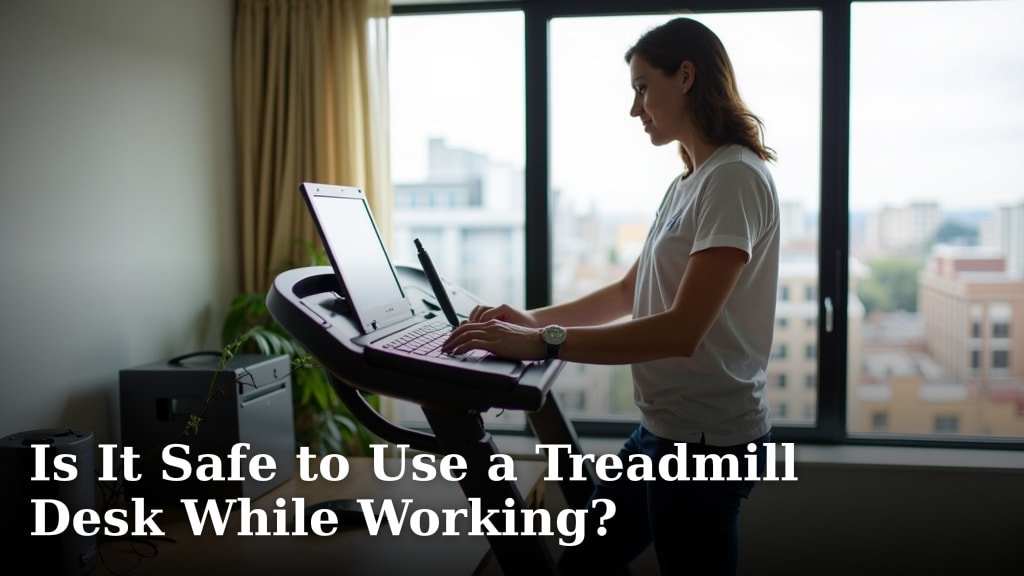
Can You Put a Treadmill Desk on Carpet?
On this page (3 sections)
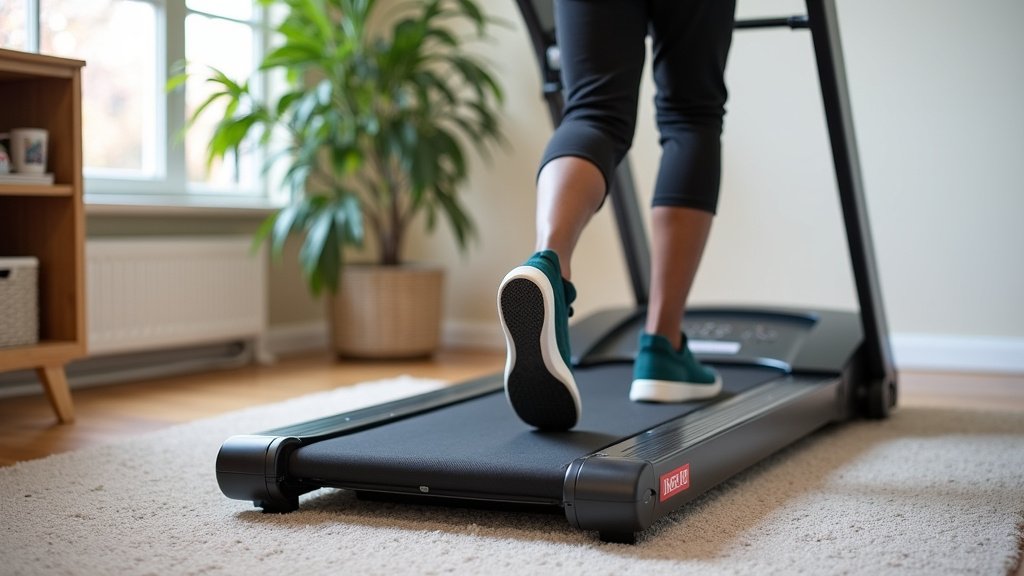
Yes, you can put a treadmill desk on carpet, but you need to take a few precautions. Simply placing it down can lead to instability and potential damage. We’ve researched the best ways to make this setup work safely in your home office.
Putting a treadmill desk on carpet presents unique challenges. Without proper support, the desk might wobble, making it difficult to work. It can also cause the carpet fibers to wear down unevenly. Many users worry about this setup, and for good reason.
- Treadmill desks can go on carpet.
- You need a sturdy base to prevent wobbling.
- Protect your carpet from wear and tear.
- Consider a mat or plywood for stability.
Below, we’ll walk you through exactly how to set up your treadmill desk on carpet so you can get your steps in without any worries!
Setting Up Your Treadmill Desk on Carpet Safely
So, you’re wondering if you can actually put a treadmill desk on carpet. The short answer is yes, you can! But it’s not as simple as just placing it down and hoping for the best. You need to be smart about it to avoid problems. We’ve looked into what makes this setup work well and what you should watch out for.
Carpet can be a bit tricky for heavy equipment like treadmill desks. It’s soft and can shift. This means your treadmill desk might wobble, making it hard to focus on work. Plus, the constant motion can really damage your carpet over time. It’s a common concern, and thankfully, there are proven solutions.
Why Carpet Can Be a Problem for Treadmill Desks
Carpet isn’t exactly known for its rock-solid stability. Think about it – it’s made of fibers designed to be soft and forgiving. When you add the weight and movement of a treadmill desk, things can get a little… wobbly. This instability isn’t just annoying; it can also be a safety concern. If your desk shifts while you’re walking, you could lose your balance.
We found that the main issue is the carpet’s tendency to compress under weight. This compression creates an uneven surface. When your treadmill desk sits on this uneven surface, it’s like trying to stand on a lumpy mattress. It’s not stable. This is why many treadmill desk manufacturers recommend a hard, level surface.
The Wobble Factor
That dreaded wobble is your biggest enemy. It makes typing difficult and can even make you feel a bit seasick. A wobbly desk means the legs aren’t planted firmly. On carpet, the fibers can give way, allowing one leg to sink lower than another. It’s a recipe for a frustrating work experience.
Carpet Wear and Tear
Your carpet might not survive the experience without some help. The constant friction and weight of the treadmill desk can crush and tear carpet fibers. You might end up with permanent indentations or worn-out patches. This can be particularly bad if you move the desk around a lot. It’s like dragging heavy furniture across a nice rug – damage is almost guaranteed without protection.
Essential Solutions for Carpet Stability
The good news is that you don’t have to give up on your treadmill desk dream just because you have carpet. We’ve found that the key is to create a stable, rigid platform between the treadmill desk and the carpet. This platform will distribute the weight evenly and prevent the legs from sinking.
The Power of a Protective Mat
A good quality treadmill mat is your first line of defense. These mats are typically made of dense rubber or PVC. They are designed to withstand heavy equipment and protect your flooring. For carpet, you want a mat that’s thick and firm. It needs to be substantial enough to prevent the treadmill desk’s feet from digging into the carpet.
We found that thicker mats (around 6mm or more) perform best on carpet. They create a more uniform surface. This helps to minimize the compression of carpet fibers. Some mats are specifically designed for treadmills and offer excellent shock absorption. This is great for protecting both your carpet and your joints.
Going the Extra Mile: Plywood or Hardboard
For the ultimate in stability, especially on thicker carpets, consider adding a layer of plywood or hardboard under your treadmill mat. You can buy a piece of plywood or hardboard from a hardware store. Make sure it’s sturdy and flat. Cut it to a size that’s slightly larger than the base of your treadmill desk.
Place this board directly on the carpet first. Then, put your treadmill mat on top of the board. Finally, place your treadmill desk on the mat. This creates a rigid, self-contained base. It’s like giving your treadmill desk its own personal, stable floor. We’ve seen this method recommended frequently for ensuring a wobble-free experience.
| Option | Pros | Cons | Best For |
|---|---|---|---|
| Treadmill Mat Only | Easy to set up, protects carpet from scuffs. | May not be enough for very thick carpets, potential for some wobble. | Thinner carpets, lighter treadmill desks. |
| Plywood/Hardboard + Mat | Maximum stability, prevents sinking, excellent wobble reduction. | Requires some cutting, heavier to move, might look less aesthetic. | Thicker carpets, heavier desks, maximum stability needs. |
Ensuring Proper Placement and Setup
Once you have your stabilizing platform in place, it’s time to position your treadmill desk. Think about where you want it to go in your workspace. You’ll need enough room to walk comfortably without bumping into anything.
Clearance is Key
Make sure there’s adequate space around the treadmill. You don’t want to feel boxed in. Leave enough room to step on and off the treadmill safely. Also, consider the height of your desk and chair. You’ll need to adjust it so you can type and use your computer while walking. Many experts recommend a setup where your elbows are at about a 90-degree angle when typing.
Leveling the Playing Field (Literally)
Even with a mat or board, it’s a good idea to check if your treadmill desk is level. Some treadmill desks have adjustable feet. If yours does, use them to fine-tune the balance. You can place a small spirit level on the desk surface. Adjust the feet until the bubble is centered. This helps ensure even weight distribution and reduces strain on the machine.
Weight Distribution and Your Carpet’s Health
Treadmill desks are heavy. When you add your weight and the motion of walking, the load on the carpet increases significantly. Proper support is essential to prevent damage. We found that distributing the weight evenly is critical for long-term carpet life.
Understanding the Pressure Points
The feet of the treadmill desk are the main pressure points. Without a solid base, these feet will sink into the carpet. This creates concentrated pressure that can crush fibers. A mat or board spreads this pressure out over a larger area. This reduces the intensity of the force on any single point.
Many health and wellness sites suggest that regular movement throughout the workday is beneficial. Using a treadmill desk can help you achieve this (CDC). However, making sure your setup is safe and stable is the first step. You want to focus on your work and your steps, not on whether your desk is about to tip over!
Tips for a Smooth Treadmill Desk Experience on Carpet
Here are a few extra tips we’ve gathered to make your treadmill desk setup on carpet a success. These are simple steps that can make a big difference:
- Choose the right mat: Opt for a thick, dense mat specifically designed for exercise equipment or treadmills.
- Consider a hard surface: For maximum stability, use a piece of plywood or hardboard underneath your mat.
- Check for levelness: Use adjustable feet if available to ensure your desk sits perfectly flat.
- Regularly inspect: Keep an eye on your carpet and the treadmill desk for any signs of wear or instability.
- Adjust your walking speed: Start slow and gradually increase your pace as you get used to working and walking.
- Listen to your body: Take breaks when you need them, and don’t push yourself too hard, especially when first starting.
Conclusion
You absolutely can set up your treadmill desk on carpet, but it requires a thoughtful approach. We’ve learned that direct placement can lead to instability and damage to your floors. By implementing the right solutions, like using a sturdy treadmill mat or a plywood base, you create a stable environment.
This ensures your desk stays put and your carpet stays in good condition. Prioritize a solid foundation to enjoy the benefits of walking while you work without worry. Your next step is to choose the best stabilizing solution for your specific carpet type and desk weight.
Frequently Asked Questions
How thick should a mat be for a treadmill desk on carpet?
For most carpets, we’ve found that a mat at least 6mm thick offers good protection and stability. Thicker, denser mats provide better support and prevent the desk legs from sinking too deeply into the carpet fibers.
Can a treadmill desk damage my carpet even with a mat?
While a mat significantly reduces the risk, heavy desks on very plush carpets could still cause some minor indentations over time. Adding a piece of plywood or hardboard underneath the mat offers the best protection against damage.
What if my treadmill desk still wobbles after using a mat?
If you experience wobbling, it likely means the carpet is too thick or uneven for the mat alone. We recommend adding a rigid layer like plywood underneath your mat. Also, check if your desk has adjustable feet to fine-tune its levelness.
Is it okay to move the treadmill desk frequently on carpet?
Moving a treadmill desk on carpet, even with a mat, can cause wear. It’s best to minimize frequent repositioning. If you must move it, lift it carefully rather than dragging it to protect both the desk and your carpet.
How can I tell if my treadmill desk setup on carpet is stable enough?
You’ll know it’s stable if the desk doesn’t rock or shift when you’re walking or typing. Listen for any unusual creaking noises. A quick test is to gently push on the desk from different angles to ensure it feels solid and secure.