Desk Facing Wall vs Room: Which is Better?
On this page (11 sections)
- Why Desk Position Matters More Than You Think
- Desk Facing Wall: The Focus Champion
- Desk Facing Room: The Awareness Winner
- The Science of Workspace Psychology
- Practical Setup Tips for Both Options
- Room Layout Considerations
- Making the Right Choice for Your Work Style
- Hybrid Solutions That Work
- Testing Your Choice
- Common Mistakes to Avoid
- Conclusion
Facing your desk toward the wall creates fewer distractions and better focus, while facing the room offers better social connection and spatial awareness.
The best desk position depends on your work style, room layout, and whether you need privacy or collaboration in your home office setup.
Why Desk Position Matters More Than You Think
Your desk position shapes your entire workday. It affects how you feel, how much you get done, and even your stress levels.
From what I read, workspace design can boost productivity by up to 20% when done right (Harvard Business Review). That’s huge when you think about it.
Let me walk you through both options so you can pick what works for your brain and your space.
Desk Facing Wall: The Focus Champion
When you face a wall, your brain has fewer things to process. It’s like wearing noise-canceling headphones for your eyes.
Benefits of Wall-Facing Desks
You’ll get into deep work faster. There’s no hallway traffic, no window movement, no visual chaos pulling your attention away.
Many experts say this setup works best for people who do detailed work like writing, coding, or accounting. Your mind can tunnel into the task without outside interference.
- Fewer visual distractions mean better concentration
- Creates a natural “work cocoon” feeling
- Easier to maintain focus for long periods
- Better for detail-oriented tasks
Making Wall-Facing Work Better
Don’t just stare at blank drywall all day. Add a small shelf with plants or a simple piece of art. Keep it minimal but not sterile.
Good lighting becomes extra important here. You don’t want to feel like you’re in a cave.
Drawbacks of the Wall Setup
Some people feel trapped or claustrophobic facing a wall. It can feel isolating, especially if you’re used to open spaces.
You might miss important things happening behind you. If someone enters your office, you won’t see them coming.
Who Should Avoid Wall-Facing
Skip this setup if you get anxious with your back to the room. Also avoid it if you need to monitor kids, pets, or frequently have visitors.
Desk Facing Room: The Awareness Winner
Facing into your room gives you control and connection. You see everything that happens in your space.
Benefits of Room-Facing Desks
You feel more in charge of your environment. It’s like being the captain of your own ship instead of a passenger.
This position works great if you take video calls, have family around, or just like feeling connected to your space.
- Better awareness of your surroundings
- More welcoming for visitors or family
- Feels more open and social
- Better for collaborative work
The Psychology Behind Room-Facing
Research often connects spatial awareness with reduced stress levels (American Psychological Association). When you can see your whole space, your brain relaxes.
It’s the same reason most people don’t like sitting with their back to restaurant entrances.
Challenges with Room-Facing Setup
Every movement in your peripheral vision can break your focus. A bird outside the window, someone walking by, even shadows moving can pull your attention.
You might find yourself daydreaming more or getting distracted by things in your room that need attention.
When Room-Facing Backfires
If your room faces a busy area or you’re easily distracted, this setup might hurt your productivity more than help it.
The Science of Workspace Psychology
From what I found online, our brains process visual information differently based on our work needs.
Focus vs. Creativity Trade-offs
Facing a wall often boosts focus but might limit creative thinking. Facing a room can spark creativity but reduce deep concentration.
Your brain needs different environments for different types of work. Think of it like having different tools for different jobs.
The Attention Restoration Theory
Research shows that controlled visual environments help restore mental energy (University of Michigan). But “controlled” doesn’t always mean “minimal.”
Practical Setup Tips for Both Options
Let’s get into the nuts and bolts of making either choice work well for you.
Wall-Facing Setup Success
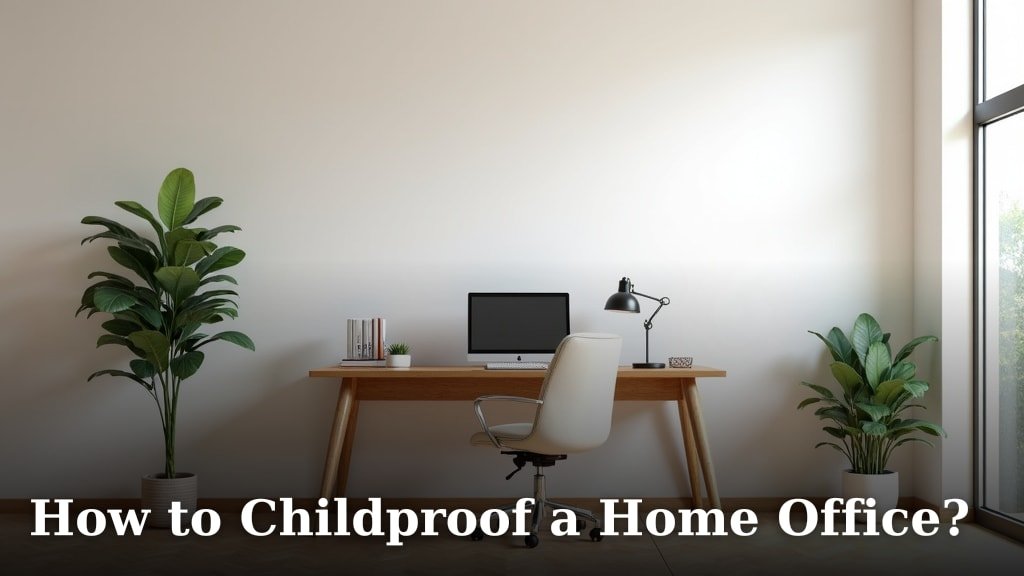
Position your desk about 18-24 inches from the wall. This gives you breathing room without feeling cramped.
Add a small mirror on the wall so you can see behind you when needed. It’s like having eyes in the back of your head.
Lighting for Wall-Facing Desks
You’ll need a good desk lamp plus overhead lighting. The wall can create shadows, so layer your light sources.
Room-Facing Setup Success
Place your desk so you can see the main entrance but aren’t directly facing high-traffic areas. You want awareness, not constant distraction.
Keep the area behind your desk clean and organized. It’s your backdrop for video calls and affects how the whole space feels.
Managing Distractions When Facing the Room
Use strategic placement of furniture or plants to create subtle visual barriers. You’re not blocking the view, just organizing it.
Room Layout Considerations
Your room shape and size might make the decision for you.
Small Room Solutions
In tiny spaces, facing the wall often works better. It makes the room feel larger because you’re not constantly aware of the cramped space.
Large Room Strategies
Big rooms can handle either setup. You have the luxury of choice, so go with your work style preference.
Window Placement Factor
Windows change everything. Read about the window desk pros and cons before choosing your desk position. Natural light is great, but glare and outdoor movement can be distracting.
| Setup Type | Best For | Potential Issues |
|---|---|---|
| Wall-Facing | Deep focus work, writing, detailed tasks | Can feel isolating, limited spatial awareness |
| Room-Facing | Collaborative work, video calls, creative tasks | More distractions, harder to concentrate |
Making the Right Choice for Your Work Style
Think about your typical workday. Do you spend hours in deep concentration, or do you hop between tasks and calls?
For Deep Work People
If you’re a programmer, writer, or researcher, wall-facing probably suits you better. You need that distraction-free zone.
Signs You’re a Deep Work Person
You get frustrated by interruptions. You do your best work in long, unbroken chunks. You prefer fewer meetings and more solo time.
For Collaborative Workers
If you manage people, take lots of calls, or need to stay aware of your household, room-facing might be your answer.
Signs You’re a Collaborative Worker
You energize from interactions. You multitask well. You like being available when people need you.
Hybrid Solutions That Work
Who says you have to pick just one? Smart people create flexible setups.
The Swivel Solution
Get a chair that spins easily. Face the wall for focus work, then turn around for calls or breaks.
The Two-Zone Office
If you have space, create both a wall-facing focus zone and a room-facing collaboration area.
Mobile Desk Options
Rolling desks or laptop stands let you change your setup based on your daily needs. It’s like having multiple offices in one room.
Testing Your Choice
Don’t commit to expensive furniture right away. Test both positions for a week each.
Pay attention to your energy levels, productivity, and mood. Your body will tell you what works.
What to Track During Your Test
Notice when you feel most focused. Track how often you get distracted. Pay attention to your stress levels at the end of each day.
Common Mistakes to Avoid
Don’t copy someone else’s setup just because it looks good online. Your brain is unique.
Also don’t ignore lighting, ergonomics, and storage just because you’re focused on desk direction.
Conclusion
The best desk position is the one that matches how your brain works and what your job demands. Wall-facing desks create focus cocoons perfect for deep work, while room-facing setups offer awareness and connection that collaborative workers need.
Try both positions for a week each and pay attention to your productivity and mood. Your body will tell you which setup helps you do your best work. Remember, you can always adjust your choice as your work style or life situation changes.
Can I switch between wall-facing and room-facing setups?
Yes, many people use swivel chairs or mobile desks to change positions based on their daily tasks. Face the wall for deep work and turn toward the room for calls or collaborative tasks.
What if my room layout doesn’t allow either option?
Corner desks can give you elements of both setups. You get some wall support for focus while maintaining partial room visibility. Use plants or screens to create visual boundaries if needed.
How far should my desk be from the wall?
Keep 18-24 inches between your desk and wall for wall-facing setups. This prevents feeling cramped while maintaining the focus benefits. Make sure you can pull your chair out comfortably.
Does desk direction affect video call quality?
Room-facing desks often provide better video call backgrounds and lighting options. Wall-facing setups may create shadows or show blank walls behind you, but good lighting and simple wall decorations can fix this.
Should I consider my family situation when choosing desk direction?
Absolutely. If you have young children or pets, room-facing desks help you stay aware of what’s happening. If you need quiet focus time and have good boundaries in place, wall-facing works better.