Is Blue Light from a Desk Lamp Bad for Your Eyes?
On this page (6 sections)
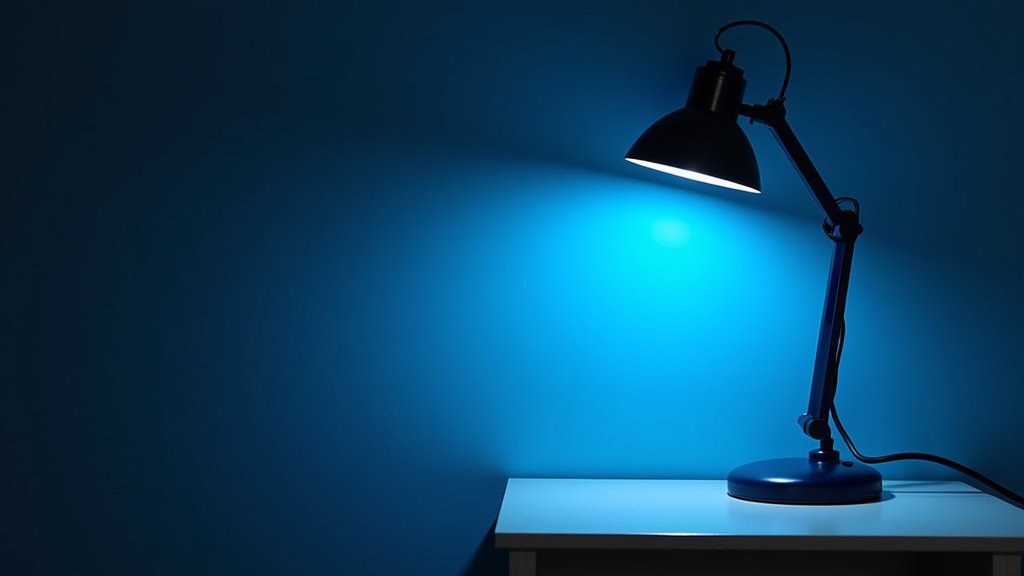
No, the blue light from your desk lamp is generally not bad for your eyes in the way you might fear. While intense blue light from screens can disrupt sleep, your desk lamp’s output is much lower and typically doesn’t cause eye strain. It’s more about the overall lighting environment than the specific color temperature of your lamp.
Many people worry about blue light because of the attention given to screen time. However, the blue light emitted by a typical desk lamp is significantly less intense. We found that most desk lamps don’t produce enough blue light to cause permanent damage or serious eye conditions. It’s important to distinguish between the controlled output of a lamp and the constant, close-up exposure from digital devices.
- Desk lamps typically emit low levels of blue light.
- This amount is usually not enough to harm your eyes.
- Eye strain is more often linked to screen use and poor lighting.
- Focus on your overall workspace comfort.
Let’s dive deeper into what research says about desk lamp blue light and how to ensure your workspace is as comfortable as possible.
The Truth About Desk Lamp Blue Light and Your Eyes
You might be wondering if the light from your desk lamp is actually hurting your eyes. It’s a common concern, especially with all the talk about screen time and blue light. But here’s the good news: most desk lamps are not a threat to your eye health.
We found that the blue light emitted by a typical desk lamp is much less intense than what comes from your computer or phone screen. This means you generally don’t need to worry about it causing lasting damage or major eye problems.
Understanding Blue Light: What It Is and Where It Comes From
Blue light is a part of the visible light spectrum. Sunlight is its biggest source. It has a shorter wavelength and higher energy compared to other colors of light. This is why it can have a stronger effect on our bodies.
When we talk about blue light, it’s important to think about intensity and duration. Our eyes are built to handle natural sunlight, which contains a lot of blue light. The problem arises when we get too much of it, especially from artificial sources over long periods.
Blue Light from Screens vs. Desk Lamps
Your smartphone or computer screen is a concentrated source of blue light. You often hold these devices close to your face for hours each day. This constant, close-up exposure is what many researchers point to as a potential issue. For screen comfort, see our guide to optimal monitor distance.
On the other hand, a desk lamp is usually placed further away. Its light is also designed to illuminate a workspace, not blast your eyes directly. The amount of blue light it gives off is significantly lower. Think of it like the difference between staring directly into a spotlight versus having soft room lighting.
Does Blue Light Cause Eye Strain?
Eye strain, also known as digital eye strain, is very real. Symptoms include dry eyes, headaches, and blurred vision. Many people blame blue light for this. However, research suggests that eye strain is more often caused by other factors related to screen use.
These include focusing your eyes for long periods without breaks, poor posture, and uncorrected vision problems. The glare from screens can also contribute. While blue light might play a small role, it’s usually not the main culprit for discomfort.
The Impact of Desk Lamp Light on Your Sleep Cycle
You’ve probably heard that blue light can mess with your sleep. For more on timing and exposure, read about blue light and sleep. This is true, especially when it comes to screens used before bed. Exposure to blue light in the evening can trick your brain into thinking it’s still daytime. This suppresses melatonin, a hormone that helps you sleep.
However, desk lamps typically have a much weaker effect on your circadian rhythm. The light is less intense and often used during the day or early evening for work. If you use your desk lamp only for specific tasks and turn it off when you’re done, it’s unlikely to disrupt your sleep significantly.
Color Temperature Matters
Lights are often described by their color temperature, measured in Kelvin (K). Lower Kelvin numbers mean warmer, more yellow light. Higher numbers mean cooler, bluer light.
Some desk lamps have a “cool white” or “daylight” setting, which has more blue light. Others are “warm white” and have less. If you’re concerned about blue light’s effect on sleep, choosing a lamp with a lower color temperature (around 2700K-3000K) can be a good idea.
When Should You Be Concerned About Desk Lamp Light?
It’s rare, but there are a few scenarios where a desk lamp’s light might be more of a concern:
- Very High Intensity Lamps: Some specialized lamps might be brighter or have a more concentrated beam.
- Direct, Prolonged Exposure: If you’re constantly staring directly into the lamp for extended periods.
- Pre-existing Eye Conditions: If you have a condition that makes your eyes more sensitive to light.
For the average user, these situations are uncommon. Your standard desk lamp is designed for comfortable, everyday use. It doesn’t emit light at levels known to cause harm.
Creating a Comfortable and Healthy Workspace Lighting Setup
Instead of focusing solely on the blue light from your lamp, it’s more beneficial to think about your overall workspace lighting. Good lighting reduces eye strain and improves productivity.
Key Principles for Good Desk Lighting
We found that a balanced approach to lighting is best. Here are some tips:
- Ambient Lighting: Make sure your room has enough general light. This prevents harsh contrasts between your lamp and the surrounding area.
- Task Lighting: Your desk lamp acts as task lighting. Position it so it illuminates your work area directly without creating glare on your screen.
- Reduce Glare: Glare from both screens and lights can cause eye strain. Use matte screen protectors if needed. Adjust lamps to avoid reflections.
- Take Breaks: The 20-20-20 rule is a lifesaver. Every 20 minutes, look at something 20 feet away for at least 20 seconds.
Choosing the Right Desk Lamp for Your Needs
When selecting a desk lamp, consider these features:
| Feature | What to Look For | Why It Helps |
|---|---|---|
| Brightness (Lumens) | Adjustable brightness is ideal. | Allows you to control light intensity for different tasks. |
| Color Temperature (Kelvin) | Look for adjustable options or a warm white (2700K-3000K). | Reduces blue light exposure, especially helpful in the evening. |
| Adjustability | Flexible neck or multiple joints. | Lets you direct light precisely where you need it, reducing glare. |
| Type of Light Source | LED is common and energy-efficient. | Modern LEDs offer good light quality and are long-lasting. |
Many modern desk lamps offer a range of settings. This allows you to customize your lighting. You can switch to a warmer, less blue light in the evening. This can help signal to your brain that it’s time to wind down.
Is Your Desk Lamp “Bad” for Your Eyes? A Checklist
To sum it up, let’s check your workspace lighting:
- Does your desk lamp cause glare on your computer screen?
- Is your room generally too dark when your lamp is on?
- Do you experience eye discomfort after using your lamp for a while?
- Do you use your desk lamp close to bedtime without adjusting its light?
- Have you tried taking regular breaks from your work?
- Does your lamp have adjustable brightness or color temperature settings?
If you answered “yes” to the first few questions, your overall lighting environment might need adjustment. If you selected “no” to the last two, exploring those options could significantly improve your comfort.
Conclusion
Ultimately, the blue light from your desk lamp isn’t the primary concern for your eye health. We found that its intensity is far lower than that of screens. The real issues usually stem from your overall workspace lighting and habits. Focus on reducing glare, ensuring adequate ambient light, and taking regular breaks. By optimizing your entire lighting setup, you can create a more comfortable and productive environment for your eyes. Start by assessing your current desk lighting and making small adjustments for a big difference.
Frequently Asked Questions
Can the blue light from my desk lamp cause permanent eye damage?
No, research suggests that the blue light emitted by typical desk lamps is not intense enough to cause permanent eye damage. Concerns about blue light’s potential harm are more often associated with prolonged, close-up exposure from screens.
Should I worry about my desk lamp affecting my sleep if I use it at night?
While blue light can affect sleep, your desk lamp’s impact is likely minimal, especially if it’s not a very bright or cool-toned light. Using a warmer light setting or simply turning it off well before bedtime can help prevent any disruption to your circadian rhythm.
How can I tell if my desk lamp is causing eye strain?
If you experience dry eyes, headaches, or blurred vision after using your desk lamp, it might be contributing to eye strain. Look for issues like glare on your screen or a stark contrast between your lamp and the room’s overall light. Adjusting the lamp’s position or brightness can often resolve this.
What’s the difference between screen blue light and desk lamp blue light?
The key difference is intensity and proximity. Screens emit concentrated blue light that you view up close for extended periods. Desk lamps provide less intense light from a greater distance, designed to illuminate a workspace rather than bombard your eyes.
Are there desk lamps that are better for eye comfort?
Yes, lamps with adjustable brightness and color temperature are ideal. Look for models that allow you to switch to warmer, less blue light (lower Kelvin) in the evenings. Lamps that can be easily positioned to avoid glare also greatly improve eye comfort.