What Furniture Do Freelancers Need for a Home Office?
On this page (7 sections)
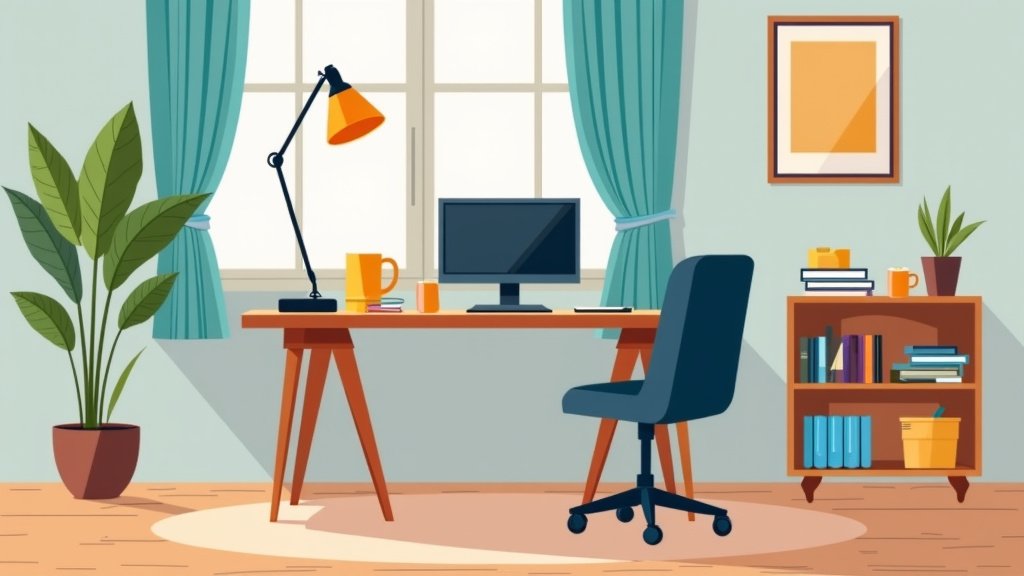
Freelancers need a functional desk, a comfortable chair, and adequate storage solutions for a productive home office. These core pieces support good posture and keep your workspace organized. Having the right furniture can dramatically improve your workflow and focus.
Beyond the essentials, consider how your space will help you stay motivated and avoid distractions. Lighting and personal touches also play a role. We’ve found that a well-designed office setup can actually boost your work-life balance.
- Desk: A sturdy surface for your computer and tasks.
- Chair: Ergonomic support for long work sessions.
- Storage: Shelves, drawers, or cabinets to keep things tidy.
- Lighting: Good ambient and task lighting prevents eye strain.
- Personal touches: Decor that makes your space feel inspiring.
Let’s walk through the must-have furniture items to create your ideal home office.
Essential Furniture for Your Freelance Home Office
Creating a dedicated home office is a big step for any freelancer. It’s more than just a desk and chair. Your furniture choices directly impact your productivity and well-being. We’ve researched what makes a home office truly work. Let’s look at the furniture that will help you succeed.
The Foundation: Your Desk Setup
Your desk is the command center of your home office. It needs to be both functional and comfortable. Think about how you work and what you need right at your fingertips. A good desk can transform your workspace from cluttered chaos to organized calm.
Choosing the Right Desk Type
There are several desk styles to consider. Each offers different benefits. Your choice depends on your available space and your work habits. Do you spread out with multiple monitors, or do you prefer a minimalist setup? Many freelancers find that understanding their own workflow is key to picking the perfect desk.
Standard Desks
These are the most common types. They offer a flat, open surface. You can find them in many sizes and materials. Consider a desk with built-in drawers for easy access to essentials. A sturdy material like solid wood or metal is best for durability. You can also review office furniture quality standards when comparing desks. You want a desk that feels solid, not wobbly, when you type or write.
Standing Desks
Standing desks, or sit-stand desks, are increasingly popular. They allow you to switch between sitting and standing throughout the day. This can help reduce sedentary behavior. Research from the Mayo Clinic suggests that prolonged sitting is linked to various health issues. A standing desk can combat this. Look for electric adjustable models for easy height changes. This flexibility can boost your energy levels.
Corner Desks
If you have a corner space to fill, a corner desk is a great option. They make efficient use of space. Many corner desks offer a generous work surface. Some are L-shaped, giving you distinct zones for different tasks. This can be helpful for managing projects effectively.
Desk Size and Depth Matters
Don’t underestimate the importance of size. A desk that’s too small will feel cramped. You’ll struggle to fit your computer, notes, and other items. A desk that’s too large might overwhelm your room. Measure your space carefully before you buy. A depth of at least 24 inches is generally recommended. This allows enough room for your monitor and keyboard without feeling too close to your screen.
Your Throne: The Ergonomic Chair
Your chair is arguably the most critical piece of furniture. You’ll spend hours sitting here. An uncomfortable chair can lead to back pain, neck strain, and general fatigue. Investing in a good ergonomic chair is investing in your health and your ability to focus. Investing in a good ergonomic chair is investing in your health and your ability to focus.
What Makes a Chair Ergonomic?
Ergonomic chairs are designed to support your body’s natural posture. They often feature adjustable parts. This allows you to customize the fit to your body. Many experts recommend looking for chairs with good lumbar support. This supports the natural curve of your lower back.
Adjustable Features to Look For
The best ergonomic chairs have multiple adjustment points. These include:
- Seat Height: Your feet should rest flat on the floor. Your knees should be at a 90-degree angle.
- Armrests: These should be adjustable in height and width. Your shoulders should be relaxed, not hunched.
- Backrest Angle and Tilt: You should be able to recline slightly for comfort.
- Lumbar Support: This can be adjustable in height and depth.
Material and Comfort
Chair materials vary. Mesh chairs offer good breathability, which is great for warmer climates or longer work sessions. Upholstered chairs can be more comfortable for some people. Try to sit in a chair before you buy it if possible. Even a few minutes can tell you a lot about its comfort and support.
Taming the Chaos: Storage Solutions
A cluttered workspace can lead to a cluttered mind. Effective storage is essential for keeping your office organized. This means having a place for everything. When your supplies are tidy, you can find what you need quickly. This saves time and reduces frustration. There’s a storage solution for every need and every space, and our guide to the best wall-mounted shelves can help you find effective storage solutions.
Types of Storage Furniture
There’s a storage solution for every need and every space. Consider what types of items you need to store. Are they files, books, office supplies, or a mix of everything?
Filing Cabinets
If you deal with a lot of paper documents, a filing cabinet is a must. They keep your important papers organized and accessible. You can choose between vertical or lateral filing cabinets. Vertical ones save floor space, while lateral ones offer wider drawers for easier access.
Bookshelves and Wall Shelves
Bookshelves are perfect for storing books, binders, and decorative items. Wall shelves can free up floor space and keep frequently used items within easy reach. Floating shelves offer a modern look. You can also use shelf dividers to keep items neat.
Drawer Units and Desk Organizers
Small, portable drawer units can slide under your desk. They are great for storing pens, notepads, and other small office supplies. Desk organizers are specifically designed to sit on your desk surface. They keep your most-used items tidy and accessible.
Go Vertical for Space Efficiency
When space is limited, think vertically. Tall, narrow bookshelves or wall-mounted shelves make the most of your available wall space. This keeps your floor clear and your office feeling more open. Many modern storage solutions are designed with this in mind.
Don’t Forget Lighting and Accessories
While not strictly furniture, lighting and accessories play a huge role in your home office functionality. Good lighting is essential for preventing eye strain and maintaining focus. Use this home office lumens guide to plan room lighting.
The Power of Good Lighting
Natural light is best. Position your desk near a window if possible. However, you’ll likely need artificial light too.
- Ambient Lighting: This is the general light in your room. Overhead lights or floor lamps can provide this.
- Task Lighting: This is focused light for your work area. A desk lamp is perfect for this. It helps reduce glare on your screen.
Accessorizing for Productivity
Consider items that enhance your workflow. A monitor stand can raise your screen to eye level, improving posture. A comfortable keyboard and mouse can reduce strain. Even simple things like a bulletin board or whiteboard can help you visualize tasks.
Here’s a quick checklist to help you plan your ideal home office furniture:
- Measure your space carefully.
- Prioritize an ergonomic chair.
- Choose a desk that fits your work style.
- Plan for sufficient storage.
- Ensure good lighting.
- Add personal touches that inspire you.
Conclusion
Setting up your freelance home office is about creating a space that works for you. You’ve learned that the right desk, an ergonomic chair, and smart storage are the cornerstones of productivity. Don’t forget how good lighting and personal touches can boost your mood and focus. Investing in your workspace is investing in your career and well-being. Now, take these ideas and start building your ideal home office. Your future self will thank you for it.
Frequently Asked Questions
How much space do I really need for a home office?
You don’t need a dedicated room. Even a corner of your living room can work. Measure the area you have available carefully. Then, choose furniture that fits your space without feeling cramped.
Can I use regular furniture, or do I need special “office” pieces?
While dedicated office furniture is often designed for ergonomics and durability, you can adapt. For a client-facing workspace, see therapist office furniture ideas. A sturdy dining table can serve as a desk. A supportive dining chair might work for short periods. However, for long work hours, an ergonomic chair is a worthwhile investment.
What’s the best way to organize office supplies without clutter?
Think vertically with shelves and wall organizers to save desk space. Use drawer dividers and small containers to keep items sorted within larger storage. Keep only frequently used items on your desk surface.
Is a standing desk really worth the extra cost?
A standing desk can improve your energy levels and reduce the health risks associated with prolonged sitting. If you find yourself feeling sluggish or experiencing back discomfort from sitting all day, it could be a great investment for your health and focus.
How important are personal touches for a freelance office setup?
Personal touches are very important for making your office a place you want to be. Adding plants, inspiring artwork, or photos can boost your mood and creativity. A space that feels personal and welcoming can help you stay motivated.