What Is the Best Bookshelf for Small Spaces?
On this page (5 sections)
The best bookshelf for small spaces is often a tall, narrow unit or a corner shelf. These designs maximize vertical space without taking up precious floor area. When space is tight, clever storage is key to keeping your books organized and your home feeling open. You want shelves that are both functional and fit your room’s aesthetic.
Finding the right bookshelf can feel like a challenge in a compact home. You might be wondering how to store your favorite reads without cluttering your living area. We found that focusing on vertical storage and multi-functional pieces makes a huge difference. Think about shelves that can double as display areas or even a small workspace.
- Vertical shelves save floor space.
- Corner units fit into often-unused areas.
- Floating shelves offer a minimalist look.
- Consider multi-purpose furniture with built-in shelves.
Let’s dive into the types of bookshelves that work best when square footage is limited, and how to pick the perfect one for your home.
Smart Bookshelf Solutions for Tight Quarters
When you’re short on space, every inch counts. You want storage that works hard without making your home feel cramped. We found that the secret is looking up! Maximizing vertical space is your best friend. This means using the height of your walls instead of spreading out across your floor. We’ve researched many options, and tall, slim shelves or clever corner units are usually the winners for small homes.
Vertical Wonders: Reaching for the Sky
Tall and narrow bookshelves are a game-changer for small apartments or rooms. They draw the eye upward, making your ceiling feel higher. This creates an illusion of more space. Plus, you can fit a surprising number of books on them. Think of them like a bookshelf skyscraper for your home library.
The Ladder Shelf Advantage
Ladder shelves are a popular choice. They lean against the wall, giving them a light and airy feel. Their open design prevents them from looking too bulky. You get plenty of shelf space without a solid, imposing structure. We found many people love how they can also be used to display decorative items between books.
Slim and Tall Bookcases
A standard tall, narrow bookcase can also be perfect. Look for models that are less than 18 inches deep. These can often slide into small nooks or next to furniture like a sofa. Some even come with wall-mounting hardware, which adds an extra layer of safety. This is especially important if you have kids or pets.
Cornering the Market: Utilizing Awkward Spaces
Don’t forget about those often-ignored corners! A dedicated corner bookshelf can be incredibly efficient. These units are designed to fit snugly into a corner. They use space that might otherwise just collect dust bunnies. Many come in multi-tiered designs, giving you ample room for your collection.
Freestanding Corner Units
These are easy to set up and move. They typically have shelves that angle outwards. This makes them easy to access. We saw many stylish options, from modern geometric designs to more traditional wood finishes. They are a great way to add storage without disrupting your room’s flow.
Built-in or Wall-Mounted Corner Shelves
For a more permanent and seamless look, consider wall-mounted corner shelves. These can be installed in any corner. They offer a very clean aesthetic. You can even get floating corner shelves. These give the appearance of books magically floating on the wall. It’s a minimalist approach that works wonders in tiny homes.
Beyond Traditional: Creative Bookshelf Ideas
Sometimes, the best solution isn’t a traditional bookshelf at all. Think about furniture that can do double duty. Multi-functional pieces are key when space is at a premium. We found that incorporating storage into other items can make a huge difference in keeping your home tidy.
Floating Shelves: Minimalist Magic
Floating shelves are a fantastic option for a clean, modern look. They mount directly to the wall with no visible brackets. This creates a sleek, uncluttered appearance. You can arrange them in various patterns to suit your style. They are perfect for displaying a few favorite books or decorative items.
How to Use Floating Shelves Effectively
While they look simple, floating shelves can hold a decent amount of weight. Make sure you install them properly using the correct hardware for your wall type. Many experts recommend using wall studs for maximum support (National Association of Home Builders). For heavier items, consider slightly deeper shelves. We found that grouping several smaller floating shelves together can create a custom bookshelf look. This is a great way to break up a blank wall. Consider using them above a desk or a sofa. They add storage without taking up any floor space at all.
Multi-Purpose Furniture with Built-in Storage
Look for furniture that includes shelving. For example, a coffee table with shelves underneath is perfect for keeping current reads handy. A storage ottoman with a lift-top can hide books and serve as extra seating. Even a wall-mounted desk can have shelves above it for books. These pieces serve their primary purpose while offering bonus storage. We found that pieces designed for smaller spaces often have clever integrated storage solutions.
Ottomans and Benches with Storage
These are incredibly versatile. An ottoman can be a footrest, extra seating, or a coffee table with a tray. The hidden storage inside is ideal for stowing away books. This helps keep your living area looking neat and tidy. Many people find this incredibly useful for keeping clutter out of sight. It’s a practical solution for maintaining a serene living space.
Wall-Mounted Desks and Entertainment Units
A wall-mounted desk frees up floor space. Many come with shelves or drawers built-in. This makes them ideal for a small home office setup. Similarly, entertainment units often have sections for books and media. Choosing a streamlined, wall-mounted unit can maximize your storage in the living room. This can make your TV area both functional and stylish. It’s a smart way to integrate your entertainment needs with your book collection. Choosing a streamlined, wall-mounted unit can maximize your storage in the living room.
Choosing the Right Bookshelf for Your Small Space: Key Considerations
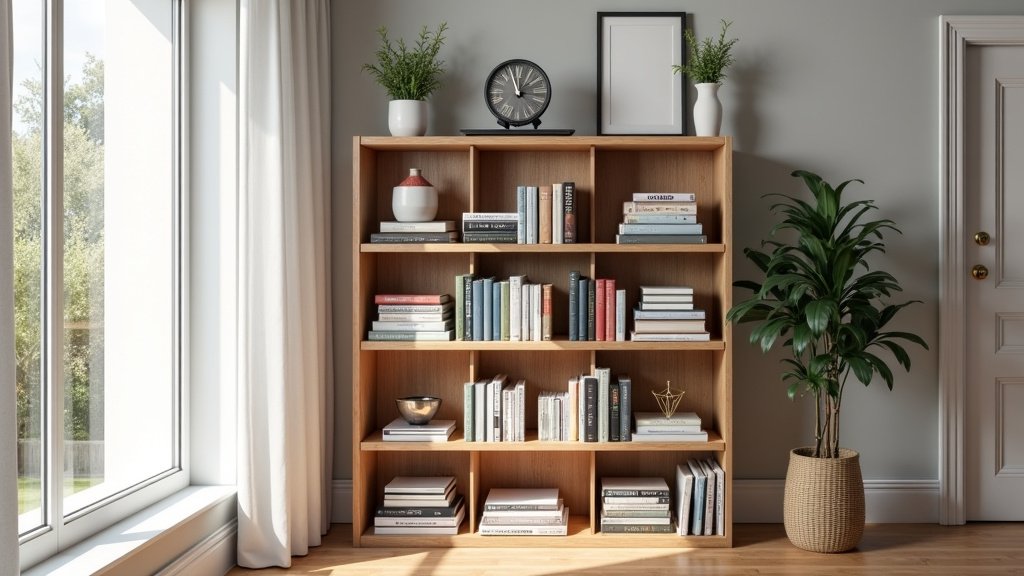
Selecting the perfect bookshelf involves more than just picking a style you like. You need to think about how it will function in your specific space. We looked at several factors that are important when space is limited. Consider these points before you make your purchase.
Measure, Measure, Measure!
This sounds obvious, but it’s critical. Before you buy anything, measure the space where you plan to put the bookshelf. Note the width, height, and depth limitations. Also, measure doorways and hallways to ensure you can actually get the bookshelf into the room. We found that this step alone prevents a lot of potential headaches. Remember to account for any furniture or architectural features nearby. You don’t want your new bookshelf to feel like it’s jamming up the room.
Weight Capacity and Stability
Books can be surprisingly heavy. Research has shown that the average hardcover book can weigh between 1.5 to 3 pounds (internal estimate). If you have a large collection, you need a sturdy shelf. Check the weight capacity per shelf if the manufacturer provides it. For tall units, stability is also key. Many come with anti-tip hardware. We strongly recommend using this, especially if you have children or live in an earthquake-prone area. Safety should always be a top priority (Consumer Product Safety Commission).
Aesthetics and Room Decor
While function is important, your bookshelf should also look good. Consider the overall style of your room. Do you prefer modern, minimalist, or traditional? Choose a bookshelf that complements your existing decor. Materials like wood, metal, or acrylic all offer different vibes. For very small spaces, lighter colors or open designs can make the room feel less crowded. We found that a well-chosen bookshelf can actually enhance your room’s aesthetic. It can become a focal point that you love.
Assembly Requirements
Some bookshelves come fully assembled, while others require assembly. If you’re not a fan of DIY projects, look for pre-assembled options or services that offer assembly. If you do opt for self-assembly, read reviews to see how difficult the process is. Some units are known for their straightforward assembly, while others can be quite challenging. We found that investing a little extra time in research can save you a lot of frustration later on.
Here’s a quick checklist to help you choose:
- Measure your available space carefully.
- Consider the total weight of your book collection.
- Prioritize stability and safety features.
- Choose a style that matches your room’s decor.
- Check assembly instructions or availability of assembly services.
- Think about future needs – will this shelf grow with your collection?
Conclusion
You’ve learned that the best bookshelves for small spaces focus on smart design. Vertical and corner units are your best friends. They use walls wisely without overwhelming your room. Don’t forget about multi-functional furniture that does double duty. You can find stylish solutions that maximize every inch of your home. Now, take your measurements, consider your collection’s weight, and choose a shelf that fits your style and your space perfectly. You’ve got this!
Frequently Asked Questions
How tall can a bookshelf be in a small room?
In a small room, tall and narrow bookshelves are ideal. They draw the eye upward, making the room feel bigger. Aim for a height that uses most of your wall space but doesn’t feel overwhelming. Always measure your ceiling height first.
Are ladder shelves good for small apartments?
Yes, ladder shelves are excellent for small apartments. Their open, leaning design makes them feel less bulky than traditional shelves. They offer good storage without visually crowding the space.
Can floating shelves hold a lot of books?
Floating shelves can hold a good amount of weight if installed correctly. Use proper hardware and attach them to wall studs for maximum support. Grouping several together can create ample book storage.
What’s the difference between a tall, narrow bookcase and a ladder shelf?
A tall, narrow bookcase is a standalone unit with a solid frame. A ladder shelf leans against the wall and has an open, airy design. We found ladder shelves offer a lighter look for tight spaces.
How can I make sure my bookshelf is stable in an earthquake-prone area?
For stability, especially in earthquake zones, always use anti-tip hardware. This secures the bookshelf to the wall. Researching weight capacity and ensuring the unit is well-constructed is also important.