What Is the Best Desk for a Two-person Home Office?
On this page (8 sections)
The best desk for a two-person home office is a spacious shared desk or a pair of matching desks. This setup provides ample personal workspace while maintaining a cohesive look. Finding the right desk depends on your available space and work style. Finding the right desk depends on your available space and work style, and our guide to two-person office desk layouts can help.
You want a desk that offers enough room to spread out without feeling cramped. Consider the overall layout of your home office. A well-chosen desk can significantly boost productivity and reduce friction between occupants.
- Shared Desks: Great for connection, need a lot of space.
- Separate Matching Desks: Offers more personal space.
- Desk Size: Aim for at least 24 inches deep per person.
- Storage: Look for built-in drawers or shelves.
Let’s walk through the top considerations for finding that perfect two-person office desk.
Choosing the Right Desk Setup for Your Duo Home Office
Finding the perfect desk setup for two people can feel like a big challenge. You want to create a productive space that works for both of you. It needs to be functional, comfortable, and fit your home. We’ve found that the best approach usually involves either a large shared desk or two matching individual desks. Let’s break down what to consider.
Shared Desk Options: Pros and Cons
A shared desk is often the first thing people think of for a two-person office. For a complete room plan, see our guide to setting up a home office for two. It can create a sense of unity. You’re literally working side-by-side. This can be great for collaboration and quick chats.
The Advantages of Going Shared
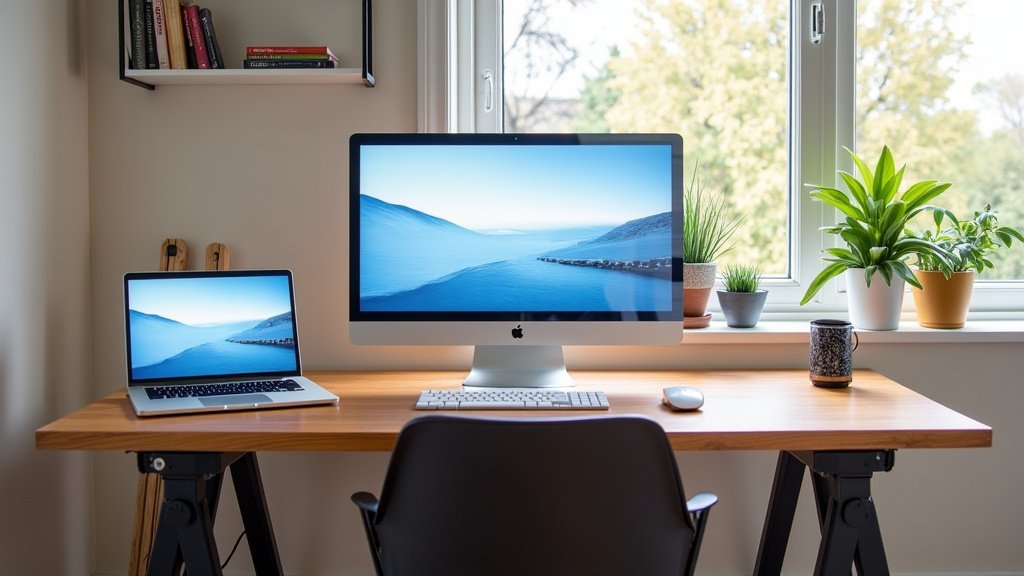
When you share a desk, you can often get a larger surface area for less money than buying two separate desks. This means more room to spread out your monitors, papers, and other work essentials. Plus, it can make your office space look very clean and organized if you choose a style that flows well.
We found that shared desks can also be easier to manage from a cable organization standpoint. You might have one central point for power strips and cords. This can lead to a tidier look overall. It truly feels like a united workspace.
Potential Downsides of a Shared Desk
However, sharing a desk isn’t always perfect. If one person is a bit messy or tends to move things around, it can easily disrupt the other person’s workflow. There’s less personal territory. This can sometimes lead to minor frustrations.
You also need to ensure the desk is truly wide enough for two people to work comfortably. If it’s too narrow, you’ll feel cramped. This defeats the purpose of having a productive home office. We’ve seen setups where people are constantly bumping elbows.
Individual Desk Configurations
The alternative to a shared desk is setting up two separate desks. This offers a different set of benefits. It provides clear boundaries and personal space. This can be a game-changer for couples or housemates who work together.
The Appeal of Separate, Matching Desks
When you opt for two individual desks, the key is to match them. This maintains a cohesive aesthetic for your office. It looks intentional and professional, even if it’s in your living room. You get the best of both worlds: distinct workspaces within a unified design.
This setup gives each person their own dedicated zone. You can arrange your equipment, supplies, and personal items exactly how you like them. There’s no need to worry about someone else touching your stapler or moving your favorite pen holder. This sense of ownership is very important for focus.
Arranging Two Desks Effectively
How you position two desks matters. You can place them back-to-back for a shared wall space. Another popular option is to set them up end-to-end along a longer wall. Or, if space allows, you might place them facing opposite directions, creating two distinct work zones.
We found that placing desks facing each other can sometimes lead to distractions. It’s easy to get drawn into what your partner or roommate is doing. Depending on your personalities and work styles, this can either be a benefit or a major drawback. Consider what works best for your focus.
Key Features to Look For in Any Two-Person Desk Setup
No matter which route you choose – shared or separate – certain features are non-negotiable. These elements ensure your desk setup is functional and supports your work. Let’s dive into what makes a desk truly great for two.
Depth: The Foundation of Your Workspace
Desk depth is critical for comfort and productivity. Experts often recommend a minimum depth of 24 inches per person (Mayo Clinic). This allows you to position your monitor at an ergonomic distance. It also gives you space for your keyboard, mouse, and notebook without feeling crowded.
If you use multiple monitors or have a lot of equipment, aim for even more depth. A 30-inch depth can make a world of difference. You won’t feel like your workspace is constantly overflowing. We think of depth as your personal workflow real estate.
Width: How Much Horizontal Space You Need
Width requirements depend heavily on your work. For a shared desk, you’ll want enough width so that each person has a clear section. We found that 60 inches is often a good minimum for a shared desk designed for two. This gives each person about 30 inches of width, which is quite comfortable.
If you’re using two separate desks, each one should ideally be at least 40-48 inches wide. This provides a solid personal workspace. The combined width will then be 80-96 inches, offering plenty of room when placed side-by-side.
Storage Solutions for a Tidy Office
Clutter is the enemy of productivity. Look for desks with built-in storage. This could include drawers, shelves, or cubbies. These are essential for keeping your workspace organized and free of distractions.
Consider how much storage you and your partner actually need. Do you deal with a lot of paperwork? Or are you mostly digital? Matching desks might require separate storage solutions like filing cabinets or bookcases. A shared desk with integrated storage can be a neat all-in-one solution.
Material and Durability: Investing in Quality
Your desk is an investment. Choose materials that are both durable and attractive. Solid wood desks are beautiful and long-lasting. Laminate or MDF desks can be more budget-friendly and are still perfectly functional.
Check reviews for information on how well the desk holds up to daily use. Are the surfaces scratch-resistant? Do the drawers glide smoothly? We found that a desk that feels sturdy and well-built makes your work experience much more pleasant.
Cable Management to Keep Things Tidy
This is often overlooked but incredibly important. Look for desks with built-in cable management systems. This might include grommets (holes with covers), trays, or channels underneath the desk. Keeping cords organized prevents tangles and makes your workspace look much cleaner.
Good cable management helps with airflow for electronics too. It’s a small detail that can have a big impact on your overall office environment. We think of it as the unsung hero of a functional desk.
Considering Your Space and Lifestyle
Ultimately, the best desk for your two-person home office depends on your specific situation. Think about the room you have available. Measure carefully before you buy anything. Also, consider your daily routines and how you both prefer to work.
Measuring Your Space: The First Step
Before you fall in love with a desk, measure your available space. Don’t just measure the width; consider the depth and height too. Think about where doors open and where you’ll place chairs. Leave enough room to walk around comfortably.
We recommend drawing a quick sketch of your office layout. Mark where the desk(s) will go. This visual aid helps you see potential issues before they become problems. It’s like a dress rehearsal for your office furniture.
Work Styles: Collaboration vs. Independence
Are you and your partner collaborators who thrive on constant interaction? Or do you need distinct zones to focus without interruption? Your work styles should heavily influence your choice.
If you collaborate frequently, a shared desk might be ideal. If you need deep focus time, separate desks might be a better fit. Many people find a balance with separate desks placed strategically to allow for quick conversations but maintain personal space.
Budget: Finding the Right Fit for Your Wallet
Home office desks come in a wide range of prices. Determine your budget upfront. You can find great options at various price points. However, remember that a desk is an investment in your productivity.
We found that it’s often worth spending a bit more on a desk that offers better durability and ergonomics. Look for sales and deals, especially during holiday seasons. Online retailers often have competitive pricing.
Quick Checklist for Your Two-Person Desk Hunt
Ready to find the perfect desk? Keep this handy checklist to guide you:
- Sufficient Depth: Ensure at least 24 inches per person.
- Adequate Width: Aim for 30 inches per person on shared desks or 40+ inches on individual desks.
- Smart Storage: Look for drawers, shelves, or space for organizers.
- Durable Materials: Choose a desk that can withstand daily use.
- Cable Management: Essential for a clean and organized workspace.
- Measure Your Space: Confirm it fits your room perfectly.
Conclusion
Choosing the right desk for your two-person home office boils down to balancing shared needs with individual preferences. Whether you lean towards a spacious shared desk for easy collaboration or two matching individual desks for clear boundaries, the key is ample depth, adequate width, and smart storage. You want a setup that feels comfortable and productive for both of you. Measure your space carefully, consider your work styles, and stick to your budget. Your next step? Start measuring your available space and sketching out potential layouts to visualize your ideal two-person workspace.
Frequently Asked Questions
What’s the minimum desk depth recommended for two people?
We found that a minimum depth of 24 inches per person is essential. This ensures you have enough room for monitors at an ergonomic distance and space for your keyboard and mouse. If you use multiple monitors, consider going even deeper, around 30 inches.
Can I use two different desks if they match in style?
Yes, using two separate desks that match in style and finish can create a cohesive look. This offers clear personal space for each person while maintaining an organized office aesthetic. Just ensure they complement each other visually.
How do I handle cable management for a shared desk?
For shared desks, look for options with built-in cable grommets or trays. You can also use a power strip mounted under the desk. This helps keep cords tidy and prevents tangles, making the shared space look much cleaner.
What if my office space is small?
If space is limited, a compact shared desk might be best, focusing on vertical storage. Alternatively, consider two smaller individual desks placed end-to-end along a wall. Prioritize the essential depth of 24 inches, even if width is a bit more constrained.
Which desk setup is better for focus: shared or separate?
For maximum focus and minimal distractions, separate desks are generally better. This provides each person with their own territory. If you choose separate desks, position them away from each other, perhaps back-to-back or at a distance, to create distinct work zones.