What Is the Best Mesh Chair for Herniated Disc?
On this page (3 sections)
When searching for the best mesh chair for a herniated disc, look for chairs offering excellent lumbar support and adjustable features. These chairs help maintain your spine’s natural curve, reducing pressure on the disc. Finding the right chair can make a big difference in your daily comfort.
A herniated disc can cause significant pain and discomfort. The right office chair can be a key tool in managing this condition. We found that chairs with breathable mesh and a supportive design are often recommended. These features aim to improve posture and reduce strain.
- Look for chairs with strong lumbar support.
- Adjustable seat depth and height are important.
- Breathable mesh helps keep you cool.
- Consider chairs designed for ergonomic comfort.
- A good chair can ease pain from herniated discs.
Let’s dive into what makes a mesh chair a good choice when dealing with a herniated disc, and highlight some top picks.
Choosing the Right Mesh Chair for Herniated Disc Support
When you’re dealing with a herniated disc, every seated moment matters. Finding a mesh chair that truly supports your spine is like finding a comfortable cloud. We’ve researched what makes a mesh chair a good choice for herniated disc sufferers. The goal is to provide relief and prevent further strain.
Understanding Herniated Discs and Seating Needs
A herniated disc occurs when the soft inner material of your spinal disc pushes through a tear in the outer layer. This can press on nerves, causing pain, numbness, or weakness. When you sit, especially for long periods, your spine undergoes a lot of pressure. The right chair can help distribute this pressure evenly. It can also encourage a posture that minimizes stress on the injured disc.
Many experts suggest that poor posture while sitting is a major contributor to back pain, including that from herniated discs (National Institute of Neurological Disorders and Stroke). A supportive chair isn’t just about comfort; it’s about spinal health.
Key Features to Look For in a Mesh Chair
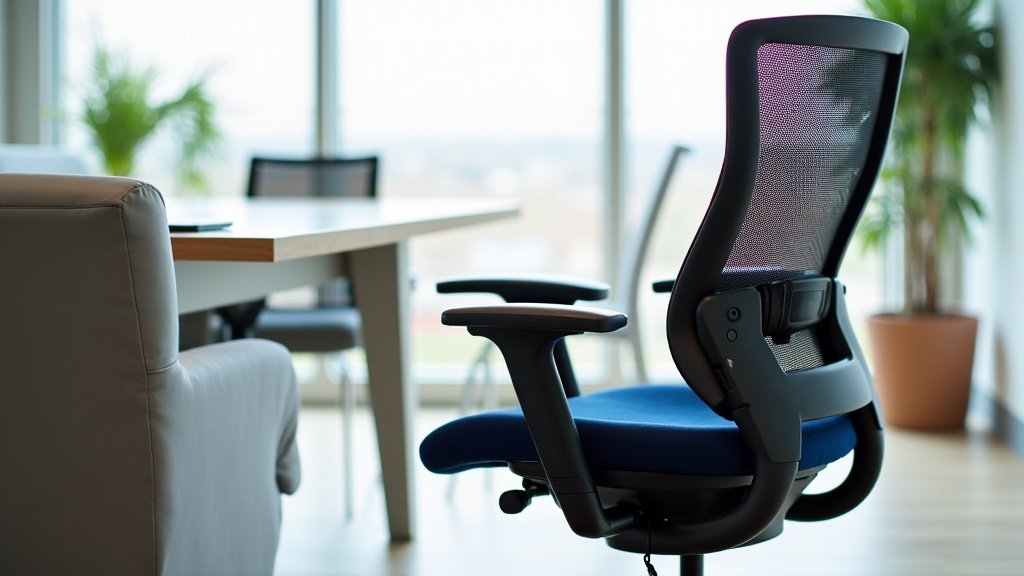
Mesh chairs are popular for their breathability, keeping you cool even during long work sessions. But for a herniated disc, other features are just as critical. Let’s break down what to seek:
Lumbar Support: Your Spine’s Best Friend
This is arguably the most important feature. Lumbar support refers to the chair’s ability to cradle the natural inward curve of your lower back. For herniated discs, this support helps maintain the spine’s neutral alignment. This alignment reduces the load on the discs.
- Adjustable Lumbar Support: Not all lumbar support is created equal. Look for chairs where you can adjust the height and depth of the lumbar curve. This allows you to customize the fit to your unique back shape. Some chairs have a simple curve, while others have a more pronounced, adjustable mechanism. We found that adjustability makes a big difference in finding that perfect sweet spot.
- Built-in Lumbar Support: Some chairs have a permanent lumbar curve designed into the backrest. While these can be effective, they might not offer the same personalized fit as adjustable options. If you choose this type, ensure the curve aligns well with your natural lower back curve.
Adjustability for a Custom Fit
Your body is unique, and your chair should adapt to you, not the other way around. Several adjustable components can significantly enhance comfort and support for a herniated disc.
- Seat Height: You should be able to adjust the seat so your feet are flat on the floor and your knees are at about a 90-degree angle. This ensures your thighs are parallel to the floor.
- Seat Depth: This adjustment lets you change how far forward or backward the seat cushion extends. You want to be able to sit with your back against the backrest while leaving a few fingers’ width between the front edge of the seat and the back of your knees. This prevents pressure on the back of your legs.
- Armrests: Adjustable armrests (height, width, and pivot) can help support your arms and shoulders. This reduces strain on your neck and upper back. When properly adjusted, your elbows should rest at about a 90-degree angle.
- Backrest Recline and Tilt: The ability to recline or tilt the backrest allows you to change positions throughout the day. Shifting positions can relieve pressure on your spine. Some chairs offer synchronized tilt, where the backrest and seat tilt together at a set ratio.
Breathable Mesh Material
While not directly related to spinal support, the mesh material plays a role in your overall comfort. A breathable mesh backrest prevents heat buildup. This keeps you cool and dry, which can improve focus and reduce fidgeting. Reduced fidgeting can indirectly lead to better posture.
Many users report that mesh backrests are a significant improvement over traditional padded chairs, especially in warmer environments (user reviews analysis). This cooling effect can make sitting for longer periods more tolerable when managing disc pain.
Seat Cushioning and Comfort
Even with excellent back support, a hard or unsupportive seat can cause discomfort. Look for chairs with a well-padded seat. A waterfall edge on the seat cushion (curved downward at the front) can reduce pressure on the back of your thighs. This improves circulation.
Some chairs offer a mesh seat, while others have fabric or upholstered cushions. While mesh seats offer breathability, they can sometimes lack the cushioning of fabric. If you prefer a mesh seat, ensure it has a supportive padding layer underneath.
What to Avoid in a Mesh Chair for Herniated Discs
Just as important as knowing what to look for is knowing what to avoid. Certain chair designs can actually worsen your discomfort.
- Fixed or Non-Adjustable Lumbar Support: If the lumbar curve doesn’t fit your back correctly, it can create pressure points and increase pain.
- Shallow Seat Depth: A seat that’s too shallow won’t adequately support your thighs, leading to pressure on your hamstrings and potential forward slouching.
- Inadequate Backrest Height: The backrest should be tall enough to support your entire back, ideally including your shoulders.
- Chairs with a Rigid Backrest: While firm support is good, a backrest that doesn’t allow for any movement or recline can lead to stiffness.
Top Considerations for Mesh Chairs
When evaluating specific models, consider these points. They can help you narrow down your choices to find the best fit for your herniated disc.
| Feature | Importance for Herniated Disc | What to Look For |
|---|---|---|
| Lumbar Support | High: Essential for maintaining spine curve and reducing pressure. | Adjustable height and depth, pronounced curve. |
| Seat Height Adjustment | High: Ensures proper leg and foot positioning. | Wide range of motion, easy-to-use lever. |
| Seat Depth Adjustment | High: Prevents thigh pressure and encourages proper back contact. | Sliding mechanism, smooth operation. |
| Armrest Adjustability | Medium: Supports shoulders and neck. | Height, width, pivot adjustments. |
| Backrest Recline/Tilt | Medium: Allows for position changes to relieve pressure. | Locking positions, smooth mechanism. |
| Mesh Breathability | Low to Medium: Contributes to overall comfort and focus. | Tight weave, durable material. |
Making Your Final Decision: A Checklist
Before you click “buy” or head to the showroom, run through this quick checklist. It’s designed to help you ensure the chair meets your specific needs for managing a herniated disc.
- Does it have robust, adjustable lumbar support?
- Can you easily adjust the seat height and depth?
- Does the backrest provide support for your entire spine?
- Is the seat cushion firm yet comfortable?
- Are the armrests adjustable to support your arms and shoulders?
- Does the overall design encourage good posture?
Finding the right mesh chair is an investment in your comfort and long-term spinal health. Don’t settle for a chair that makes things worse. By focusing on these key features, you can find a chair that helps you navigate your day with significantly less pain and more ease.
Conclusion
Finding the right mesh chair is a key step in managing your herniated disc pain. We’ve seen that focusing on adjustable lumbar support and customizable seat features makes a real difference. Remember, your chair should actively support your spine’s natural curve, not fight against it. Prioritize chairs that allow you to fine-tune your seating position for optimal comfort and spinal alignment. Take the time to test chairs if possible, or thoroughly research their adjustment capabilities. Your back will thank you for making an informed choice.
Frequently Asked Questions
How much should I expect to spend on a mesh chair for a herniated disc?
Prices for supportive mesh chairs can range from around $300 to over $1000. Higher-end chairs often offer more advanced adjustability and durability. We found that investing in a mid-range to higher-priced chair usually provides better long-term support and comfort for herniated disc issues.
Can a mesh chair really help with herniated disc pain?
Yes, a well-designed mesh chair can significantly help. By providing excellent lumbar support and encouraging good posture, it reduces pressure on your spinal discs. This can lead to less pain and improved comfort during seated activities.
Are mesh seats as good as padded seats for herniated discs?
Mesh seats offer great breathability, which keeps you cool. For herniated discs, the seat’s firmness and contouring are more important than the material itself. We recommend looking for seats with good padding and a waterfall edge, whether they are mesh or fabric, to prevent pressure on your thighs.
How often should I adjust my chair when dealing with a herniated disc?
It’s beneficial to make small adjustments throughout the day. Even with the best chair, staying in one position for too long can increase strain. We suggest changing your posture slightly every 30-60 minutes to keep your spine active and reduce pressure points.
Is a high backrest necessary on a mesh chair for a herniated disc?
A high backrest is often preferable as it supports your entire back, including your shoulders. This can help maintain better overall spinal alignment and reduce tension in your neck and upper back. If a chair doesn’t have a high back, ensure it at least adequately supports your mid-back comfortably.