Can You Stand and Sit at the Same Standing Desk?
On this page (6 sections)
Yes, you absolutely can stand and sit at the same standing desk. These desks are specifically designed for easy height adjustment, letting you switch positions throughout your workday. It’s all about finding your ideal comfort and productivity.
Most standing desks, often called sit-stand desks, offer a wide range of motion. This flexibility means you can effortlessly transition from a seated position to a standing one. It helps you stay active and focused, avoiding the stiffness of sitting all day.
TL;DR:
- Standing desks are made for both sitting and standing.
- You can adjust the height easily.
- Switching positions helps with comfort and energy.
- It supports better posture and focus.
- These desks promote a healthier workday.
Let’s dive into how these adaptable desks work and what to look for when choosing one that fits your needs.
The Versatility of Sit-Stand Desks: How They Work
Sit-stand desks are specifically engineered to support both sitting and standing positions throughout your workday. They feature mechanisms that allow for quick and smooth height adjustments. This adaptability is key to their growing popularity. You’re not stuck in one position all day.
Understanding the Core Mechanics
At their heart, these desks use different methods to change their height. The goal is always the same: to bring your workspace to you, whether you’re sitting or standing. This design helps you maintain an ergonomic posture at all times.
Electric Standing Desks
Electric standing desks are the most common type you’ll encounter. They use a motor (or sometimes two) to raise and lower the desktop. You typically control them with buttons on a small keypad attached to the desk. Press a button, and the desk moves. It’s that simple.
- Smooth Transitions: Motors provide a steady, quiet movement.
- Programmable Presets: Many models let you save your preferred sitting and standing heights. One touch and the desk goes exactly where you want it.
- Weight Capacity: They can usually lift a significant amount of weight, like multiple monitors and heavy equipment.
Manual Crank Standing Desks
Before electric motors became widely available, manual crank desks were a popular option. These desks require you to turn a handle to adjust the height. They are often more affordable than electric models.
- Cost-Effective: Generally less expensive upfront.
- No Power Needed: You can place them anywhere, even if there’s no outlet nearby.
- Slower Adjustment: Changing height takes a bit more effort and time.
Pneumatic or Gas-Assisted Standing Desks
These desks use a gas cylinder, similar to what you find in an office chair, to help with height adjustment. You usually release a lever and gently push or pull the desktop to the desired height. They offer a good middle ground between electric and manual options.
- Quick Adjustments: Faster than a manual crank, often smoother than some electric models.
- No Electricity: Like manual desks, they don’t need to be plugged in.
- Limited Weight Capacity: May not lift as much as robust electric desks.
Why Switching Positions Throughout Your Day Matters
You might be wondering, “Is all this fuss about sitting and standing really necessary?” The answer, according to much research, is a resounding yes. Our bodies are designed for movement, not for prolonged stillness. Sitting all day can lead to various health issues, and standing all day isn’t the perfect solution either.
The Pitfalls of Prolonged Sitting
Sitting for extended periods has been linked to several health concerns. Many experts say that too much sitting can be as harmful as smoking (Mayo Clinic). This isn’t to scare you, but to highlight the importance of movement. Our guide on whether sitting all day is bad for your back provides more details on these health concerns.
- Increased Risk of Chronic Diseases: Studies show a link between prolonged sitting and heart disease, diabetes, and even certain cancers (NIH).
- Poor Posture: Hunching over a keyboard can lead to back and neck pain.
- Reduced Energy Levels: Sitting can make you feel sluggish and less focused.
- Weight Gain: Your metabolism slows down when you’re sedentary.
The Benefits of Incorporating Standing
Adding standing to your routine can counteract many of these negative effects. It’s not about standing for eight straight hours, but rather about breaking up long periods of sitting. Think of it as movement snacks for your body.
- Improved Circulation: Standing helps blood flow better throughout your body.
- Increased Calorie Burn: You burn more calories standing than sitting. It might not be a lot, but it adds up over time.
- Enhanced Focus and Productivity: Many people report feeling more alert and engaged when standing.
- Reduced Back Pain: Changing positions can relieve pressure on your spine.
Finding Your Ideal Sit-Stand Balance
The sweet spot is often a mix of sitting and standing. There’s no one-size-fits-all rule, but general recommendations suggest switching every 30-60 minutes. Listen to your body – it will tell you what feels best.
You could try this pattern: 20 minutes sitting, 8 minutes standing, and 2 minutes of light movement or stretching. This approach is recommended by some ergonomic experts (Cornell University). The key is to be dynamic and responsive to your body’s signals by following a sit-stand cycle.
What to Look for in a Sit-Stand Desk
Choosing the right standing desk can feel a bit overwhelming with all the options out there. But don’t worry, we’ll break down the key features to consider. Your ideal desk should fit your space, your work habits, and your budget. Our recommendations for the best adjustable height desk for a home office can help you find the right fit.
Key Features and Specifications
When you’re shopping, pay attention to these specifics. They will make a big difference in your daily experience.
Height Range
This is crucial. The desk needs to go low enough for comfortable sitting and high enough for comfortable standing. Check the minimum and maximum height. If you’re particularly tall or short, this becomes even more important. Your elbows should be at a 90-degree angle when typing, whether sitting or standing.
Stability
A wobbly desk is a frustrating desk. When you’re standing, you’ll be leaning on it, typing, and moving things around. Look for desks with sturdy frames, often made of steel. Read reviews about stability, especially at the desk’s maximum height.
Lift Speed and Noise Level
For electric desks, consider how fast it moves and how loud the motor is. A very slow or noisy desk can be disruptive, especially in an open office or if you share a home workspace. You want smooth, quiet transitions.
Weight Capacity
How much gear do you have? Monitors, a laptop, books, heavy files – it all adds up. Make sure the desk can safely support the total weight of your equipment. Overloading a desk can damage the motor and compromise stability.
Desktop Size and Material
Consider the dimensions of the desktop. Do you have enough space for all your items? What kind of material do you prefer? Laminate, solid wood, bamboo – each has its pros and cons regarding durability and aesthetics.
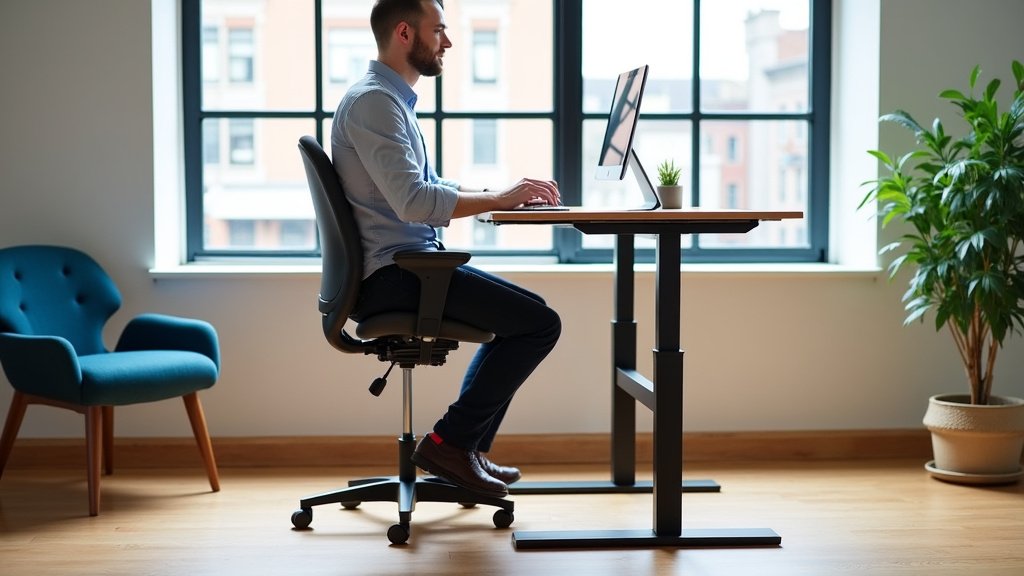
Checklist for Choosing Your Perfect Sit-Stand Desk
Ready to make a choice? Use this quick checklist to help you narrow down the options and find a desk that genuinely meets your needs.
- Does the height range accommodate both your sitting and standing preferences?
- Is the desk stable and sturdy, especially at its highest setting?
- Do you prefer an electric, manual, or pneumatic adjustment system?
- Can it comfortably hold all your equipment (weight capacity)?
- Is the desktop size and material suitable for your workspace?
- Are there any extra features like memory presets or cable management you’d appreciate?
| Feature | Electric Desk | Manual Crank Desk | Pneumatic Desk |
|---|---|---|---|
| Adjustment Speed | Fast, smooth | Slow, requires effort | Moderate, quick |
| Noise Level | Quiet to moderate | Silent | Silent |
| Power Source | Requires electricity | None required | None required |
| Weight Capacity | High | Moderate | Moderate |
| Price Range | Highest | Lowest | Mid-range |
| Memory Presets | Common | Not available | Not available |
As you can see, each type of desk offers different advantages. Your personal preferences and budget will guide you to the best choice. No matter which you pick, the ability to switch positions is a significant upgrade for your workday wellness.
Conclusion
You’ve seen that a single standing desk can easily support both sitting and standing. These versatile desks offer a powerful way to transform your workday. By choosing the right type, considering its features, and finding your ideal sit-stand balance, you’re investing in your well-being.
Moving throughout your day can reduce discomfort and boost your focus. So, embrace the flexibility of a sit-stand desk. Find one that fits your needs and start experiencing a healthier, more active work life today.
Frequently Asked Questions
Is it better to sit or stand all day at a standing desk?
Neither sitting nor standing all day is ideal. The most beneficial approach is to regularly switch between sitting and standing positions. This movement helps prevent the negative effects of prolonged stillness and keeps your body engaged.
How often should I switch between sitting and standing?
Most ergonomic experts suggest switching every 30 to 60 minutes. Listen to your body and adjust as needed. The goal is frequent movement, not strict adherence to a timer.
Can a standing desk really help with back pain?
Yes, for many people, regularly changing positions can significantly reduce back pain. It relieves pressure points and promotes better posture than constant sitting. However, it’s not a cure-all for severe back conditions.
Do I need special equipment to use a standing desk comfortably?
While not strictly necessary, an anti-fatigue mat can greatly improve comfort when standing. An ergonomic chair is also important for your sitting periods. These items support your body and enhance the overall experience.
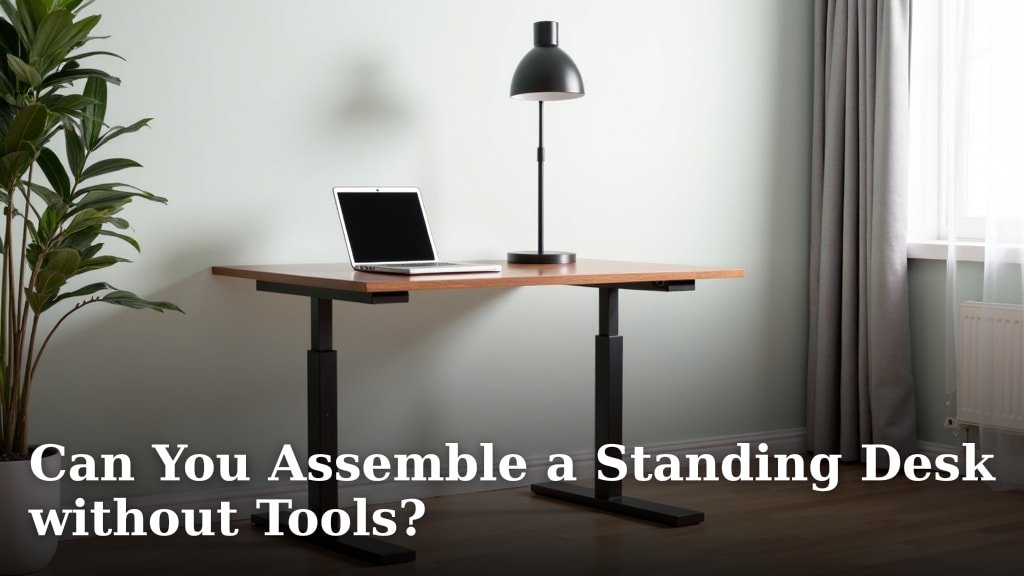
Are standing desks difficult to assemble?
Most standing desks are designed for relatively straightforward assembly. Electric desks might take a bit longer due to wiring, but clear instructions are usually provided. Many companies also offer professional assembly services if you prefer.