How to Arrange a Small Home Office?
On this page (3 sections)
The easiest way to arrange a small home office is to prioritize essential items, use vertical space creatively, and choose multi-functional furniture. This helps you maximize every inch without feeling cramped.
You can create a productive workspace even in the smallest areas. We found that smart organization transforms a tiny nook into a functional and inspiring office. It’s all about making clever choices for your belongings.
- Declutter ruthlessly.
- Measure your space carefully.
- Invest in vertical storage.
- Pick furniture that serves multiple purposes.
- Keep cords organized.
Ready to turn your compact space into a super-efficient home office? Let’s walk through exactly how to achieve this, step by step.
Optimizing Your Compact Workspace Arrangement
Arranging a small home office doesn’t have to be a puzzle. It’s about being smart with your choices. You can create a highly functional area that feels spacious and inspiring, even in a cozy corner. We’ve found that a bit of planning goes a long way here.
Mastering Your Small Space Blueprint
Before you move a single piece of furniture, take stock. What exactly do you need for your work? Is it a laptop, a monitor, a printer, or just a notebook? Prioritize your absolute essentials first. Everything else comes second.
Taking Accurate Measurements
Your space might be small, but it has boundaries. Measure everything: the wall where your desk will sit, the height to the window, and how much open floor you have. Remember to account for doors opening or chairs pulling out. We often overlook these small but critical spatial details.
- Walls you’re working with.
- Windows and electrical outlets.
- Door swing paths.
- Clearance for your office chair.
- Height for vertical storage.
Decluttering Your Way to Clarity
This is where the magic starts. Go through every item you think you need. Do you use it daily? Weekly? Or has it been gathering dust? Be ruthless in your decluttering. Less clutter means more usable space, and a clearer mind for focused work.
Consider a “one year” rule: if you haven’t used it in the past year, it probably doesn’t belong in your small office. This simple guideline helps you let go. It’s tough sometimes, but the payoff is huge.
Strategic Furniture Selection for Tiny Offices
Choosing the right furniture is like picking the perfect outfit for a special event. It needs to fit just right and serve its purpose beautifully. For small spaces, smart furniture choices are key to avoiding a cramped feel.
The Power of Multi-Functional Pieces
Why have a desk that just sits there when it can do more? Look for desks with built-in drawers or shelves. A futon or a sofa bed in a guest room can double as seating during the day and a sleeping area at night. This dual-purpose strategy saves space and money.
Many experts say that furniture that folds, rolls, or expands is your best friend in a small office (Architectural Digest). Think about a wall-mounted desk that folds up when not in use. Or a small table on wheels you can tuck away.
Ergonomics and Comfort in Confined Areas
Just because your space is small doesn’t mean your comfort should suffer. An ergonomic chair is a must for your back and posture. You might have to opt for a smaller profile chair, but make sure it still offers good support. Your health comes first.
We found that adjustable monitors and keyboard trays can also make a big difference. They allow you to position your setup optimally, reducing strain. Don’t compromise on these items; they impact your long-term well-being and productivity.
| Furniture Type | Small Space Feature | Benefit |
|---|---|---|
| Desk | Floating or Wall-Mounted | Frees up floor space, minimalist look |
| Chair | Armless, Compact Swivel | Easily tucks under desk, saves elbow room |
| Shelving | Wall-Mounted, Corner Units | Utilizes vertical space effectively |
| Storage | Mobile Cart, Drawer Unit | Can be moved or tucked away |
Maximizing Vertical and Wall Space
Think up! The walls are your greatest untapped resource in a small office. Every inch from the floor to the ceiling can be used. This is where you can be truly creative and make your space feel expansive. We often forget to look beyond eye level.
Shelving and Wall-Mounted Solutions
Open shelves can make a room feel bigger than bulky cabinets. Install them above your desk, or even around a window. We found that strategically placed shelves can hold books, supplies, or decorative items. Consider clear acrylic shelves for a nearly invisible look that doesn’t add visual weight.
Pegboards are another fantastic option. They offer a flexible way to hang items like scissors, notebooks, or even small containers. You can rearrange them easily as your needs change. This keeps yourdesk clear and your tools within reach.
Creative Storage Beyond Basic Shelves
Don’t limit yourself to traditional shelves. What about a tall, narrow bookshelf that fits into an awkward corner? Or wall pockets for magazines and files? We’ve seen clever wall-mounted filing systems that keep important documents organized without taking up drawer space. Every wall can work for you.
Over-the-door organizers can also be surprisingly useful. They’re perfect for items you don’t need daily but want to keep handy. Think about small supplies, cables, or even your daily planner. This helps maintain a clutter-free surface.
Maintaining an Organized Office Flow
Once everything is in place, the challenge is keeping it that way. We found that consistent organization habits are vital. A neat office isn’t just about appearance; it’s about making your work easier and more efficient.
Taming the Cable Monster
Cables can quickly turn a tidy space into a tangled mess. Use cable ties, sleeves, or even a designated cable management box. Group similar cables together. Mount power strips under your desk to keep cords off the floor. Clean cables mean a clean look.
We often underestimate the visual impact of messy wires. Managing them not only looks better but also reduces tripping hazards and prolongs the life of your cords. It’s a small effort with a big visual reward.
Daily Habits for Long-Term Tidiness
A few minutes at the end of each workday can keep your office pristine. Put things back where they belong. File documents immediately. Wipe down your desk. This prevents clutter from accumulating. Consistency is your secret weapon.
Many organizational experts suggest a simple “reset” routine. Clear off your desk, put away all loose items, and tidy up your chair. This tells your brain it’s time to switch off work mode, and you arrive to a fresh start the next day.
Before you wrap up, consider this checklist:
- Is my desk clear of non-essentials?
- Are all my cables bundled and out of sight?
- Is vertical storage being fully utilized?
- Does my chair provide good ergonomic support?
- Can I move around my office freely?
- Do I have a designated spot for everything?
Conclusion
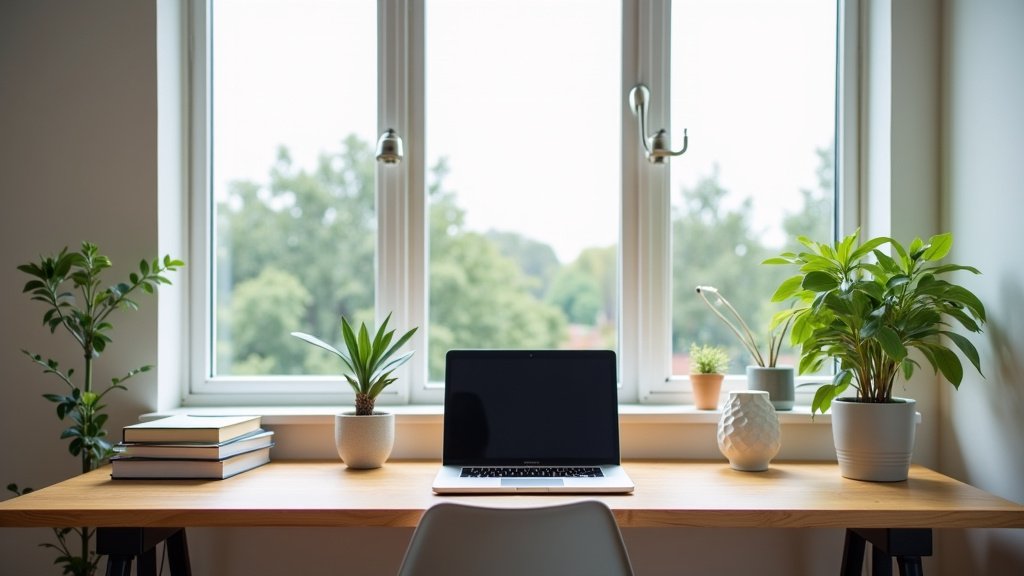
Arranging a small home office is all about smart choices and a little creativity. We’ve shown you how to prioritize essentials, pick multi-functional furniture, and make the most of every wall. Remember, even a compact area can become a highly efficient and inspiring workspace. For a more polished finish, see these ideas for a professional small home office.
Your comfort and productivity are paramount. By consistently applying these strategies, you can maintain an organized space that works for you. Take these tips, revisit your space, and start making those clever adjustments today. You’ll be amazed at the transformation!
Frequently Asked Questions
How can I make my small office feel less claustrophobic?
To make your small office feel more open, use light colors on walls and furniture. Incorporate mirrors to reflect light and create an illusion of depth. Keep clutter to an absolute minimum to avoid a crowded feeling.
What’s the best lighting setup for a small home office?
We found that a combination of natural light and adjustable task lighting works best. Position your desk near a window if possible. Add a good desk lamp to illuminate your workspace directly, reducing eye strain.
Can a small office still be personalized?
Absolutely! Personalization is key to an inspiring space. Use wall shelves for small plants, photos, or meaningful art. Choose office supplies in colors you love. Just remember to keep decor minimal to avoid visual clutter.
What kind of desk is best for a tiny space?
For tiny spaces, consider a floating desk, a wall-mounted desk that folds up, or a narrow console desk. These options take up minimal floor space. Look for built-in storage to keep your desktop clear.
How do I organize papers and files in a small office?
Utilize vertical file holders on shelves or wall-mounted pockets. Go paperless whenever possible. For physical documents, use a small, compact filing cabinet that can fit under your desk or a mobile cart on wheels.