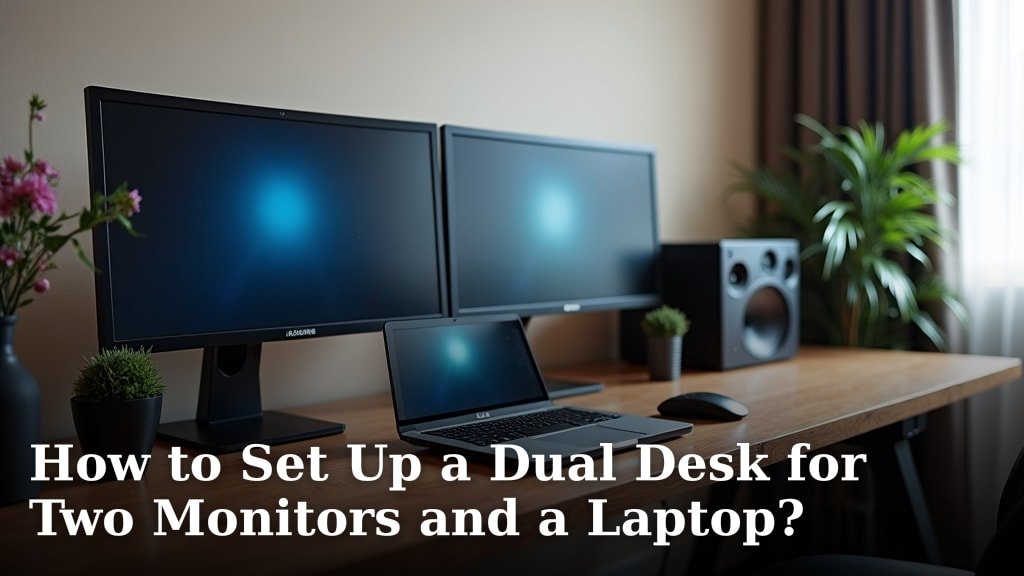
How to Position a Desk in a Bedroom: 5 Ideas
On this page (9 sections)
Position your desk in a bedroom by choosing the corner opposite your bed, placing it near a window for natural light, or using a wall-mounted fold-down desk to save space.
The key is separating your sleep and work zones while maximizing natural light and minimizing distractions from your relaxation area.
Why Desk Placement Matters in Your Bedroom
Your bedroom serves double duty now. It’s your sleep sanctuary and your workspace. Getting the desk position right affects both your productivity and sleep quality.
Poor desk placement can mess with your sleep patterns. When you see work materials from your bed, your brain stays in work mode. That’s not what you want at bedtime.
The Psychology Behind Bedroom Workspaces
Research from the Sleep Foundation shows that bedroom environments directly impact sleep quality. Your brain creates associations with spaces. If you work where you sleep, those lines get blurry.
Smart positioning helps create mental boundaries. Even in a small space, you can trick your brain into seeing distinct zones.
Idea 1: The Corner Strategy
Place your desk in the corner farthest from your bed. This creates the maximum physical and visual separation possible.
Benefits of Corner Positioning
- Uses otherwise wasted corner space
- Keeps work materials out of your direct line of sight from bed
- Creates a dedicated work zone
- Allows for wall-mounted storage above the desk
Best Corner Setup Tips
Choose the corner that gets natural light but won’t face your bed directly. If both corners get equal light, pick the one near an outlet to avoid extension cords.
Add a small area rug under your desk chair. This visual trick helps define the workspace as separate from your bedroom.
Corner Desk Size Considerations
Measure your corner before buying furniture. Most bedrooms can fit a 36-42 inch corner desk without crowding the walking space.
L-shaped desks work great in corners. They give you more surface area without sticking out into the room.
Idea 2: Window-Side Workspace
Position your desk perpendicular to a window. You get natural light without glare on your screen.
Natural Light Benefits
Natural light boosts mood and productivity. Studies from the American Academy of Sleep Medicine show that daylight exposure helps regulate your sleep-wake cycle.
Morning light at your desk can actually help you sleep better at night. Your body’s internal clock stays on track.
Avoiding Screen Glare
Don’t face your monitor directly toward or away from the window. Side lighting works best. You get the benefits without the glare headaches.
Window Desk Layout Options
Try these window arrangements:
- Desk parallel to wall, monitor perpendicular to window
- Small writing desk directly under window for paperwork
- Floating desk shelf along window wall
Window Privacy Solutions
Add adjustable blinds or curtains. You can control light levels throughout the day. Top-down, bottom-up shades work great for desk areas.
Idea 3: Wall-Mounted Fold-Down Desks
Install a fold-down desk that disappears when you’re not working. This is perfect for tiny bedrooms.
Space-Saving Advantages
Wall-mounted desks free up floor space completely. When folded up, your bedroom looks like a bedroom again. No work clutter in sight.
Installation Requirements
You need to hit wall studs for proper support. Most fold-down desks handle 50-75 pounds when installed correctly.
Mount the desk at 28-30 inches from the floor. This standard height works for most people with adjustable chairs.
Choosing the Right Wall Location
Pick a wall that won’t interfere with your bed or dresser. The wall opposite your bed works well if it has good lighting.
Make sure you have at least 3 feet of space in front of the mounted desk for your chair.
| Desk Type | Space Needed | Weight Capacity | Best For |
|---|---|---|---|
| Fold-down wall desk | 36″ x 24″ | 50-75 lbs | Small bedrooms |
| Corner desk | 48″ x 48″ | 100+ lbs | Permanent setup |
| Window desk | 60″ x 24″ | 75-100 lbs | Natural light lovers |
Idea 4: Behind-the-Bed Positioning
Place a narrow console desk behind your bed’s headboard. This works in larger bedrooms with space to walk around the bed.
Console Desk Benefits
This setup keeps work completely out of your sight lines when lying in bed. It’s like having a separate office area.
Height Considerations
Keep the desk height below your headboard if possible. This maintains clean visual lines in your bedroom design.
Access and Flow
You need at least 30 inches between your bed and the desk for comfortable movement. Don’t squeeze this space or you’ll bump into things daily.
Storage Solutions
Use the space under a behind-bed desk for storage baskets. Keep work supplies organized and hidden.
Idea 5: Dual-Purpose Furniture Approach
Choose furniture that serves multiple functions. A dresser with a desk top or a bed frame with built-in workspace saves space.
Dresser-Desk Combinations
Some dressers come with removable or flip-up desk surfaces. You get clothing storage and workspace in one piece.
Height Adjustments
Most dresser-desks sit higher than standard desk height. You might need a taller chair or adjustable stool.
Bed Frames with Built-in Desks
Loft beds put your workspace underneath your sleeping area. This works great for teens and young adults in small rooms.
Safety and Stability
Check weight ratings carefully. Adult loft beds need stronger construction than kids’ versions.
Lighting Your Bedroom Workspace
Good lighting prevents eye strain and creates ambiance. You need task lighting for work and ambient lighting for the bedroom.
Task Lighting Options
- Adjustable desk lamps
- Under-cabinet LED strips
- Swing-arm wall sconces
- Clip-on monitor lights
Color Temperature Choices
Use cooler light (4000-5000K) for focused work. Switch to warmer light (2700-3000K) in the evening to prep for sleep.
Managing Cables and Clutter
Keep your bedroom workspace clean and organized. Visible clutter affects both work focus and sleep quality.
Cable Management Solutions
Use cord organizers, cable clips, and under-desk trays. Hidden cables make any workspace look more professional.
Daily Cleanup Routine
Spend 5 minutes each evening clearing your desk. This ritual helps transition from work mode to sleep mode.
Conclusion
Positioning your desk thoughtfully in your bedroom creates better work-life balance. Whether you choose a corner setup, window placement, fold-down solution, behind-bed arrangement, or dual-purpose furniture, the key is separating sleep and work zones.
Remember that good lighting, cable management, and daily organization habits matter just as much as desk placement. Start with one of these five positioning ideas and adjust based on your room’s layout and your personal workflow needs.
Where should I avoid placing my desk in a bedroom?
Avoid placing your desk directly across from your bed where you can see it while lying down. Also skip areas with poor lighting, near heating vents that create noise, or blocking access to closets or bathrooms.
How much space do I need around a bedroom desk?
Leave at least 30 inches behind your chair for comfortable movement and 24 inches on either side if possible. This prevents the workspace from feeling cramped and maintains good traffic flow.
Can working in my bedroom affect my sleep quality?
Yes, research shows that working where you sleep can disrupt sleep patterns. Your brain associates the bedroom with work stress instead of rest. Proper desk positioning and daily cleanup routines help minimize this effect.
What desk size works best in most bedrooms?
A desk measuring 48 inches wide by 24 inches deep fits most bedrooms without overwhelming the space. Corner desks can be larger since they use otherwise unused space efficiently.
Should my bedroom desk face toward or away from the door?
Position your desk so you can see the door while working. For more placement ideas, see this home office feng shui guide. This creates a sense of security and control. If that’s not possible due to layout constraints, add a small mirror to keep the entrance in view.