Is a Standing Desk Worth It?
On this page (3 sections)
Yes, a standing desk is worth it for many people, especially if you spend long hours sitting. They offer various health benefits and can genuinely improve your workday experience. Thinking about making the switch?
Many office workers find that incorporating a standing desk helps them feel more energetic. It’s not just about standing; it’s about adding more movement into your day. We found that the benefits go beyond just burning a few extra calories.
- Improves posture
- Boosts energy levels
- May reduce back pain
- Increases focus
Let’s dive into all the reasons why a standing desk might be the perfect addition to your workspace.
The Benefits of Integrating a Standing Desk Into Your Workspace
Is a standing desk truly beneficial for your daily grind? We explore the advantages people often report when using one. Many find these desks offer real improvements.
You’re probably wondering what all the fuss is about. Let’s break down the key reasons why so many people are making the switch. You might be surprised at the simple changes a standing desk can bring.
Combating the Sedentary Lifestyle
We all know that sitting for too long isn’t great. Modern jobs often mean hours in a chair. A standing desk helps you break up this routine.
It lets you alternate between sitting and standing throughout the day. This simple action can make a big difference. It’s about more movement, not just standing all day.
Understanding “Sitting Disease”
Have you heard of “sitting disease”? It’s a term researchers use for the health problems linked to prolonged sitting. This can include issues like heart disease and diabetes (Mayo Clinic).
A standing desk doesn’t cure these problems. But it’s a step toward a more active workday. Think of it as a tool in your wellness kit.
Physical Health Improvements
Many users report positive shifts in their physical well-being. These changes often relate to how your body feels day-to-day. You might notice fewer aches and pains.
We’ve gathered insights into the most common physical benefits. They often involve muscle and joint comfort. It’s about feeling better in your own skin.
Relief from Back and Neck Pain
Do you suffer from a stiff neck or a sore lower back after work? You’re not alone. Prolonged sitting puts stress on your spine.
Standing desks can help alleviate this pressure. When you stand, your spine aligns more naturally. Many people find their back pain lessens significantly (NIH).
Better Posture and Core Strength
Standing encourages better posture. Your body naturally wants to stand tall. This can help strengthen your core muscles over time.
You’ll find yourself less likely to slouch. This isn’t just about looking good; it’s about supporting your body. Good posture can prevent future discomfort.
Increased Calorie Expenditure
Can standing really burn more calories? Yes, it can, though not dramatically. Standing burns more calories than sitting.
It’s a small increase, but it adds up over hours. It’s not a weight-loss miracle, but every little bit helps. It contributes to your overall daily activity.
Mental and Productivity Advantages
Beyond the physical, many people report mental boosts. Feeling more alert and focused can make a big difference in your work. It impacts how you approach tasks.
These benefits often translate into a more productive day. You might find yourself more engaged. Let’s look at how your brain can benefit.
Enhanced Focus and Alertness
Ever feel a mid-afternoon slump? Sitting still can make you feel sluggish. Standing can help keep your blood flowing and your brain awake.
Many users say they feel more alert and focused. It’s like a gentle mental pick-me-up. You might find yourself concentrating better on tasks.
Boosted Energy Levels
This goes hand-in-hand with alertness. When you’re not bogged down by a sedentary posture, you often feel more energetic. It brightens your mood.
People often report less fatigue by the end of the day. This extra energy can even carry over into your personal life. Imagine having more pep for evening activities.
Improved Mood and Reduced Stress
Movement is a natural stress reliever. Standing at your desk can be a small way to incorporate more movement. It might just lift your spirits.
We found that many people feel generally happier at work. A less painful back and more energy can certainly contribute to a better mood. It can reduce feelings of being cooped up.
Comparing Standing Versus Sitting
It’s not about standing all day, every day. The key is balance and movement. Let’s compare some common scenarios.
| Activity | Estimated Calories Burned Per Hour (150 lb person) | Impact on Body |
|---|---|---|
| Sitting Statically | ~80-100 calories | Increased spinal load, reduced circulation |
| Standing Statically | ~100-120 calories | Reduced spinal load, better circulation |
| Walking Slowly | ~150-200 calories | Active movement, highly beneficial |
As you can see, standing burns a little more than sitting. But incorporating even gentle movement, like walking, has even greater benefits. It’s all about mixing it up.
Making the Switch: What to Consider
If you’re thinking about getting a standing desk, there are a few things to keep in mind. You want to set yourself up for success. It’s not just about buying the desk.
Choosing the Right Desk
There are many types of standing desks. Some are manual, others are electric. Some sit on top of your existing desk.
Consider your budget and your needs. Do you want preset heights? Do you need a large surface? Think about what features matter most to you.
Gradual Adaptation is Key
Don’t jump straight into standing all day. Your body needs to adjust. Start with short standing intervals.
Try standing for 15-30 minutes at a time. Then sit for a while. Slowly increase your standing time each week. Listen to your body and don’t push it too hard.
Essential Accessories
Certain accessories can make your standing desk experience even better. They add comfort and support. These aren’t just extras; they can be important.
- An anti-fatigue mat: This cushioning makes standing much more comfortable. It helps reduce foot and leg fatigue.
- Good shoes: Avoid high heels or flimsy shoes when standing. Support is key.
- Monitor arm: Position your monitor at eye level. This prevents neck strain.
- Keyboard and mouse: Ensure they are at a comfortable height. Your wrists should be straight.
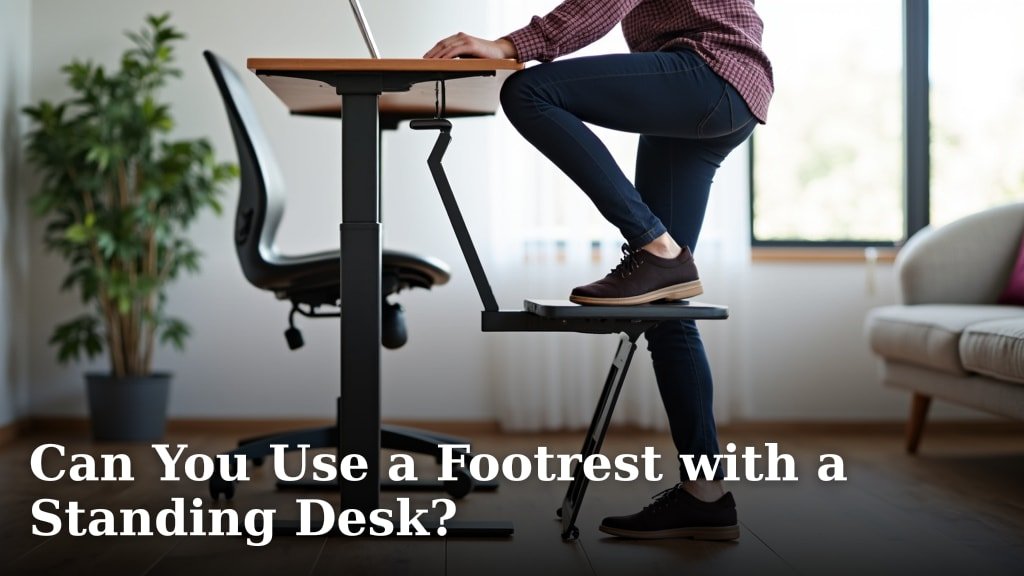
- Footrest or balance board: Allows for subtle movement and shifting weight.
Checklist for Standing Desk Success
Ready to give it a try? Here’s a quick checklist to guide you. These tips will help you maximize your standing desk experience.
- Start with short standing intervals; don’t overdo it.
- Invest in an anti-fatigue mat for comfort.
- Adjust your monitor, keyboard, and mouse to ergonomic heights.
- Alternate frequently between sitting and standing throughout the day.
- Wear comfortable, supportive shoes.
- Listen to your body and take breaks when needed.
By following these steps, you can slowly integrate a standing desk into your routine. Remember, it’s about creating a healthier and more dynamic work environment.
Conclusion
You’ve seen how a standing desk can transform your workday. It’s not just a trend; it’s a genuine step towards a healthier, more energetic you. From reducing back pain to boosting focus (NIH, Mayo Clinic), the benefits extend far beyond simply avoiding “sitting disease.” Remember, the key is mindful movement and gradual adaptation.
By balancing sitting and standing, and using the right accessories, you can create a truly dynamic workspace. Consider this an investment in your well-being and productivity. Are you ready to take a stand for your health? Find the right desk for you and start feeling the difference today.
Frequently Asked Questions
Is it better to stand or sit all day at work?
Neither is ideal. The best approach for your health is to alternate between sitting and standing throughout the day. This reduces the risks associated with prolonged static postures, whether sitting or standing.
How long should I stand at a standing desk each day?
You should start with short intervals, like 15-30 minutes of standing every hour or two. Gradually increase your standing time as your body adjusts. Listen to your body and avoid overdoing it, especially when you first start.
Can a standing desk really help with weight loss?
While standing burns slightly more calories than sitting, it’s not a significant weight-loss solution on its own. It contributes to your overall daily activity and can complement other healthy habits, but don’t expect dramatic results solely from standing.
What are the downsides or potential problems of using a standing desk?
Some people might experience foot or leg fatigue, especially when first starting out. Without proper ergonomic setup, it could also lead to shoulder or neck strain. Using an anti-fatigue mat and proper posture helps prevent these issues.
Do I need an anti-fatigue mat for my standing desk?
Yes, an anti-fatigue mat is highly recommended. It provides cushioning and support, significantly reducing discomfort in your feet, legs, and back when standing for longer periods. It makes the standing experience much more comfortable.