What Is the Best Task Chair for Herniated Disc?
On this page (3 sections)
Finding the best task chair for a herniated disc means looking for excellent lumbar support and adjustable features. If gaming is your main use, compare gaming chairs for herniated discs too. You need a chair that can reduce pressure on your spine. This will help ease your discomfort while you work.
A herniated disc can make sitting for long periods extremely painful. You can also compare office chairs for herniated discs. The right office chair is a game-changer for your comfort and productivity. We’ve researched chairs designed to offer superior back support and adjustability. This can make a real difference in your daily life.
- Lumbar support is key for herniated discs.
- Look for adjustable height, armrests, and backrest.
- A supportive seat pan prevents pressure points.
- Consider chairs with breathable materials for comfort.
Let’s walk through exactly what to look for in a task chair when you’re dealing with a herniated disc. Our guide to the best task chair for long work hours can help you find a comfortable option.
Choosing the Right Task Chair for Herniated Disc Support
When you have a herniated disc, sitting can be a real challenge. The right task chair can offer much-needed relief. It’s about finding a chair that cradles your spine. You want support exactly where you need it most. This chair isn’t just furniture; it’s a tool for your well-being.
Understanding Your Needs for Spinal Health
A herniated disc means a cushion between your vertebrae has pushed out. This can press on nerves, causing pain. Sitting puts pressure on your lower back. Your chair needs to reduce that pressure. It should encourage good posture without you even thinking about it. Think of it as a supportive friend for your back.
Your primary goal is to find a chair that minimizes stress on your spinal discs. This means looking for specific features. These features work together to keep your spine in a neutral alignment. It’s like building a strong foundation for your body while you work.
Key Features to Look For in a Task Chair
Not all chairs are created equal, especially when dealing with back pain. We’ve researched the most important features. These are the elements that can make a big difference for your comfort. Let’s break down what to prioritize.
Superior Lumbar Support is Non-Negotiable
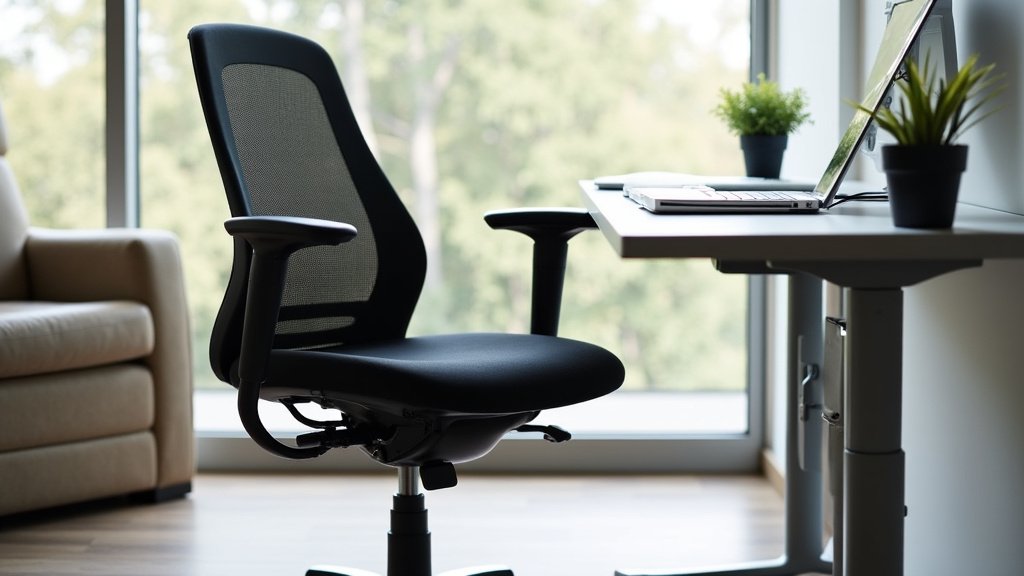
This is the most critical feature. Your chair must have adjustable lumbar support. This means the lower back curve of the chair can be moved up and down. It should also be adjustable in depth, pushing forward or backward. You need to feel gentle support in the natural inward curve of your lower spine. Many experts recommend a support that hits the “iliac crest” of your pelvis (Cleveland Clinic).
Some chairs have built-in lumbar support that is fixed. This is rarely ideal for everyone. What works for one person might not work for another. Look for chairs where you can dial in the support precisely. This allows you to target the right spot on your back.
Adjustable Seat Depth and Height
Seat depth is about how far the seat pan extends. You should be able to sit with your back against the backrest. There should still be a small gap (about two to four fingers wide) between the back of your knees and the edge of the seat. This prevents pressure on the back of your thighs. Adjustable seat height is also essential. Your feet should be flat on the floor. Your knees should be at about a 90-degree angle or slightly lower.
Getting these adjustments right means your weight is evenly distributed. It prevents your legs from cutting off circulation. It also helps maintain good posture. This keeps your spine in a healthy alignment throughout the day.
Adjustable Armrests for Shoulder and Neck Relief
While the back is primary, your arms need support too. Adjustable armrests can help. You should be able to adjust their height and width. Your shoulders should be relaxed, not hunched up. Your elbows should rest comfortably at about a 90-degree angle when your arms are on them.
When armrests are set correctly, they take some of the load off your neck and shoulders. This is important because tension can travel. Unrelieved tension in your upper body can sometimes make lower back pain feel worse. Proper armrest height can prevent upper body strain.
Recline and Tilt Functionality
The ability to recline or tilt can be a lifesaver. Even a slight recline can take pressure off your lumbar discs. Look for chairs with a good range of motion. A synchronous tilt mechanism is often recommended. This means the backrest and seat tilt together at a natural ratio. This helps you maintain good posture even when reclining.
Some chairs offer a simple tilt where only the backrest moves. While better than nothing, it might not always provide the best spinal alignment. A well-designed tilt can encourage movement. This is beneficial for circulation and disc health.
Seat Material and Cushioning
The seat cushion needs to be supportive but not too hard. You want something that provides comfort without letting you sink in too much. Memory foam or high-density foam can be good options. Breathable mesh is also popular. It keeps you cool and prevents moisture buildup. This is especially nice during long work sessions.
Avoid seats that are too firm. They can create pressure points. Also, steer clear of seats that are too soft. They might not offer enough support over time. The goal is a seat that feels like a gentle cradle for your sit bones.
Putting It All Together: A Practical Checklist
Choosing the right chair can feel overwhelming. We’ve put together a quick checklist. Use this to guide your decision-making process. Think of it as your secret weapon for finding that perfect fit.
- Does it have adjustable lumbar support (height and depth)?
- Can you adjust the seat height so your feet are flat?
- Is the seat depth adjustable to support your thighs without pressure?
- Are the armrests adjustable in height and width?
- Does it offer a comfortable seat cushion that isn’t too hard or soft?
- Can you recline or tilt to change your posture?
Considering Different Chair Styles and Brands
Many brands offer chairs with excellent features. Some are designed with ergonomic principles at their core. You might see terms like “orthopedic” or “posture-correcting.” While these sound good, always look at the specific features. A chair with good adjustability is often better than one with a fancy label.
We found that chairs with a wide range of adjustments tend to perform best. This allows you to customize the fit for your unique body. Don’t be afraid to test chairs if possible. Sit in them for a few minutes. See how they feel against your back and legs. It’s an investment in your health.
When to Seek Professional Advice
If your pain is severe or persistent, it’s always best to consult a healthcare professional. A doctor or physical therapist can give you personalized advice. They might recommend specific chair features based on your condition. They can also suggest exercises or stretches. Sometimes, a specialist can even recommend ergonomic assessments.
Remember, a task chair is a tool to help manage your herniated disc pain. It should complement other treatment strategies. It’s part of a larger plan to improve your comfort and function.
Conclusion
You’ve learned that the best task chair for a herniated disc centers on You can find the best task chair for home office use with our detailed guide.excellent adjustability. Prioritize chairs with superior lumbar support that you can fine-tune. Ensure seat depth and height adjustments are also available. Don’t forget adjustable armrests for overall comfort. These features work together to reduce pressure on your spine. Make an informed choice to improve your daily comfort. Your next step is to use our checklist to find a chair that fits your unique needs.
Frequently Asked Questions
How much should I spend on a task chair for a herniated disc?
You can find effective chairs across various price points. We’ve found that investing a bit more often means better adjustability and durability. Aim for a chair that offers the key features we discussed. It’s an investment in your daily comfort and spinal health.
Can a task chair really help with herniated disc pain?
Yes, a well-chosen task chair can significantly help manage herniated disc pain. By providing proper support and encouraging good posture, it reduces pressure on your spine. This can lead to less discomfort during long periods of sitting.
What if a chair’s lumbar support doesn’t feel right?
This is why adjustability is so important. If a chair’s built-in support isn’t hitting the right spot, look for chairs where you can adjust the depth and height of the lumbar support. Some chairs also have add-on lumbar pillows that can help.
Are mesh chairs good for herniated discs?
Mesh chairs can be a great option. Compare mesh chairs for herniated discs that provide adjustable lumbar support. Many offer excellent breathability, keeping you cool and comfortable. Look for mesh chairs that still provide robust and adjustable lumbar support. The key is the support system, not just the material.
Should I get a chair with a headrest for my herniated disc?
A headrest isn’t usually the primary concern for herniated discs, which primarily affect the lower back. However, if you experience neck pain or want upper body support, an adjustable headrest can be a nice addition. Focus first on lumbar and seat support.